Integrated multi-stressor observations, modelling and experiments to inform management in the Northern California Current
Why we care
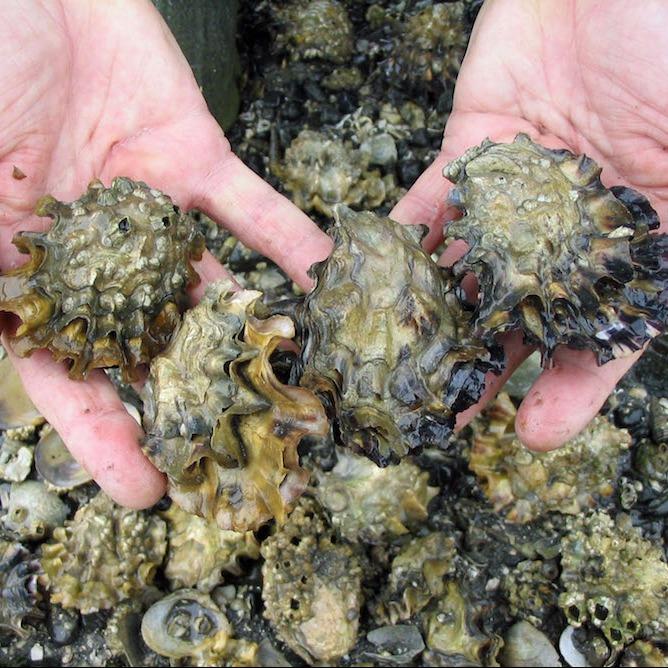
When ocean conditions shift, coastal livelihoods, food sources, and traditions can shift with them. Dungeness crab provide income, food, and cultural value for fishing and Tribal communities across the U.S. West Coast. But ocean acidification makes seawater more corrosive and can make it harder for young crabs and shellfish to build strong shells. Low oxygen, marine heatwaves, and harmful algae can add even more stress. These conditions have already harmed Dungeness crabs, delayed fishing seasons, and affected oyster hatcheries that support an industry worth more than $100 million each year. This project brings together the best available information to develop tools for managers and fishermen.
What we are doing
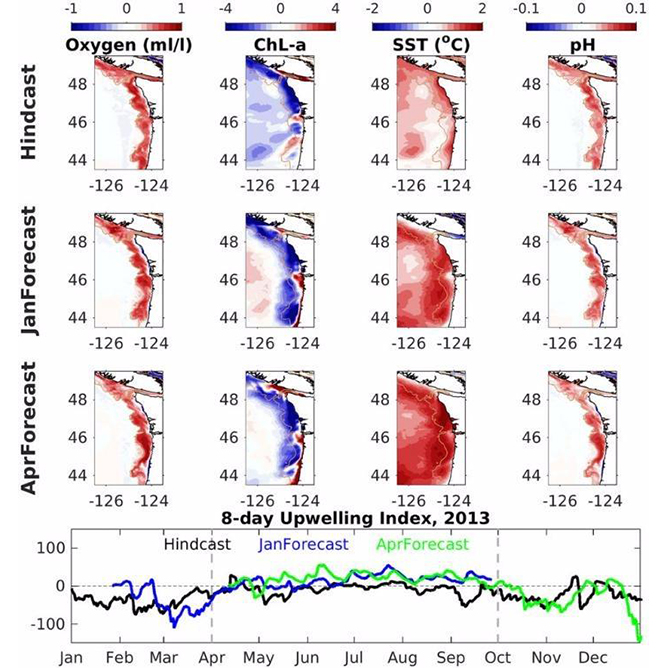
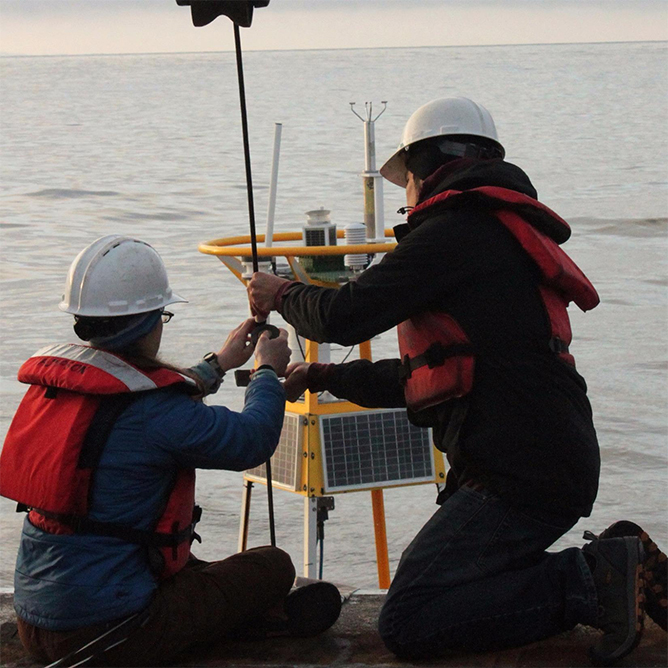
The team is combining several approaches to understand how changing ocean conditions affect Dungeness crabs and krill. Krill form the foundation of marine food webs, transferring energy from microscopic algae to whales, fish, seabirds, and other predators. Researchers will bring together ocean data collected from ships, buoys, moorings, and underwater gliders to map where ocean acidification, low oxygen, warmer water, and harmful algae occur. They will use computer models to explore how these conditions may change through 2100, then recreate realistic ocean conditions in laboratory tanks to measure effects on crab and krill growth, survival, shell health, and development. The team will also compare the laboratory results with animals collected in the ocean. They will map where suitable habitats may shrink or move, and use computer simulations to test which fishing rules could best protect the crab fishery under future conditions.
Benefits of our work
This project will help turn ocean research into useful maps, forecasts, and planning tools. These resources can help managers and fishing communities prepare for changing ocean conditions, reduce the risk of unexpected fishing closures, and make better decisions about when and where fishing can take place. The work can help protect fishing jobs, seafood businesses, Tribal food sources and cultural traditions while supporting coastal communities that may have few other sources of income when the fishery is disrupted.
This work is jointly funded by the NOAA Ocean Acidification Program (OAP), NOAA National Ocean Service and NOAA National Centers for Coastal Ocean Science.
Resources
Integrated Multi-Stressor Observations, Modeling, and Experiments To Inform Management in the Northern California Current
The Northwest Association of Networked Ocean Observing System (NANOOS)
Ocean Acidification Case Study: Dungeness Crab
OSU: The sounds of science: Acoustic tags reveal the journey of Dungeness Crabs
Video: Dungeness Crabs in Changing Waters: Research on Ocean Acidification
Investigators
Francis Chan, Oregon State University
Richard A. Feely, NOAA Pacific Marine Environmental Laboratory (PMEL)
Simone Alin, NOAA Pacific Marine Environmental Laboratory (PMEL)
John A. Barth, Oregon State University
Nina Bednaršek, Oregon State University
Brendan Carter, Cooperative Institute for Climate, Ocean and Ecosystem Studies (CICOES), PMEL
Samantha Chisholm Hatfield, Oregon State University
Robert Cowen, Oregon State University
Christopher Free, University of California Santa Barbara
Maria Kavanaugh, Oregon State University
Jan Newton, University of Washington
Kiva Oken, Northwest Fishery Science Center (NWFSC)
Kate Richerson, Northwest Fishery Science Center (NWFSC)
Moritz Schmid, Oregon State University
Samantha Siedlecki, University of Connecticut
Su Sponaugle,Oregon State University
Vera Trainer, National Centers for Coastal Ocean Science (NCCOS)
Jenny Waddell, Olympic Coast National Marine Sanctuary (OCNMS)
Advisory Committee
Dan Ayres, Washington State
Julie Ann Koehlinger, Hoh Tribe
Caren Braby, Marine Resources Program
The Northwest Indian Fisheries Commission (NWIFC)
Tribal Marine Stewards Network (TMSN)
Quinault Nation
Quileute Indian Tribe