Development of ocean acidification “pHyter” – plankton monitoring tools & curriculum
Why we care
Putting ocean science in the hands of communities turns knowledge into action. Ocean acidification can affect marine life, fisheries, food webs, and coastal communities, but monitoring it often requires tools that are expensive or difficult to use. Making those tools more accessible helps students, teachers, and community members participate in real science and better understand changes happening in their local waters.
What we will do
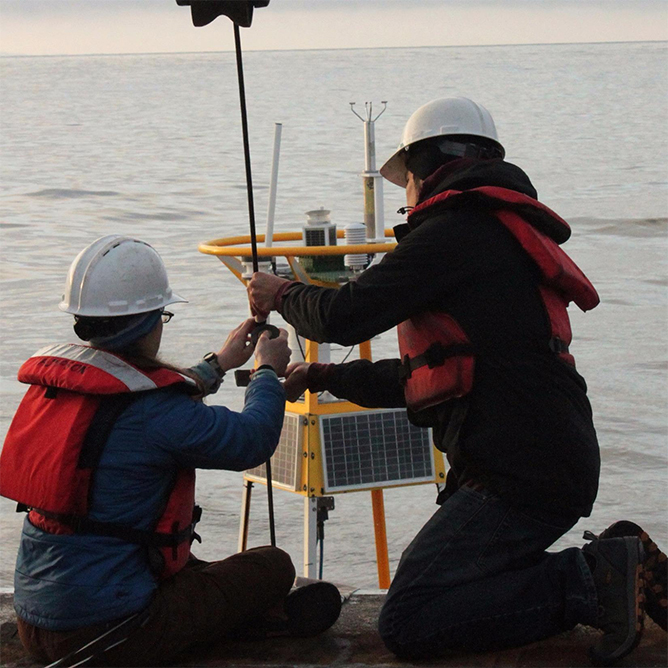
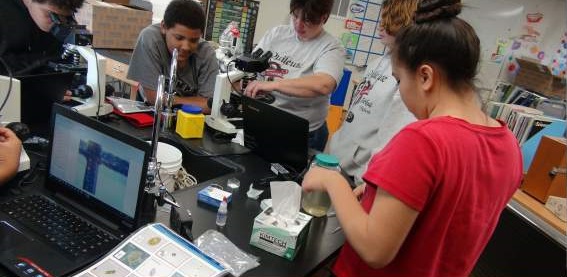
This project tests a portable pH-monitoring tool called pHyter and develops an ocean acidification and plankton-monitoring curriculum for students, teachers, and community volunteers. Participants learns to collect and interpret real environmental data, including pH, temperature, salinity, dissolved oxygen, turbidity, plankton, and microplastics. The project also trains educators and explored ways to share monitoring data through online scientific databases.
Benefits of our work
The project gives students and communities a hands-on role in understanding and protecting their local marine environment. Participants build science skills, environmental awareness, and confidence while contributing information that can support researchers and resource managers. Training teachers also helps extend the impact by allowing future students to take part in similar monitoring and stewardship activities.
Results and impact
The pilot directly reached about 171 educators, students, and community volunteers. Participating schools near Olympic Coast National Marine Sanctuary. In Monterey Bay, 85 people across six monitoring sites were trained, and more than 40 Cabrillo College students participated in weekly monitoring. Quileute Tribal School students also trained others, shared their work at public events, and were selected as national Get Dirty! Ambassadors. The project also provided valuable feedback to improve the pHyter tool for future community science and education use.
Co-lead investigator
Amity Wood, NOAA National Ocean Service, Office of National Marine Sanctuaries, Olympic Coast National Marine Sanctuary