OA on the Way: A mobile-compatible ocean acidification lab and tutorial for VirtualUrchin
Why we care
Science education should evolve as quickly as the technology students use to access it. Digital ocean acidification resources can reach students almost anywhere, but they must remain current, accessible, engaging, and connected to actions students can take in their own communities.
What we will do
The team will modernize the online Our Acidifying Ocean activity by converting it to new generation so that it can work across computers, phones, and tablets. The project also updates ocean acidification data through 2020, improved the design and usability of the activity, added deeper-learning resources, and created an entirely new student action section.
Benefits of our work
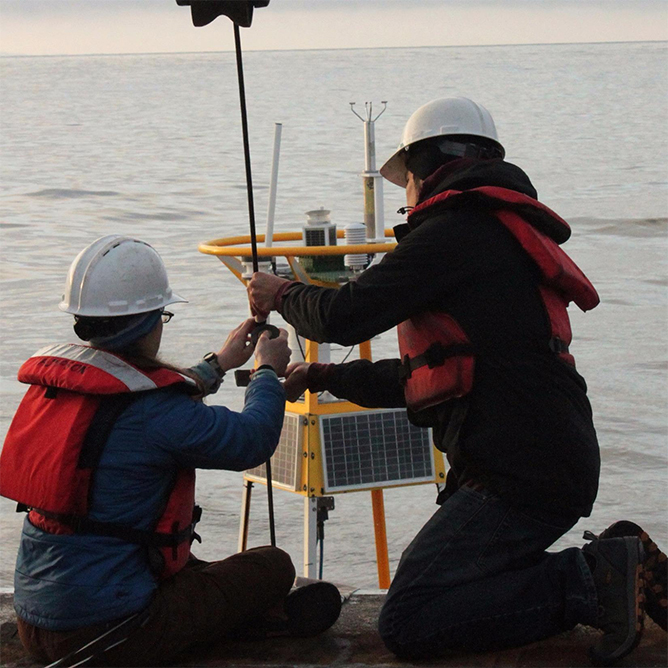
Making the activity mobile-friendly and freely accessible gives more students and teachers access to high-quality ocean acidification education regardless of the device they use. The new action component also helps students see ocean acidification not simply as a distant global problem, but as an issue connected to watersheds, communities, and choices closer to home. Teachers also received pH sensors that can support future field investigations, allowing students to connect digital learning with real environmental measurements.
Results and impact
The updated activity was tested by teachers and students at schools in Washington State and Costa Rica. Feedback from both students and educators was used to make further improvements to the site, including clearer explanations, better mobile display, additional teaching resources, and stronger connections between ocean chemistry and marine organisms. The project successfully kept the educational resource available through the end of Flash technology while transforming it into a more accessible and action-oriented learning experience.
Co-lead investigator
Megan Dethier, University of Washington