Tracking ocean acidification in Puerto Rico: a video journey
Why we care
People are more likely to act on ocean change when the science speaks their language and connects to their lives. Ocean acidification can affect Puerto Rico’s marine ecosystems and the communities that depend on them, but scientific information is not always accessible to the broader public. Clear, locally relevant information can help people understand what is happening and how they can help reduce other pressures on marine life.
What we will do
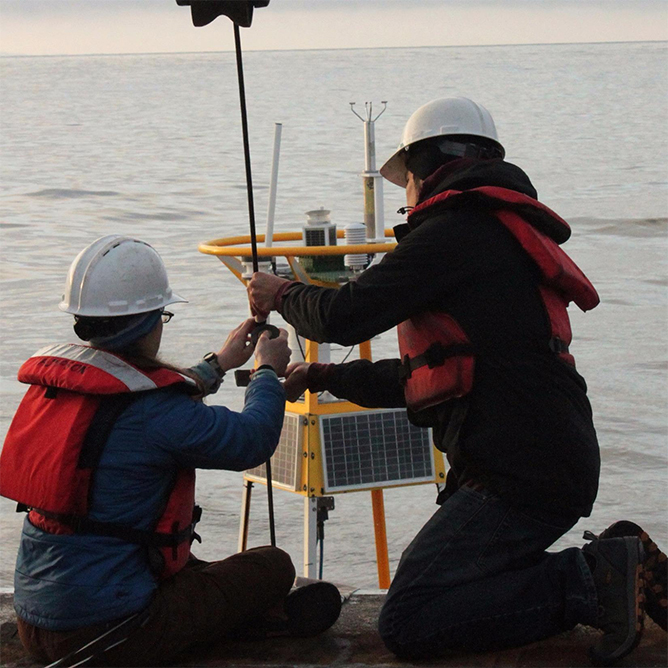
This project creates a high-quality Spanish-language educational video with English subtitles about ocean acidification for the general public in Puerto Rico. The video combines scientific explanations with local footage, researchers working in La Parguera, monitoring activities, and the perspective of a local tour operator. It also showes practical ways community members can reduce other stressors on marine ecosystems, track their carbon footprint, and reduce emissions.
Benefits of our work
By communicating ocean acidification in Spanish and using familiar places and people, the project makes the science more accessible and relevant to Puerto Rican communities. It helps people understand how ocean change relates to their own lives and gives them practical ways to participate in protecting marine resources. The video can also continue to be used by educators, community organizations, and environmental programs as an outreach tool.
Results and impact
The video premiered during a NOAA Caribbean community webinar with 178 participants from federal agencies, NGOs, community organizations, universities, Puerto Rico, the U.S. Virgin Islands, and other Caribbean countries. It also received 224 views on its first day online and was shared with organizations including the Puerto Rico Climate Change Council and Puerto Rico Sea Grant.
Co-lead investigator
Melissa Melendez, University of New Hampshire