Developing a citizen science program for building understanding about the relationship between ocean acidification and oyster ecology
Why we care
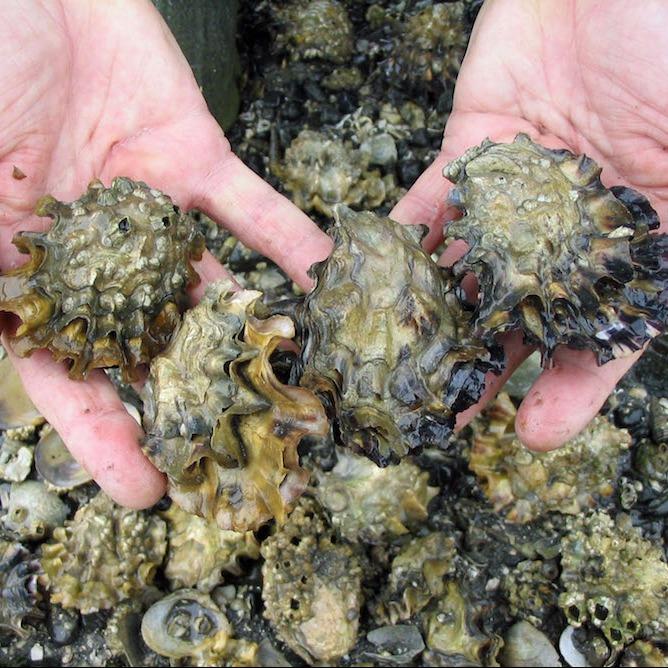
When students investigate changes in their own backyard, science becomes real. Ocean acidification and changing water quality can affect oysters, an important part of the Chesapeake Bay ecosystem, economy, and culture. Giving students the opportunity to study these changes themselves helps build both scientific understanding and a stronger connection to the Bay.
What we will do
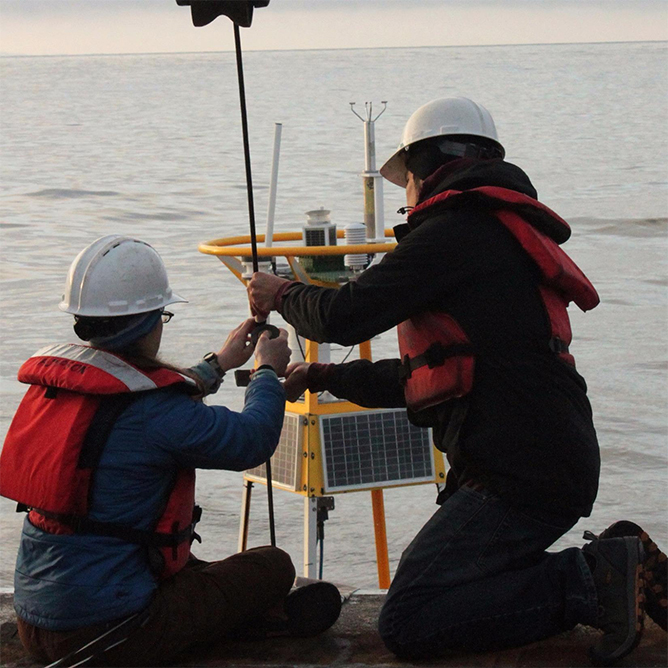
The CSI Oysters project brings high school students and teachers in Virginia and Maryland into hands-on research on water quality, ocean acidification, and oyster growth. Students collect measurements such as temperature, salinity, dissolved oxygen, and pH, collects water samples for laboratory analysis, and monitors oyster survival and growth at sites around the Chesapeake Bay. Scientists also visits schools and field sites to help students understand how their observations relate to broader environmental issues.
Benefits of our work
The project gives students experience doing real environmental research rather than only learning about it in the classroom. Students develop skills in data collection, quantitative analysis, critical thinking, communication, and teamwork while learning why oysters and healthy water quality matter to Chesapeake Bay communities.
Results and impact
The project reached approximately 100 students and two teachers. Teachers reports that the project provided students with a meaningful, locally relevant research experience and led them to include more climate change, ocean acidification, and hands-on research in their teaching. Student surveys also showed greater understanding of the benefits oysters provide to the ecosystem, the water-quality conditions oysters need, and the human activities contributing to ocean acidification.
Co-lead investigator
Emily Rivest, Virginia Institute of Marine Science