Celebrating 15 Years of NOAA's Ocean Acidification Program
Marine life on the line
A school of Hawaiian dascyllus hover above a coral head off of Maui. Image Credit: Rebecca Weible, NOAA Fisheries
After building a clear map of ocean chemistry, our next step was demonstrating how changing ocean chemistry affects marine species, their ability to adapt, and the ecosystems they support. From early lab experiments to modern genetic research on wild-caught scallops, OAP has advanced 15 years of unraveling how corrosive waters affect the seafood on our plates and reefs that protect our shores.
Highlights
- Securing vital fisheries: From foundational research to advanced genetic and omics, our research assesses sensitivity, capacity to species to adapt, and strategies for resilience of vital commercial and subsistence species.
- Safeguarding seafood and public health: OAP and partners assess how ocean acidification influences or accelerates harmful algal blooms (HABs) to protect human health, regional fisheries, and coastal economies.
- Protecting ocean food webs: Research of the response of foundational species like plankton and krill helps us understand potential impacts of ocean acidification on the food webs supporting valuable marine resources and ecosystems.
Supporting the foundation of ocean food webs
Scientists begin at the foundation of our food webs and ecosystems, using traditional sampling, genetic indicators, and environmental DNA to study how ocean acidification affects microbes and plankton. This research has revealed that many important marine species – like pteropods (sea butterflies, the ocean’s superfood), krill, and some microbes – are highly sensitive to acidification. Their sensitivity may threaten food webs and biological carbon pump that support our ocean.
More case studies
Background Image:
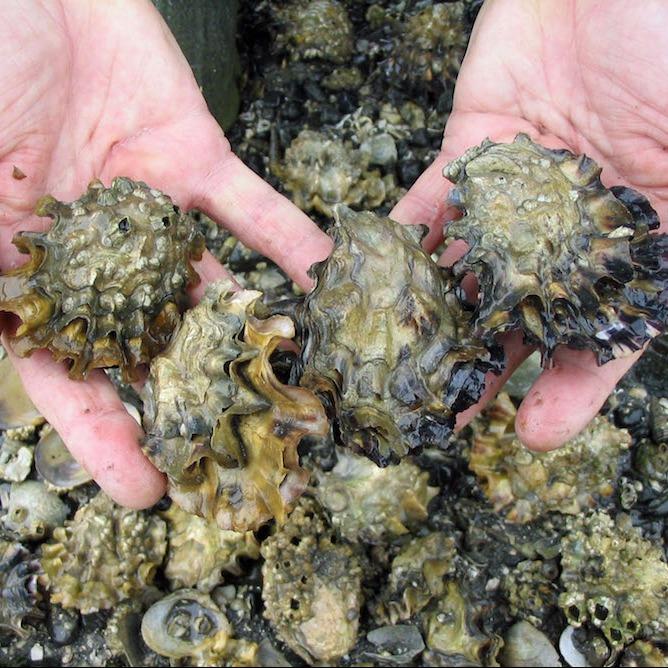
Pile of oysters (NOAA Sea Grant)
Securing our fisheries
NOAA’s priority of understanding ocean acidification goes beyond research; it underpins the essential aim of securing our natural resources that support our fisheries, economies, and ways of life. Understanding which species are most vulnerable and those with natural resilience provides the insights needed to adapt to ocean acidification.
OAP efforts advanced the following key economic drivers related to fisheries:
Adapting to environmental shifts
Looking beyond a hatchery or cultivated oysters, many species encounter acidification and other stressors in the wild. As their environment continues to change, some species that can adapt will be “winners” whereas others “losers” in the future. Research using omics provides powerful tools to assess the capacity to adapt to ocean change.
Identifying natural refuges
Research suggests that seagrasses have the capacity to mitigate ocean acidification by creating locally-buffered environments. They may serve as a potential place and nature-based solution to mitigate the harmful effects of ocean and coastal acidification on Eastern oysters, other shellfish and fish.
Understanding diverse sensitivities
Our research also distinguishes between sensitive and resilient species to support smarter management strategies. Research sheds light on critical risks to survival, shell formation, and life processes, giving industry and resource managers the knowledge needed to protect our natural resources.
- Scallop fishermen and researchers tackle ocean acidification together
- Understanding the effects of OA on Dungeness crab – larvae can be sensitive with some shell effects with adults
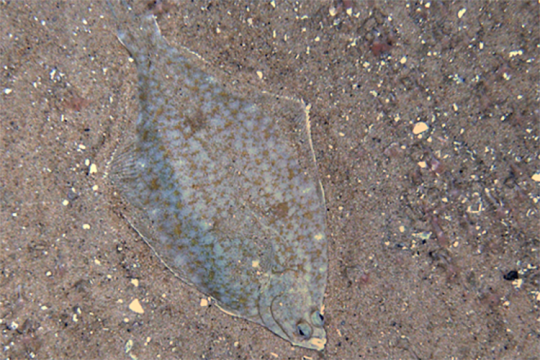
- Spatial and seasonal differences in the response to OA by flounder
- First ever wild stock decline in red king crab linked to acidification
- Alaskan pollock and other fish show signs of resilience to OA
Harmful algal blooms in the Gulf of America (NASA)
Seafood safety
Harmful algal blooms (HABs), caused by toxic and noxious plankton, are a recurrent and serious problem in both our ocean and freshwater. HABs occur when toxic plankton multiply rapidly, posing serious threats to human health, local fisheries, and coastal economies. Emerging research shows that acidification can accelerate harmful algal bloom growth and boost their toxicity.
Moving forward, OAP aims to continue research into species response, and also understand how ocean acidification affects ecosystems, food webs, and critical ocean processes and nutrient cycles.