Celebrating 15 Years of NOAA's Ocean Acidification Program
Forging the next 15 years
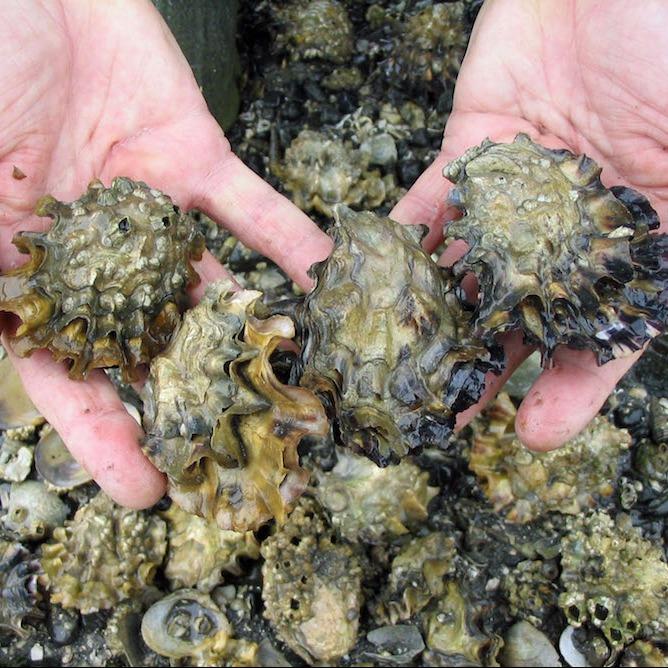
Razorclam experimental enclosures by the shoreline
Shellfish farm in Kachemak Bay
Our nation’s capacity to adapt continues as ocean acidification poses increasing challenges to coastal communities. As we look to the next 15 years, OAP is evolving beyond single-issue science to risk and ocean acidification resilience. We are tackling compounding threats, like how ocean acidification interacts with warming temperatures and low oxygen. By continuing to bridge chemistry, communities, and collaboration, we are building a resilient nation.
(NOAA)
Deliver Decision Support Tools
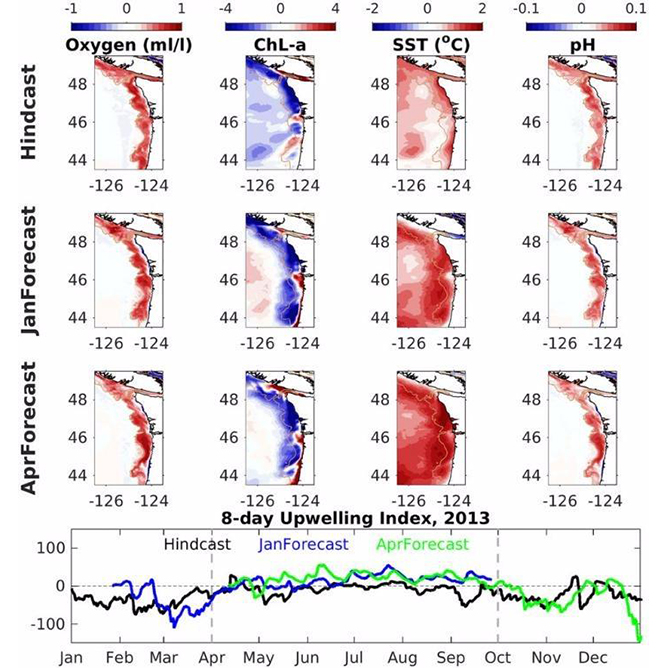
There will be an increasing availability of products and services tailored made for key interests and users from industry and management, to state and regional policymakers. These tools will provide a timely forecast of both short-term acidification events. OAP aims to operationalize models into existing NOAA forecast systems. Ocean acidification will be increasingly integrated into these developing capabilities and meaningfully contribute to the wealth of information available to users.

Background Image:
(NOAA)
Leverage technologies
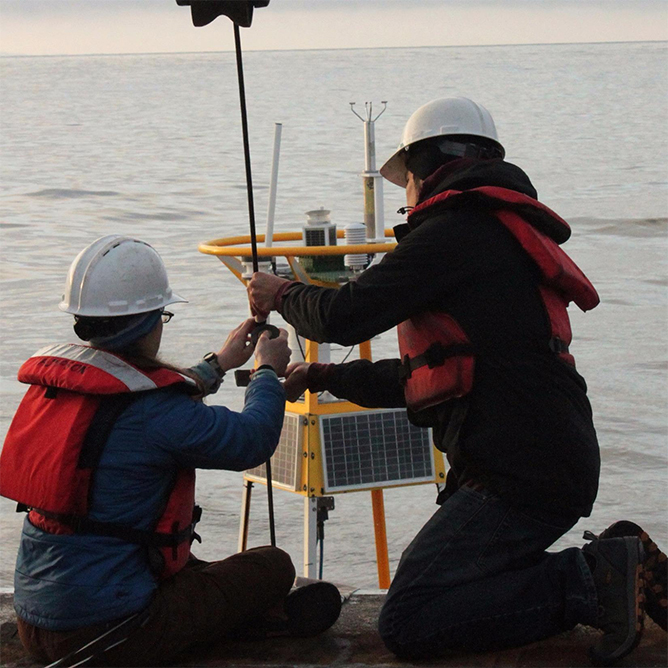
New technologies will be brought to bear including new autonomous vehicle platforms outfitted and configured to provide broader and deeper coverage of the critical habitats. To vastly improve the current network design, OAP will advance the lifecycle of development to deployment of new sensors and sensor payloads capable of fully constraining the carbonate system. This includes deployment on gliders and autonomous vehicles, and continuing with advancing cutting-edge autonomous optical sensors and low cost sensors. Additionally, the continued application of ‘omics and the use of environmental DNA will further enable our understanding of the mechanisms driving species response to OA and further our ecosystem monitoring.
OAP will not only track long-term acidification, but target and characterize local and regional events dynamically to deliver near-real-time assessments of coastal acidification events. The responsible use of AI to enhance all aspects of our portfolio shows promise for further delivering efficient and effective products and services.
Background Image:
(Adobe Stock)
OA solutions in a complex ocean
In addition to local and regional adaptive strategies related to natural resource management, there are also potential ocean acidification mitigation solutions. A new wave of marine Carbon Dioxide Removal (mCDR) technologies, already in industry testing, has the potential to mitigate ocean acidification. These strategies aim to leverage the ocean’s natural ability to safely absorb and store carbon to locally reduce acidification if strategically buffered.
Before these tools can be deployed on a massive scale, we need to determine if they are safe, effective, and economically viable. NOAA serves as the trusted evaluator, rigorously testing these methods and providing a framework and assets for industry to determine efficacy, safety, and scalability.