

OA Alliance short film: CHANGING WATERS
OA Alliance short film: CHANGING WATERS Read More »

Making sure you and your family are well-informed can help raise awareness of the complexity of the problem and can help reduce coastal acidification.
Your Family Can Help Limit Ocean and Coastal Acidification Read More »

Shipwrecks and other underwater archaeological sites are a part of our history and culture and contribute to healthy underwater ecosystems by acting as artificial reefs, providing nurseries for recreational and commercial fish stocks, and providing recreational opportunities for scuba divers. Unfortunately, these important elements of our past are at risk of vanishing. 2-pager that includes

2-pager on monitoring ocean acidification in the Mid-Atlantic region including sections on the “State of the Science” and “Monitoring Acidification.” Part of the “Planning for a Changing Ocean” project aimed to understand how a changing climate impactsour ocean and the Mid-Atlantic’s diverse marine ecosystems, coastal communities and economies.
Monitoring Acidification in the Mid-Atlantic Read More »

Infographic describing Mid-Atlantic Coastal Acidification.
What’s Driving The Changes to the Mid-Atlantic’s Coastal Chemistry? Read More »
Understand ocean acidification through game-based learning. Website includes easy to access game, source code, science standards, educator guide, and module integration. Geared toward students middle school to adults. (2023)
Dive into ocean and coastal acidification with the newly updated NOAA Data in the Classroom. Designed for grades 9-12, this 5-level module features interactive maps, graphs, videos and incorporates the latest NOAA data to reveal the science behind acidification impacts.
Data in the Classroom: Understanding Ocean and Coastal Acidification Read More »
A research-based online curriculum where students learn about acidification and its solutions and collecting and analyzing data.
Virtual Urchin: Our Acidifying Ocean Read More »
*6th Grade Curriculum includes Ocean Acidification GSSC is a K-12 environmental science program that uses shellfish as a model to teach marine science and stewardship with hands-on learning through field experience.
Garden of the Salish Sea Curriculum Read More »

An inquiry-based lesson where students investigate if ocean acidification and ocean warming affect the behavior and survival of stone crab larvae published in 2024

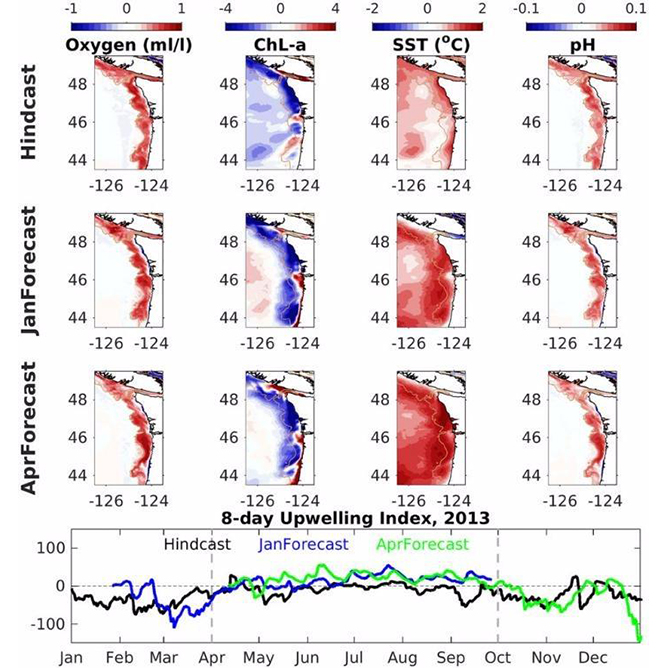
Using models and research to understand the sensitivity of organisms and ecosystems to ocean acidification to make predictions about the future, allowing communities and industries to prepare
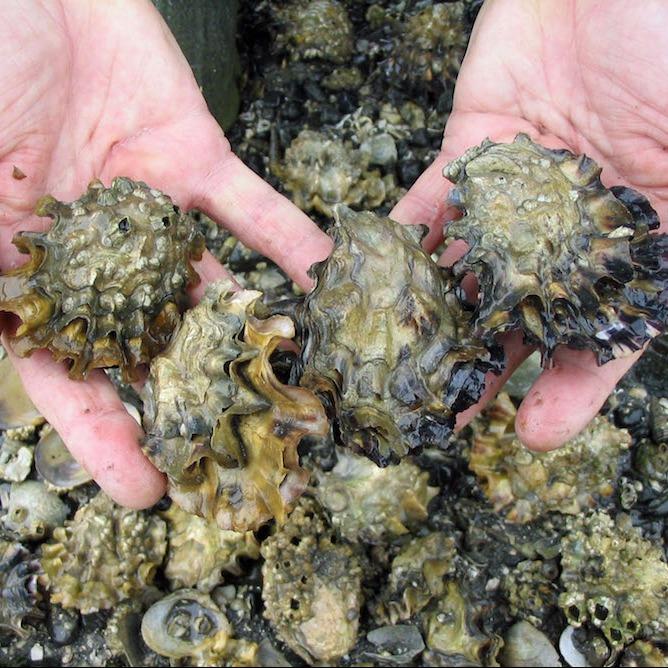
Using these models and predictions as tools to facilitate management strategies that will protect marine resources and communities from future changes
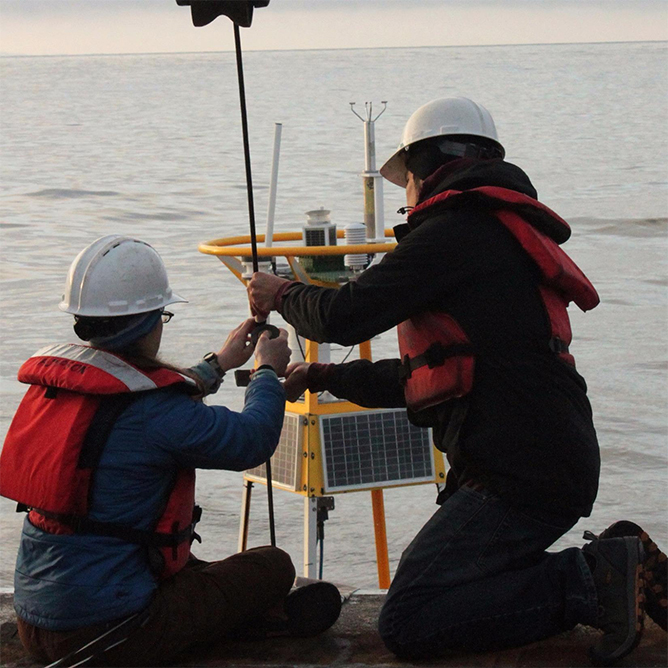
Developing innovative tools to help monitor ocean acidification and mitigate changing ocean chemistry locally