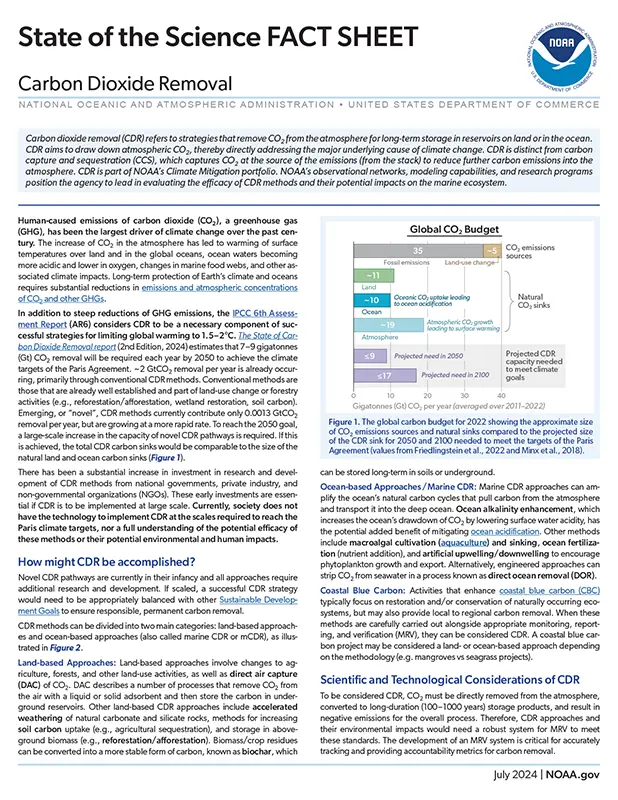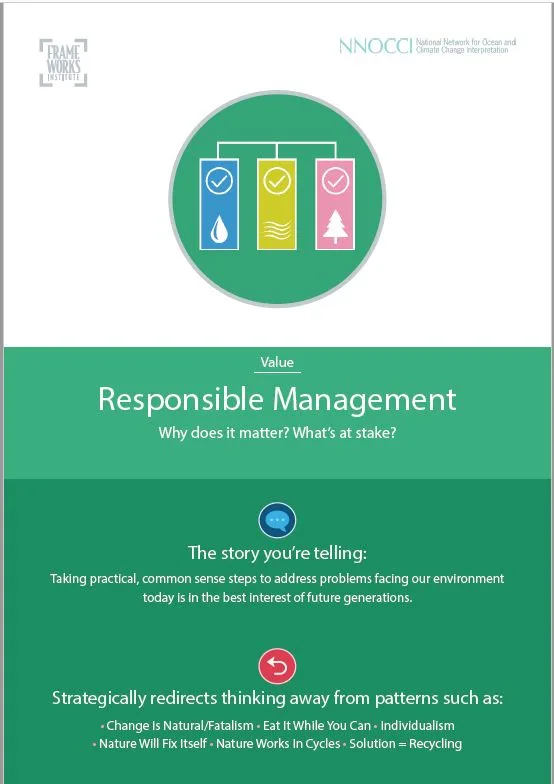
Responsible Management – Tested Value for Communications Guide
Responsible Management – Tested Value for Communications Guide Read More »
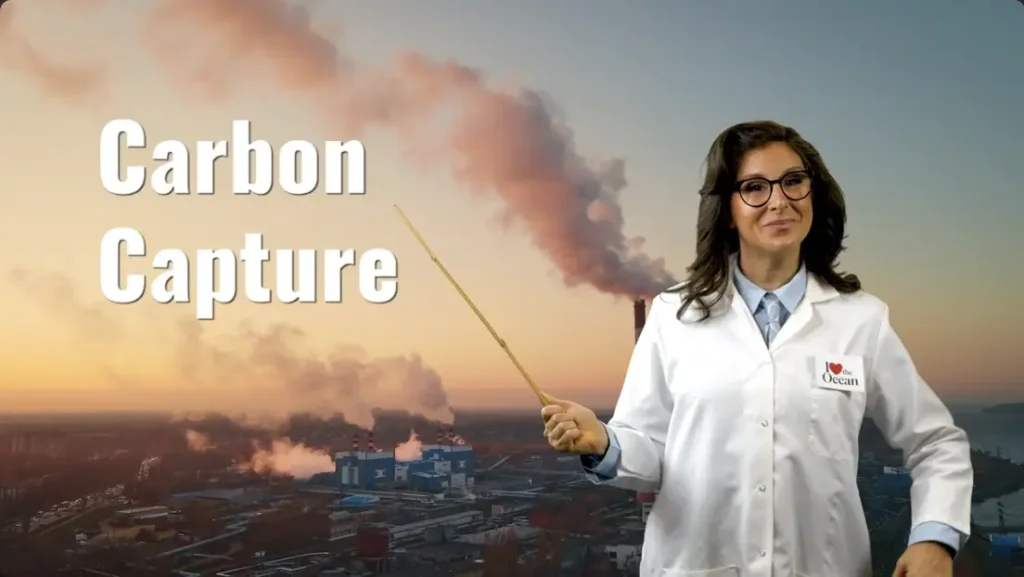
Coastal communities in the Mid-Atlantic depend on the ocean for their livelihoods. As the ocean absorbs more carbon dioxide from the atmosphere and becomes more acidic (lower pH), small changes in the food chain can ripple up to the seafood caught and sold locally. Dive in with ocean advocate Eva as she breaks down the
Coastal and Ocean Acidification Read More »
Ocean Acidification challenges/threatens the livelihoods of shellfish growers, seafood dealers, and commercial fishermen in the Mid-Atlantic. Learn firsthand from three local growers and fishermen about the impacts they’ve observed to oysters, clams, and finfish, the business challenges they’re facing, and the ways they’re adapting their hatchery operations and fishing practices in response to climate change.
Ocean Acidification: Livelihoods on the Line Read More »
In the Mid-Atlantic’s coastal waters, oysters and seagrass provide important habitat for fish and crabs. They also filter out nutrients that cause algal blooms (eutrophication). When faced with ocean acidification, do these habitat builders always lose? In this video, we explore how oysters and seagrass differ in their responses to acidification and what this means
Ocean Acidification: Oysters and Seagrass Read More »
Technological advances in acidification monitoring and ocean carbon dioxide removal can help reduce ocean acidification’s impacts to Mid-Atlantic fisheries and local economy. In this video, we explore how scientists use underwater robots (gliders) to help fishery managers identify “hotspots” of acidification. Find out how innovative carbon removal strategies like enhancing the ocean’s ability to buffer
Ocean Acidification: Monitoring and Solutions Read More »

Learn about the Enhanced Greenhouse Effect and what is causing this amplified warming. A second part in a series about understanding carbon dioxide.
Understanding CO2 – Part 2 Read More »

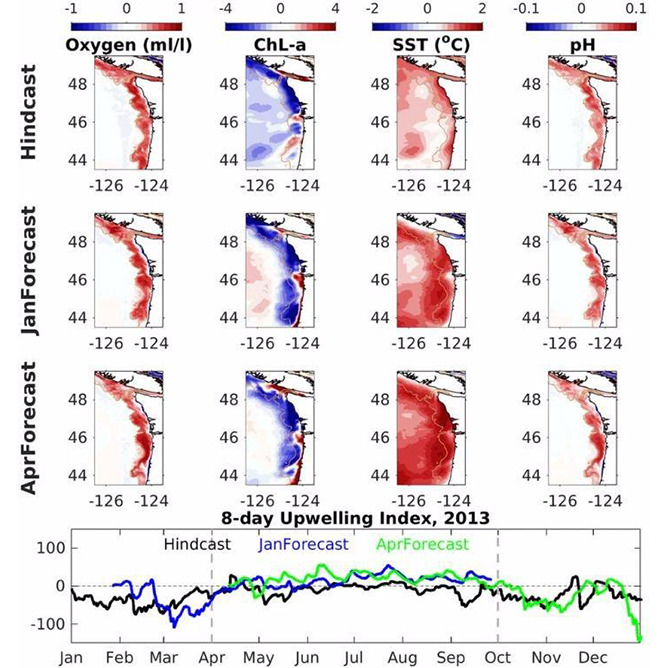
Using models and research to understand the sensitivity of organisms and ecosystems to ocean acidification to make predictions about the future, allowing communities and industries to prepare
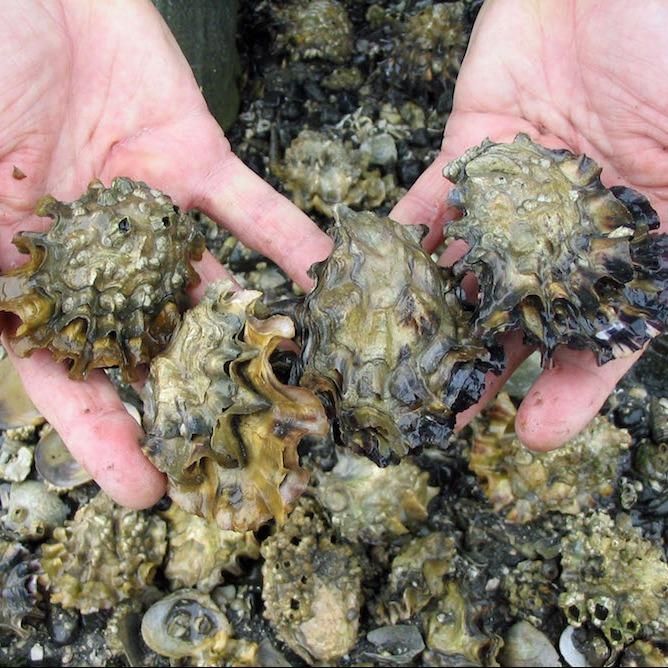
Using these models and predictions as tools to facilitate management strategies that will protect marine resources and communities from future changes
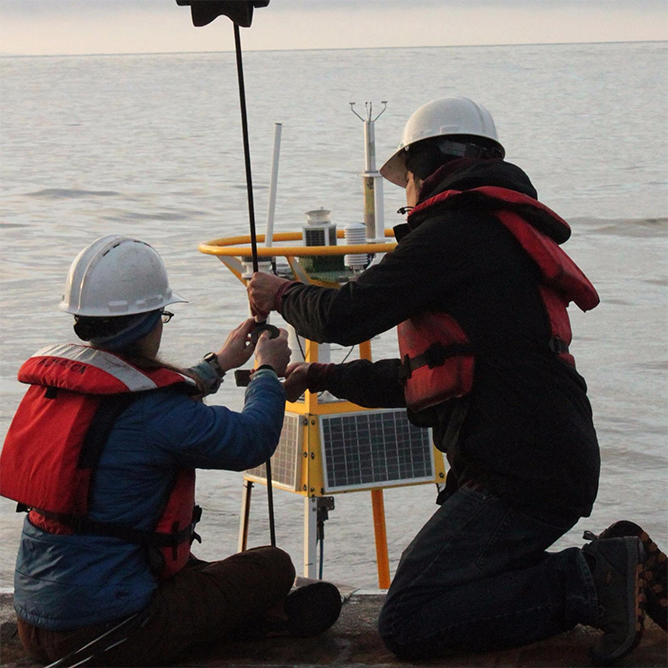
Developing innovative tools to help monitor ocean acidification and mitigate changing ocean chemistry locally