Webstories
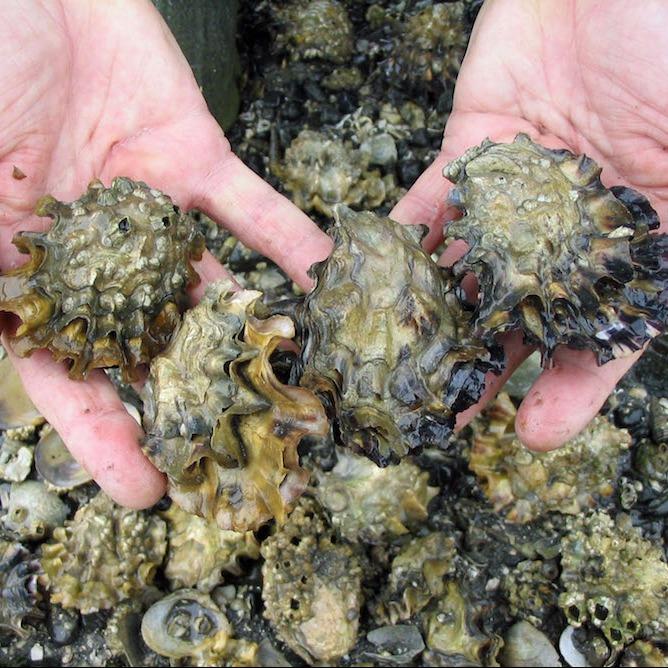
A new study reveals that exposing parent Manila clams to acidic seawater triggers biological signals in their eggs, significantly improving larval growth and survival. This maternal priming offers a promising strategy to help shellfish hatcheries adapt to ocean acidification.
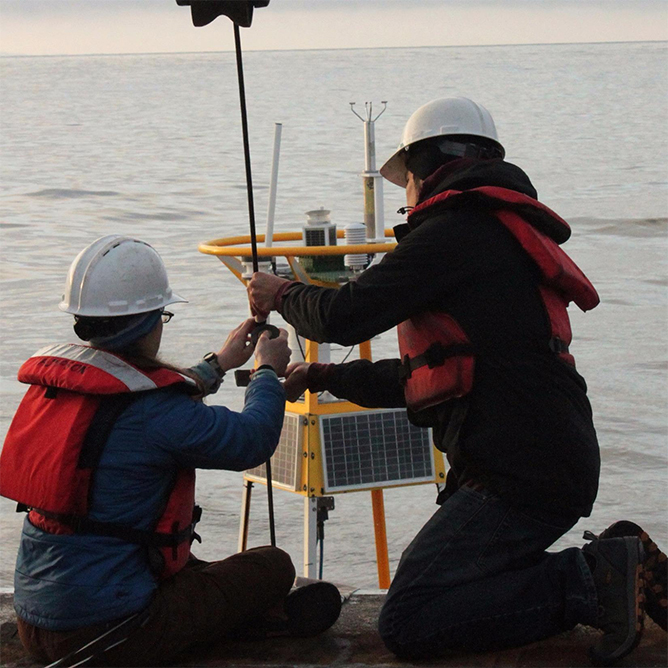
Chesapeake Bay oyster and clam farmers team up with researchers from the Virginia Institute of Marine Science to develop tools for local aquaculture.
Today on 8 January we recognize that our global ocean pH has declined to 8.1, marking a 26% increase in acidity since pre-Industrial times. NOAA OAP recognizes 8 January as international OA Day of Action. Learn more about our efforts and tools you can use.
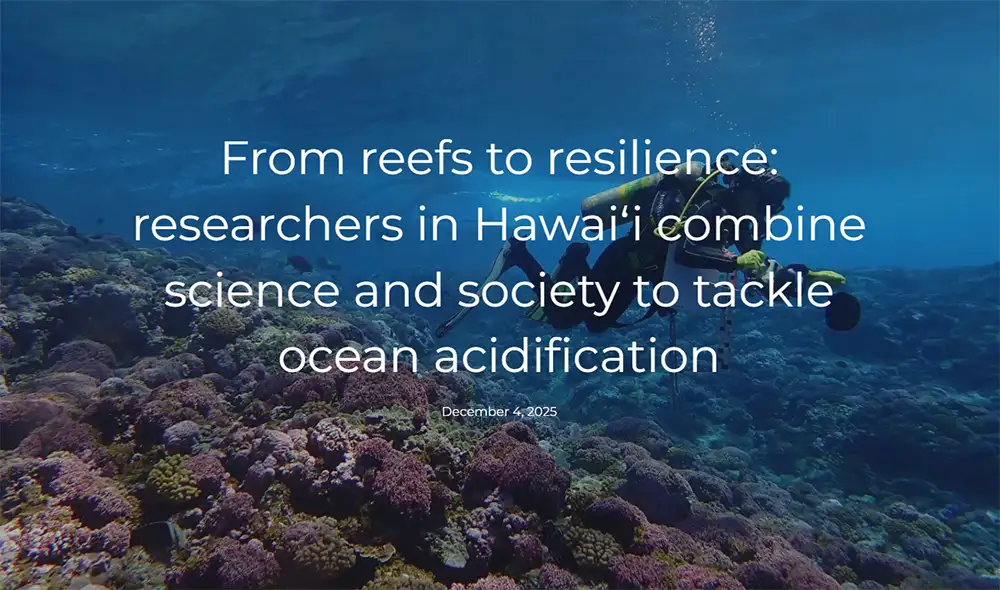
In recognition of NOAA’s Corals Week, we highlight new research bringing together ocean modeling and socioeconomics in Hawai'i to inform adaptation planning.
Atlantic sea scallop fishermen face challenges with changing ocean conditions. Together with researchers , they confront potential effects of ocean acidification to keep fishing.
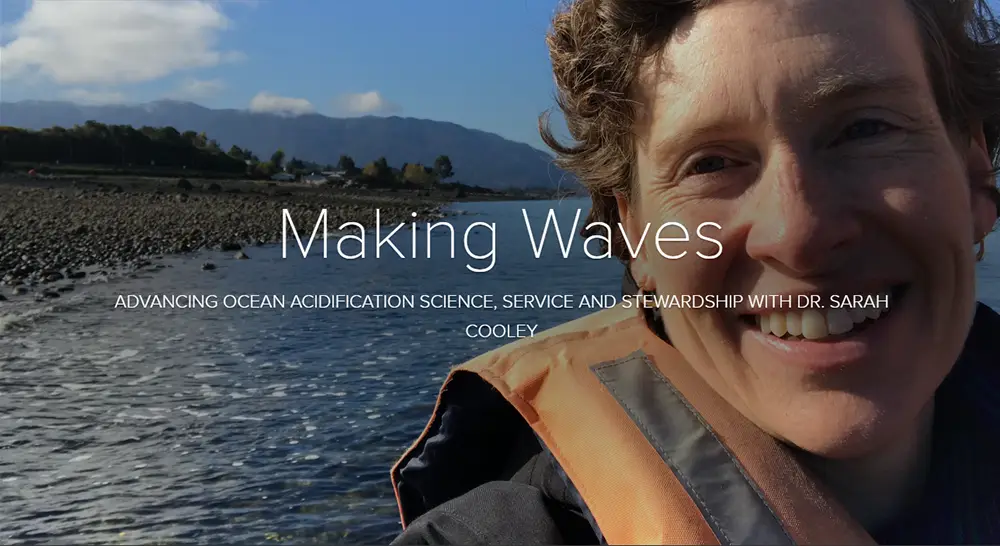
Get to know the new director of the NOAA's Ocean Acidification Program, Sarah Cooley, and her vision for the program.