Official websites use .gov
A .gov website belongs to an official government organization in the United States.

Secure .gov websites use HTTPS
A lock ( ) or https:// means you’ve safely connected to the .gov website. Share sensitive information only on official, secure websites.

Category: ocean acidification

In Our View: Oceans Threatened

Rising acid levels are addressed in panel’s new recommendations, The Columbian Read the full story > One of the first and most frequent rebuttals to environmental concerns is based on finances: Can we afford the solutions? Therefore, we’ll begin this discussion of ocean acidification — admittedly a complex and still

Read More »
ocean acidification

Oceans fail the acid test as carbon emissions rise

BY: GEOFFREY LEAN, Science Read the full story > It is the little mentioned flip side of global warming – the acidification of the world’s oceans. Now new research shows that, as predicted, it is harming sea life. Even if climate change were not taking place, the process provides compelling

Read More »
ocean acidification

CO2 dangerously acidifying world’s oceans

Oceans are sucking up increased carbon emissions, raising fears acidification could lead to marine life extinctions BY: JILLIAN KESTLER DAMOURS, Aljazeera Read the full story > As the effects of global climate change continue to be felt throughout the world’s ecosystems, scientists say greenhouse gases are causing rapid changes that

Read More »
ocean acidification

Ocean Acidification: It’s Time to Act

BY: GEORGE LEONARD, National Geographic Read the full story > Consensus is hard. Any time you bring together a range of interests, it’s rare the group can speak in a unified voice and recommend a clear path forward. But that’s exactly what happened yesterday in Washington by its Governor and

Read More »
ocean acidification

Rising ocean acidity off Washington state threatens shellfish, panel says

BY: The Associated Press Read the full story > SEATTLE — Rising acidity levels in the oceans pose a serious threat to shellfish and other marine life, and tackling that problem in Washington state will require reducing carbon dioxide emissions, keeping polluted runoff out of marine waters, and increasing monitoring

Read More »
ocean acidification

State panel calls for stronger action to combat ocean acidification

BY: CRAIG WELCH, The Seattle Times Read the full story > To combat ocean acidification in Washington, the state needs to better track the changing chemistry of Puget Sound, reduce stormwater runoff and nutrient pollution that worsen the problem, and counteract souring waters by sprinkling shells in estuaries or growing

Read More »
ocean acidification

Acidity in oceans: Bad trip for Washington’s economy

Seattle Pi Read the full story > The buildup of acid levels in oceans, a consequence of human-caused climate change, threatens to eat away at an important corner of Washington’s economy, according to the report of a state blue-ribbon panel on ocean acidification released on Tuesday.  “Our state should care

Read More »

Forecasts for Alaska Fisheries

Crab pots and fishing nets in Alaska's Dutch Harbor
Image credit: Michael Theberge

Understanding seasonal changes in ocean acidification in Alaskan waters and the potential impacts to the multi-billion-dollar fishery sector is a main priority. Through work funded by NOAA’s Ocean Acidification Program, the Pacific Marine Environmental Laboratory developed a model capable of depicting past ocean chemistry conditions for the Bering Sea and is now testing the ability of this model to forecast future conditions. This model is being used to develop an ocean acidification indicator provided to fisheries managers in the annual NOAA Eastern Bering Sea Ecosystem Status Report.

ADAPTING TO OCEAN ACIDIFICATION

The NOAA Ocean Acidification Program (OAP) works to prepare society to adapt to the consequences of ocean acidification and conserve marine ecosystems as acidification occurs. Learn more about the human connections and adaptation strategies from these efforts.

Adaptation approaches fostered by the OAP include:

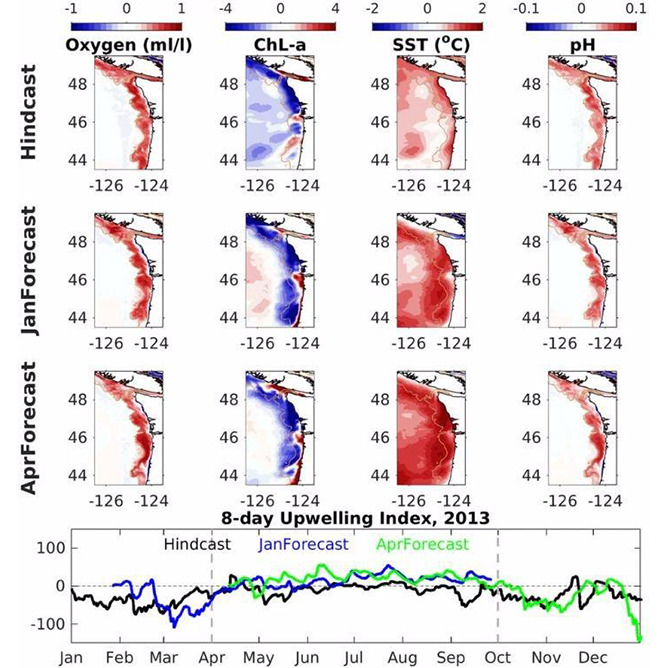
FORECASTING

Using models and research to understand the sensitivity of organisms and ecosystems to ocean acidification to make predictions about the future, allowing communities and industries to prepare

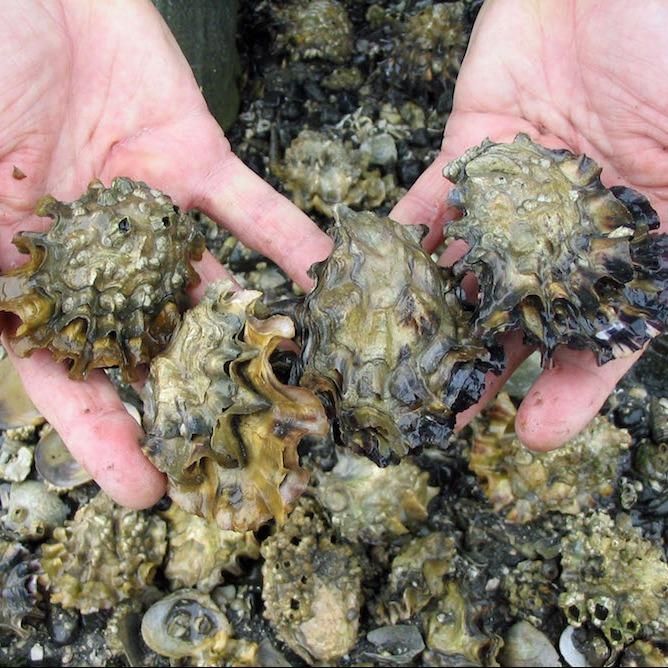
Closeup of oysters cupped in someone's hands

MANAGEMENT

Using these models and predictions as tools to facilitate management strategies that will protect marine resources and communities from future changes

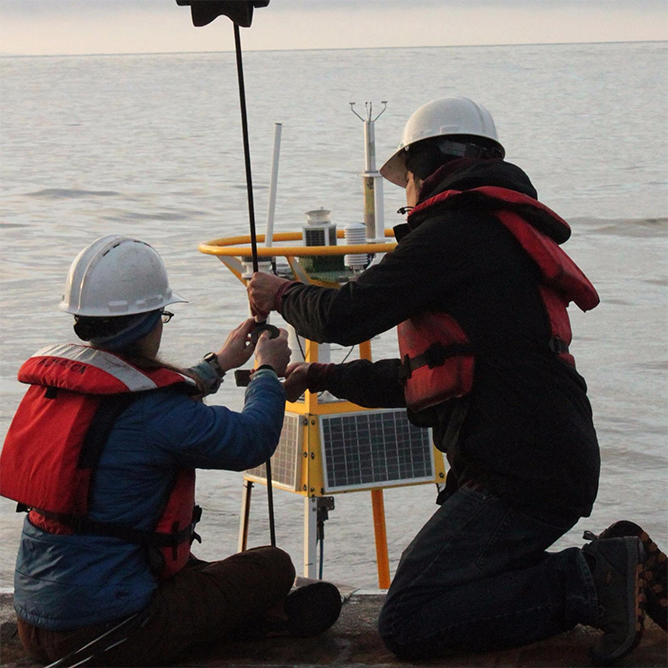
TECHNOLOGY DEVELOPMENT

Developing innovative tools to help monitor ocean acidification and mitigate changing ocean chemistry locally

REDUCING OUR CARBON FOOTPRINT

On the Road

Drive fuel-efficient vehicles or choose public transportation. Choose your bike or walk! Don't sit idle for more than 30 seconds. Keep your tires properly inflated.

With your Food Choices

Eat local- this helps cut down on production and transport! Reduce your meat and dairy. Compost to avoid food waste ending up in the landfill

With your Food Choices

Make energy-efficient choices for your appliances and lighting. Heat and cool efficiently! Change your air filters and program your thermostat, seal and insulate your home, and support clean energy sources

By Reducing Coastal Acidification

Reduce your use of fertilizers, Improve sewage treatment and run off, and Protect and restore coastal habitats

TAKE ACTION WITH YOUR COMMUNITY

You've taken the first step to learn more about ocean acidification - why not spread this knowledge to your community?

Every community has their unique culture, economy and ecology and what’s at stake from ocean acidification may be different depending on where you live.  As a community member, you can take a larger role in educating the public about ocean acidification. Creating awareness is the first step to taking action.  As communities gain traction, neighboring regions that share marine resources can build larger coalitions to address ocean acidification.  Here are some ideas to get started:

  1. Work with informal educators, such as aquarium outreach programs and local non-profits, to teach the public about ocean acidification. Visit our Education & Outreach page to find the newest tools!
  2. Participate in habitat restoration efforts to restore habitats that help mitigate the effects of coastal acidification
  3. Facilitate conversations with local businesses that might be affected by ocean acidification, building a plan for the future.
  4. Partner with local community efforts to mitigate the driver behind ocean acidification  – excess CO2 – such as community supported agriculture, bike & car shares and other public transportation options.
  5. Contact your regional Coastal Acidification Network (CAN) to learn how OA is affecting your region and more ideas about how you can get involved in your community
       More for Taking Community Action