Official websites use .gov
A .gov website belongs to an official government organization in the United States.

Secure .gov websites use HTTPS
A lock ( ) or https:// means you’ve safely connected to the .gov website. Share sensitive information only on official, secure websites.

Category: ocean acidification

ocean acidification

Sea changes harming ocean now could someday undermine marine food chain

Scientists years ago figured out that a group of tiny snail-like sea creatures crucial to marine food webs may one day be an early victim of changing ocean chemistry. 

Researchers predicted that pteropods, shelled animals known as sea butterflies, could begin dissolving by 2038 as human-caused carbon-dioxide emissions begin souring

Read More »
ocean acidification

Washington is first state to tackle ocean acidification

BY: KENNETH R. WEISS, The Los Angeles Times Read the full story > Washington Gov. Chris Gregoire on Tuesday ordered state agencies to take initial steps to combat ocean acidification, making it the first state to address problematic changes in ocean chemistry that threaten shellfish farms, wild-caught fish and other

Read More »
ocean acidification

Washington State Targets Pollutants that Lead to Ocean Acidification

BY: DAVID MALAKOFF, Science Read the full story > In the first state-level action of its kind, the governor of Washington today announced that her state will try to protect valuable shellfish industries and marine life from ocean acidification. Responding to a report that she requested, Governor Chris Gregoire said

Read More »

Gregoire orders action on ocean acidification

BY: ASSOCIATED PRESS Read the full story > SEATTLE — Rising acidity levels in the oceans pose a serious threat to shellfish and other marine life, and tackling that problem in Washington state will require reducing carbon dioxide emissions, keeping polluted runoff out of marine waters, and increasing monitoring at

Read More »
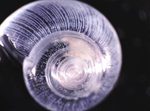
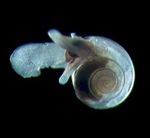
Pteropod shell
ocean acidification

Washington state confronts ocean acidification

BY: JULIET EILPERIN, The Washington Post Read the full story > Washington Gov. Chris Gregoire (D) ordered state agencies on Tuesday to take steps to address the ocean’s increasing acidity, making it the first state to adopt a policy to take on what scientists describe as a growing environmental concern. Ocean

Read More »
ocean acidification

How do melting glaciers change ocean chemistry?

BY: ED SCHOENFELD, CoastAlaska News Read the full story > Scientists have known for years that greenhouse gasses are altering the chemical makeup of our oceans.More and more carbon dioxide is dissolving into salt water, creating carbonic acid. That changes the ocean’s pH, or acid-alkaline balance.And it’s hitting harder in Alaska.

Read More »
ocean acidification

Lethal carbon dioxide and ocean acidification threaten marine life

BY: JEAN WILLIAMS, The Examiner The action by Center for Biological Diversity included submitting a detailed letter to the House of Natural Resources Committee, the Senate Committee on Commerce, Science and Transportation, and the Senate Environmental and Public Works Committee. Read the full story >

Read More »
ocean acidification

Ocean acidification emerges as new climate threat

BY: JULIET EILPERIN, The Washington Post HOMER, Alaska — Kris Holderied, who directs the National Oceanic and Atmospheric Administration’s Kasitsna Bay Laboratory, says the ocean’s increasing acidity is “the reason fishermen stop me in the grocery store.” “They say, ‘You’re with the NOAA lab, what are you doing on ocean acidification?’ ”

Read More »

Forecasts for Alaska Fisheries

Crab pots and fishing nets in Alaska's Dutch Harbor
Image credit: Michael Theberge

Understanding seasonal changes in ocean acidification in Alaskan waters and the potential impacts to the multi-billion-dollar fishery sector is a main priority. Through work funded by NOAA’s Ocean Acidification Program, the Pacific Marine Environmental Laboratory developed a model capable of depicting past ocean chemistry conditions for the Bering Sea and is now testing the ability of this model to forecast future conditions. This model is being used to develop an ocean acidification indicator provided to fisheries managers in the annual NOAA Eastern Bering Sea Ecosystem Status Report.

ADAPTING TO OCEAN ACIDIFICATION

The NOAA Ocean Acidification Program (OAP) works to prepare society to adapt to the consequences of ocean acidification and conserve marine ecosystems as acidification occurs. Learn more about the human connections and adaptation strategies from these efforts.

Adaptation approaches fostered by the OAP include:

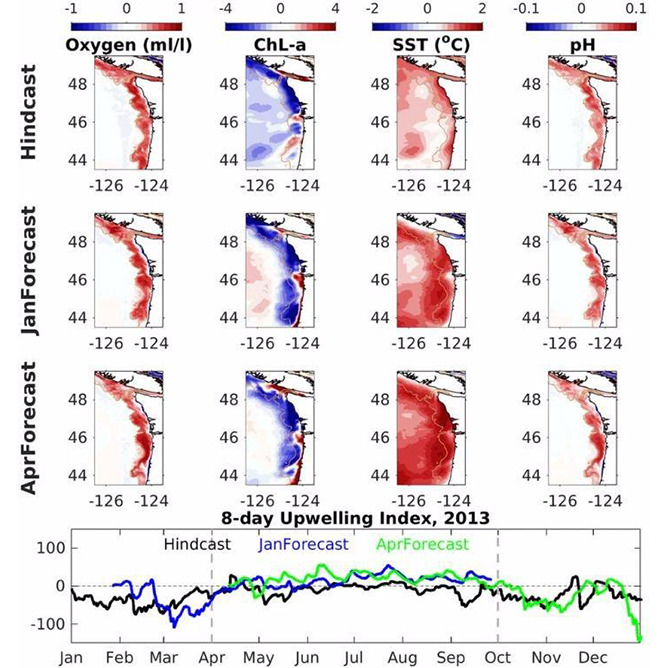
FORECASTING

Using models and research to understand the sensitivity of organisms and ecosystems to ocean acidification to make predictions about the future, allowing communities and industries to prepare

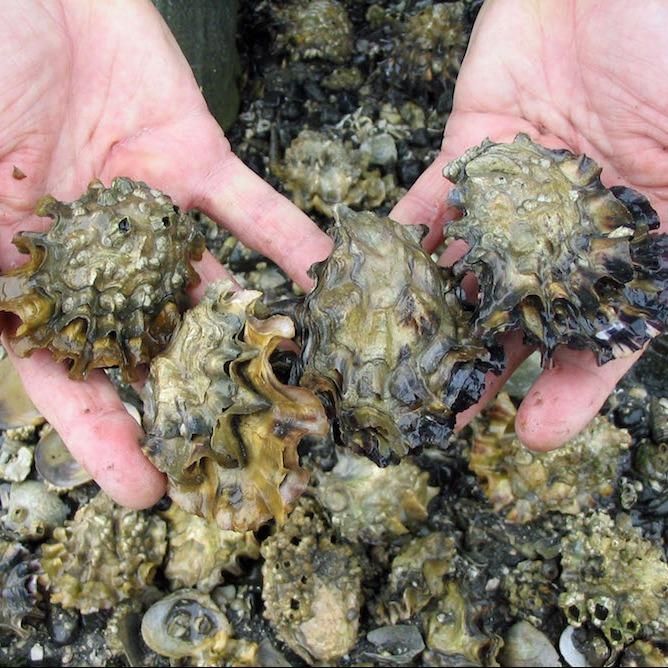
Closeup of oysters cupped in someone's hands

MANAGEMENT

Using these models and predictions as tools to facilitate management strategies that will protect marine resources and communities from future changes

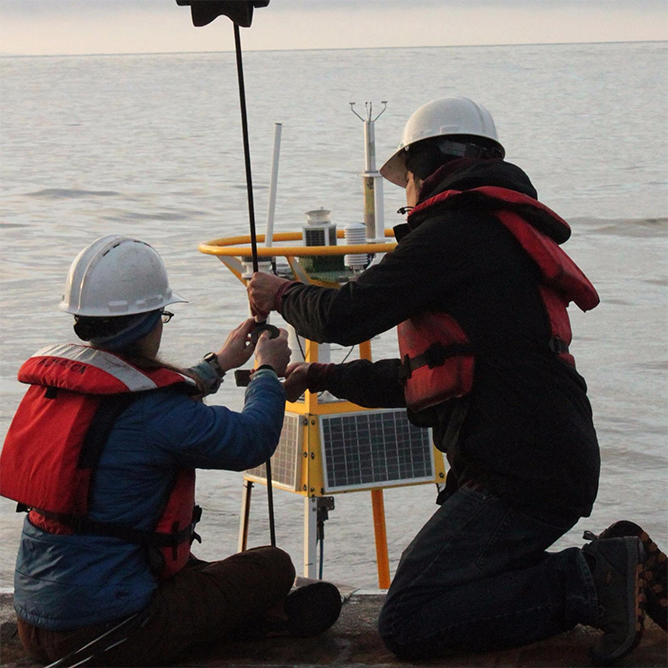
TECHNOLOGY DEVELOPMENT

Developing innovative tools to help monitor ocean acidification and mitigate changing ocean chemistry locally

REDUCING OUR CARBON FOOTPRINT

On the Road

Drive fuel-efficient vehicles or choose public transportation. Choose your bike or walk! Don't sit idle for more than 30 seconds. Keep your tires properly inflated.

With your Food Choices

Eat local- this helps cut down on production and transport! Reduce your meat and dairy. Compost to avoid food waste ending up in the landfill

With your Food Choices

Make energy-efficient choices for your appliances and lighting. Heat and cool efficiently! Change your air filters and program your thermostat, seal and insulate your home, and support clean energy sources

By Reducing Coastal Acidification

Reduce your use of fertilizers, Improve sewage treatment and run off, and Protect and restore coastal habitats

TAKE ACTION WITH YOUR COMMUNITY

You've taken the first step to learn more about ocean acidification - why not spread this knowledge to your community?

Every community has their unique culture, economy and ecology and what’s at stake from ocean acidification may be different depending on where you live.  As a community member, you can take a larger role in educating the public about ocean acidification. Creating awareness is the first step to taking action.  As communities gain traction, neighboring regions that share marine resources can build larger coalitions to address ocean acidification.  Here are some ideas to get started:

  1. Work with informal educators, such as aquarium outreach programs and local non-profits, to teach the public about ocean acidification. Visit our Education & Outreach page to find the newest tools!
  2. Participate in habitat restoration efforts to restore habitats that help mitigate the effects of coastal acidification
  3. Facilitate conversations with local businesses that might be affected by ocean acidification, building a plan for the future.
  4. Partner with local community efforts to mitigate the driver behind ocean acidification  – excess CO2 – such as community supported agriculture, bike & car shares and other public transportation options.
  5. Contact your regional Coastal Acidification Network (CAN) to learn how OA is affecting your region and more ideas about how you can get involved in your community
       More for Taking Community Action