

Species response
Explore what is known so far about species in Alaska based on lab experiments.

Boya de Monitoreo de Acidificación Oceánica La boya de monitoreo de acidificación oceánica operada por CARICOOS registra datos a tiempo real del dióxido de carbono atmosférico y oceánico. Ver Infografia
Instrumentación Oceanográfica Read More »

There is growing interest around cultivating or preserving kelp beds to mitigate climate change and provide benefits to species such as shellfish who are susceptible to ocean acidification. This website provides answers to some of the main questions heard from Alaskans, as well as a summary of research underway, articles, and resources to learn more.
Q&A: Kelp, climate and ocean acidification Read More »

Making sure you and your family are well-informed can help raise awareness of the complexity of the problem and can help reduce coastal acidification.
Your Family Can Help Limit Ocean and Coastal Acidification Read More »

Shipwrecks and other underwater archaeological sites are a part of our history and culture and contribute to healthy underwater ecosystems by acting as artificial reefs, providing nurseries for recreational and commercial fish stocks, and providing recreational opportunities for scuba divers. Unfortunately, these important elements of our past are at risk of vanishing. 2-pager that includes

2-pager on monitoring ocean acidification in the Mid-Atlantic region including sections on the “State of the Science” and “Monitoring Acidification.” Part of the “Planning for a Changing Ocean” project aimed to understand how a changing climate impactsour ocean and the Mid-Atlantic’s diverse marine ecosystems, coastal communities and economies.
Monitoring Acidification in the Mid-Atlantic Read More »

Come along with MACAN and adventure through an education video game that follows acidification through coastal habitats. Meet coastal and ocean friends and help them recover from the effects of acidified waters.
Water We Gonna Do?: Dive into MACAN’s New Acidification Video Game Read More »
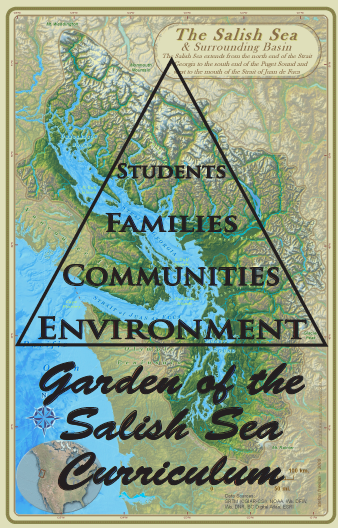
*6th Grade Curriculum includes Ocean Acidification GSSC is a K-12 environmental science program that uses shellfish as a model to teach marine science and stewardship with hands-on learning through field experience.
Garden of the Salish Sea Curriculum Read More »

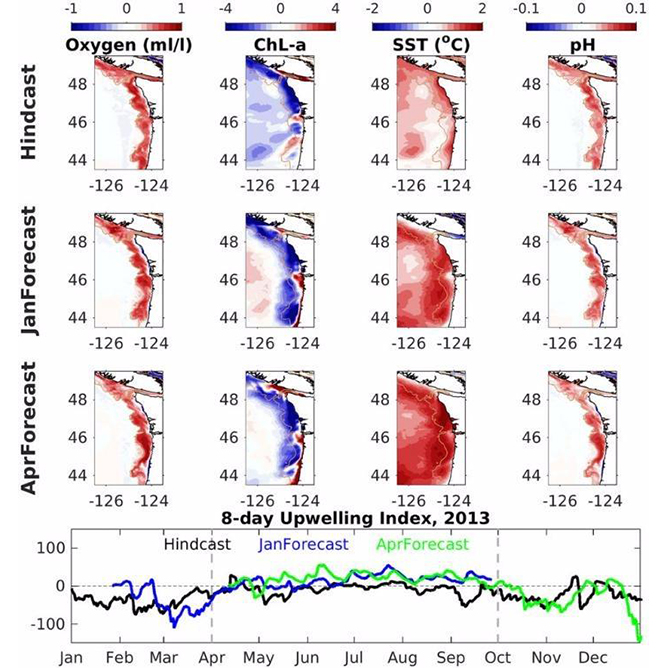
Using models and research to understand the sensitivity of organisms and ecosystems to ocean acidification to make predictions about the future, allowing communities and industries to prepare
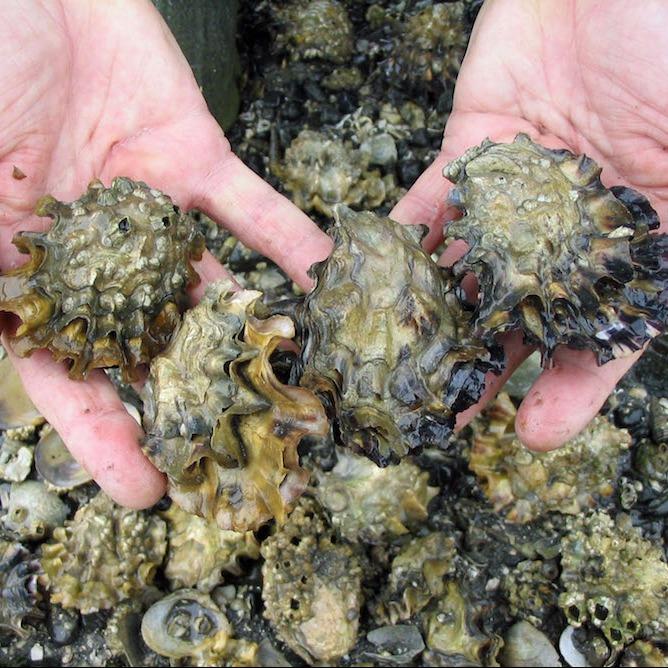
Using these models and predictions as tools to facilitate management strategies that will protect marine resources and communities from future changes
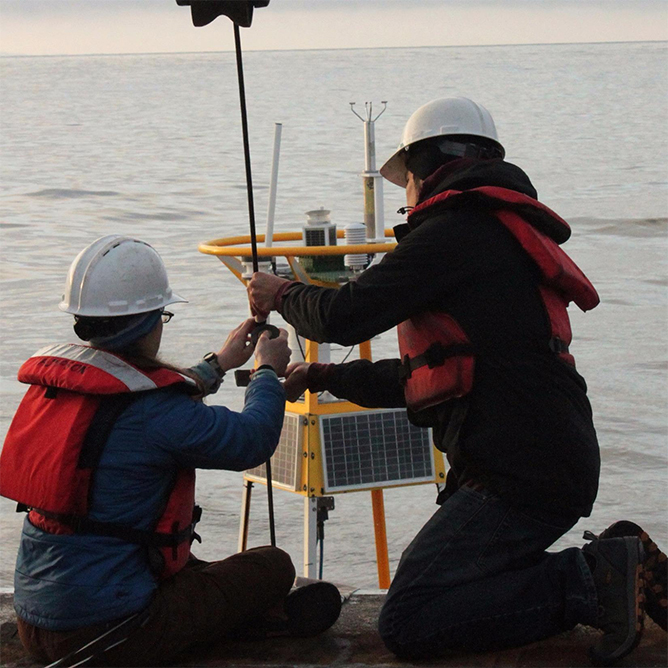
Developing innovative tools to help monitor ocean acidification and mitigate changing ocean chemistry locally

