Search News
Categories
NOAA Research A tiny sea snail, sometimes called a sea butterfly because of how it flutters about traveling the ocean currents, is part of the diet for such valuable fish as salmon and cod off the U.S West Coast. A new study models the journey of this delicate plankton from...
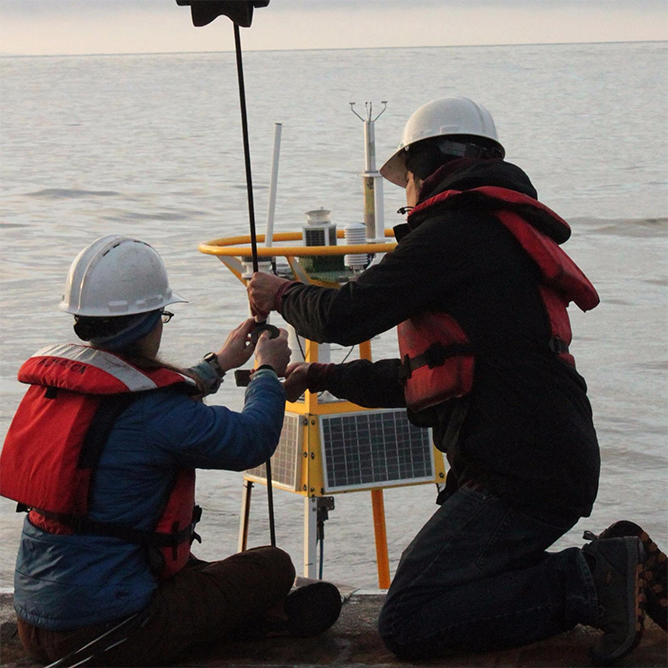
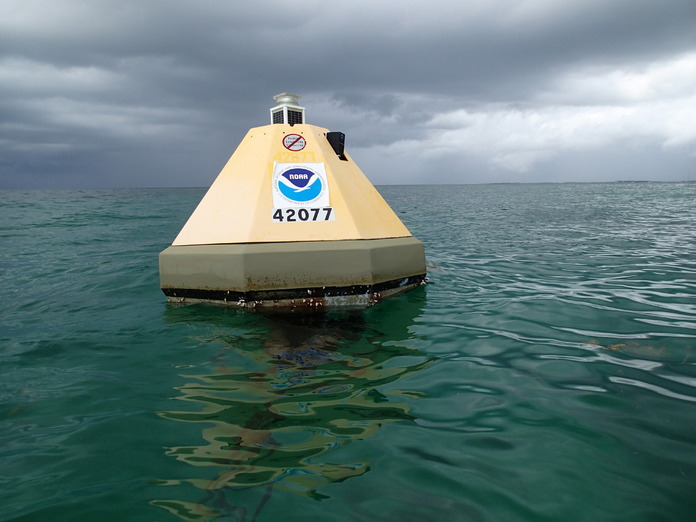
NOAA Pacific Marine Environmental Laboratory The buoy team of PMEL’s Carbon Group has recently developed innovative tools to better connect stakeholders to information generated by NOAA’s Ocean Acidification Observing Network.
...Oregon State University A three-year survey of the California Current System along the West Coast of the United States found persistent, highly acidified water throughout this ecologically critical nearshore habitat, with ‘hotspots’ of pH measurements as low as any oceanic surface waters in the world.
...United Nations Development Programme In the Sustainable Development Goals, the world has set forth a bold new vision for global development and committed to achieving it by the year 2030. SDG 14 calls for us to “conserve and sustainably use the oceans, seas and marine resources for sustainable development.”...
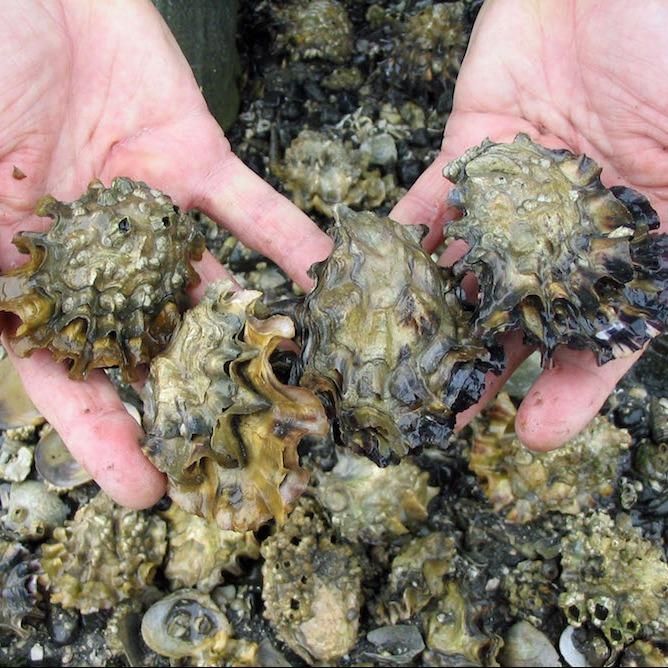
April 5, 2017, Bay Conference Center at the Romberg Tiburon Centre, Tiburon, CA The West Coast of the U.S. sits at the forefront of addressing impacts of OA, due to local oceanography and recent, catastrophic failures at oyster hatcheries over the past decade. Research along the West Coast has brought...
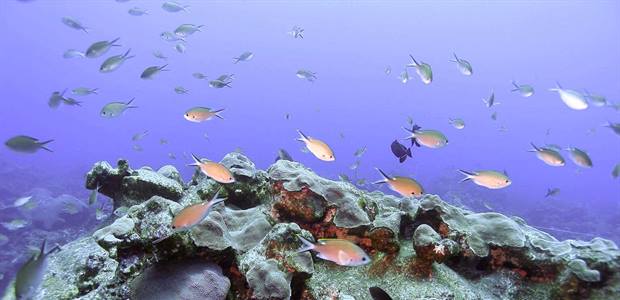
NOAA Oceanic and Atmospheric Research Ocean acidification is spreading rapidly in the western Arctic Ocean in both area and depth, potentially affecting shellfish, other marine species in the food web, and communities that depend on these resources, according to new research published in Nature Climate Change by NOAA, Chinese marine...