Search News
Categories
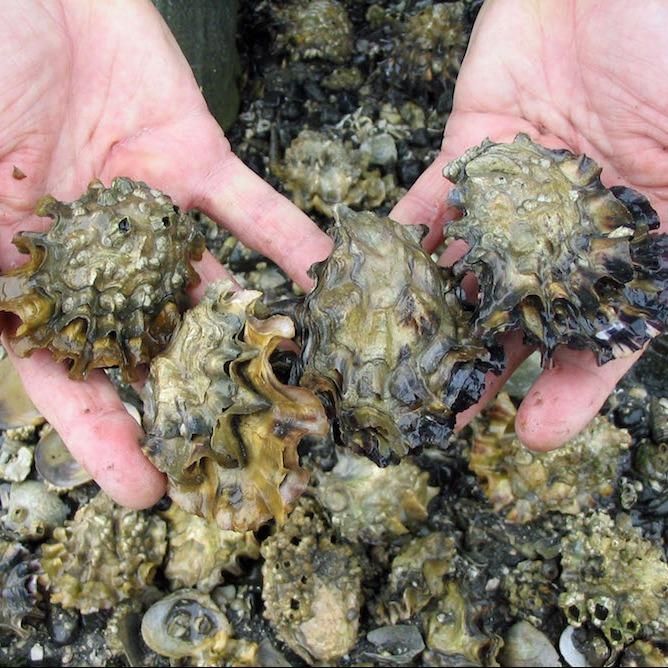
Elizabeth Grossman Standing on the shores of Netarts Bay in Oregon on a sunny fall morning, it’s hard to imagine that the fate of the oysters being raised here at the Whiskey Creek Shellfish Hatchery is being determined by what came out of smokestacks and tailpipes in the 1960s and...
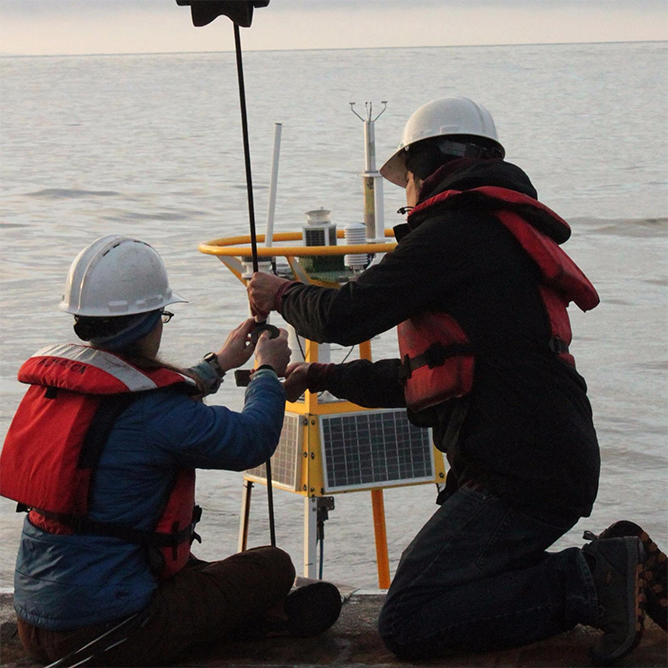
NOAA Scientists have discovered that the water chemistry in the Hood Canal and the Puget Sound main basin is becoming more “acidified,” or corrosive, as the ocean absorbs more carbon dioxide from the atmosphere. These changes could have considerable impacts on the region’s shellfish industry over the next several decades.
...NOAA About six years ago, production at some Pacific Northwest oyster hatcheries began declining at an alarming rate, posing severe economic impact and challenging a way of life held by shellfish growers for more than 130 years. By 2008, the oyster harvest at Whiskey Creek, a major Oregon supplier to...
Northwest Straits Commission The Northwest Straits Initiative is working to mitigate ocean acidification and its impacts on local businesses and economies. Volunteers with seven county-based Marine Resources Committees (MRC) and the Northwest Straits Commission are demonstrating ways to engage in local solutions, and sharing information that is provided by leading...
Sacramento, Calif. – California and Oregon are joining forces to help address ocean acidification and hypoxia, a West Coast-wide threat to our shared marine and coastal ecosystems. The California Natural Resources Agency, on behalf of the California Ocean Protection Council (OPC), today signed a Memorandum of Understanding with the state...
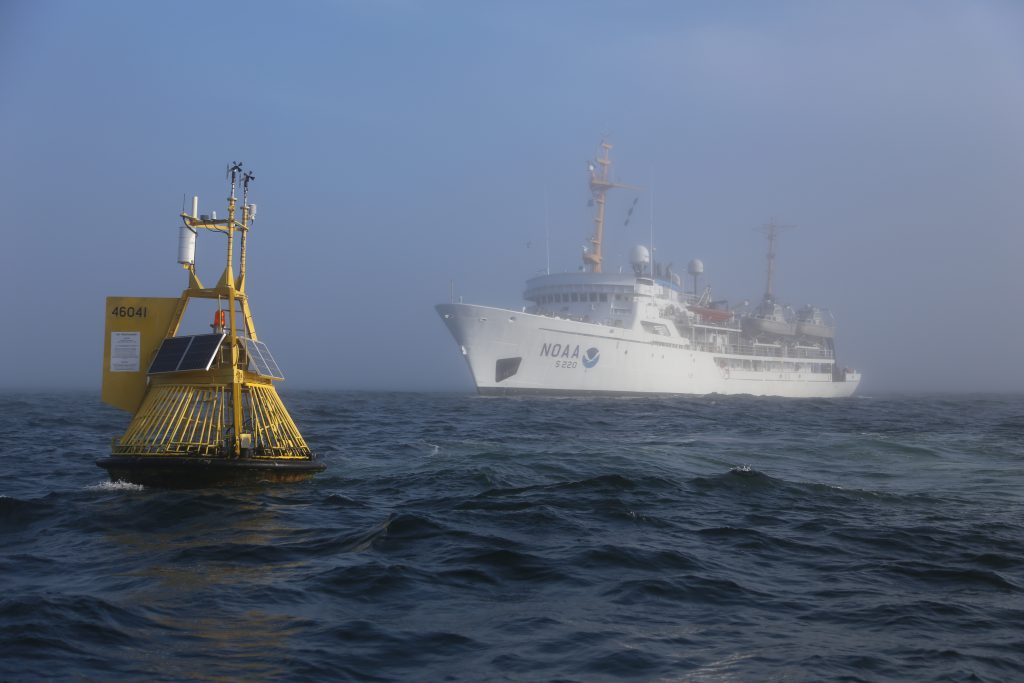
NOAA Research New NOAA research has revealed unprecedented changes in ocean carbon dioxide in the tropical Pacific Ocean over the last 14 years, influencing the role the oceans play in current and projected global warming and ocean acidification. Natural variability has dominated patterns in ocean CO2 in this region, but...