

A Mid-Decade Check-in: The NOAA Oceans, Coastal, and Great Lakes Acidification Research Plan 2020-2029
This report shares the mid-point status of the NOAA Oceans, Coastal and Great Lakes Acidification Research Plan.
This report shares the mid-point status of the NOAA Oceans, Coastal and Great Lakes Acidification Research Plan.

This graphic shows how ocean acidification can impede calcification, the process some marine life use to build and maintain their shells and skeletons.
Ocean Acidification illustration by NOAA PMEL Read More »

This brochure features what we know about ocean acidification effects on Bering Sea red king crab based on the latest science.
Bering Sea Red King Crab and Ocean Acidification Read More »

This flier helps start the conversation between shellfish growers and researchers to prepare and adapt to ocean acidification in Alaska together.
Ocean Acidification and Pacific oysters in southeast Alaska Read More »

The Alaska Ocean Acidification Network was developed to expand the understanding of OA processes and consequences in Alaska, as well as potential adaptation and mitigation actions. The network helps connect scientists and coastal communities to identify knowledge gaps, recommend regional priorities, share data, and disseminate information throughout Alaska. Learn more about the network and how
Alaska Ocean Acidification Network Overview Read More »

The objective of this course is for students to gain a process-based understanding of ocean acidification’s impact within Alaskan environments. This course will cover the fundamentals of the carbon cycle, ocean carbon chemistry, and the biological pump, as well as special topics including species case studies and regional profiles of Alaska’s waters.
Ocean Acidification in Alaska Self-Paced Course Read More »
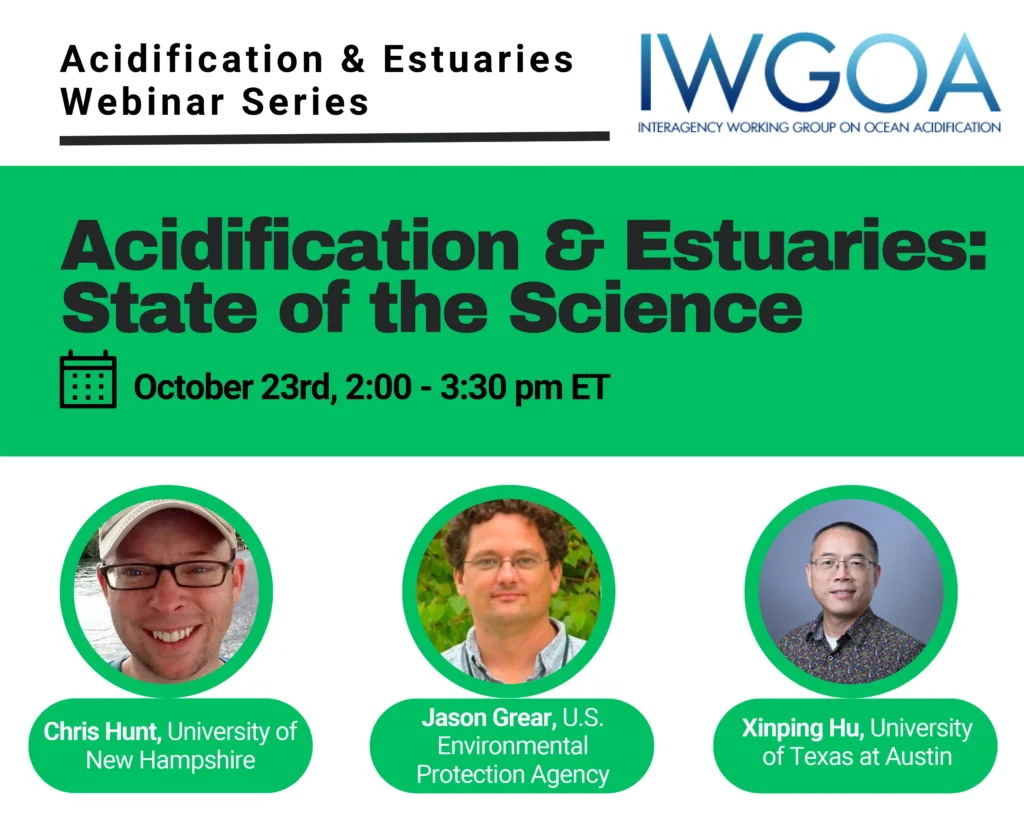
This is the second webinar in the Acidification & Estuaries Webinar Series hosted by the Interagency Working Group on Ocean Acidification. This webinar gives an overview of the state of the science related to acidification in estuaries and discuss remaining research gaps. Speakers discuss the causes of acidification, biological impacts, and how we can assess
Acidification & Estuaries: State of the Science Read More »

Hosted by the Interagency Working Group on Ocean Acidification, this webinar gives an overview of coastal acidification, the importance of studying acidification in estuaries, and the role that federal agencies currently play in monitoring and researching acidification in estuaries.
Acidification & Estuaries as a Federal Priority Read More »
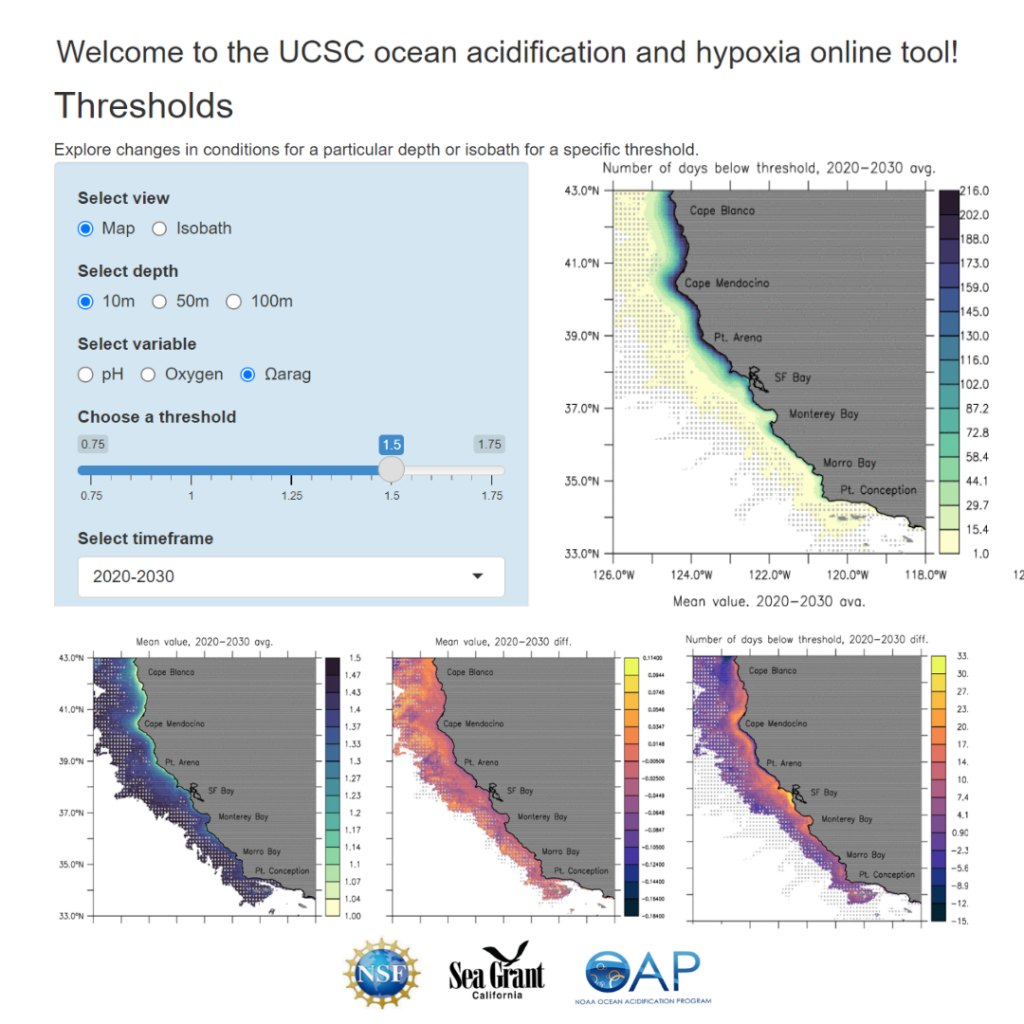
This interactive online tool developed by the University of California, Santa Cruz provides ocean acidification and hypoxia (OAH) projections for California coastal waters. This tool allows users to visualize the future progression of OAH at spatial scales relevant to marine resource management, and for biologically-relevant pH, aragonite saturation state, and oxygen thresholds.
Interactive ocean acidification and hypoxia tool for Coastal california Read More »

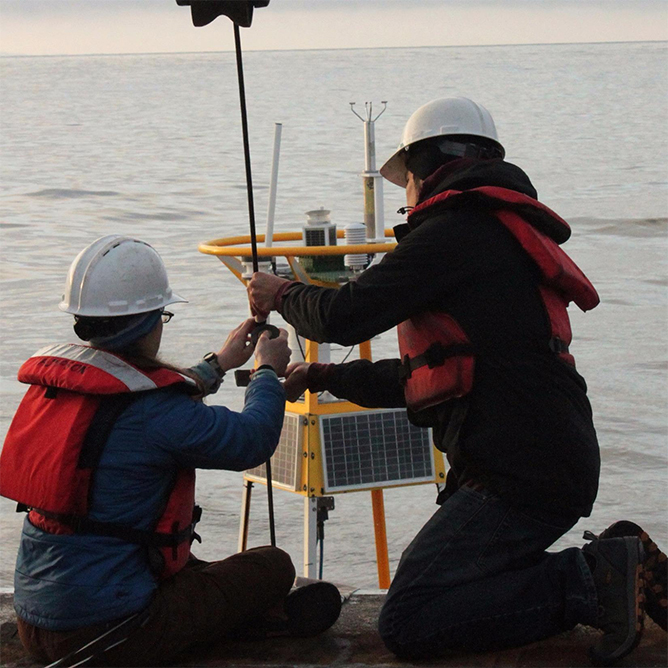
This video marks the work of one researcher working to getting baseline data for acidification monitoring in Lake Huron, a project supported in partnership with the NOAA Ocean Acidification Program, Thunder Bay National Marine Sanctuary and the NOAA Great Lakes Environmental Research Laboratory. From the samples taken, scientists are able to measure and track water
Video: Freshwater Acidification in the Great Lakes Read More »

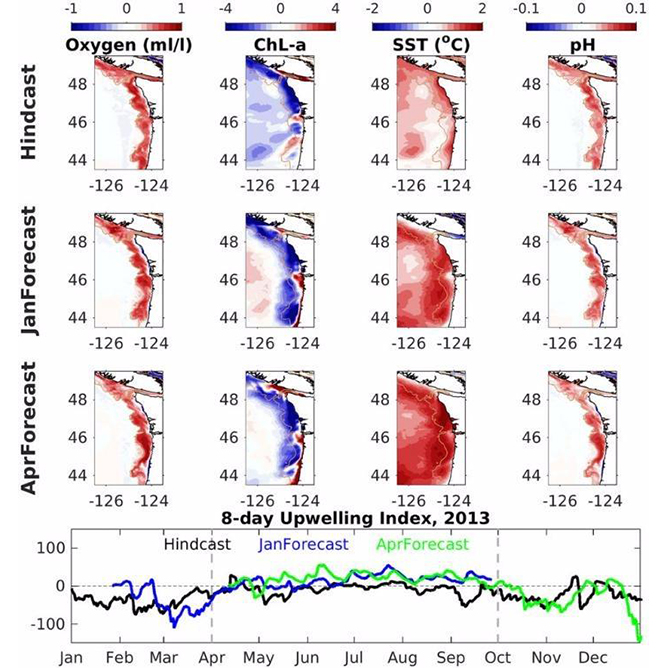
Using models and research to understand the sensitivity of organisms and ecosystems to ocean acidification to make predictions about the future, allowing communities and industries to prepare
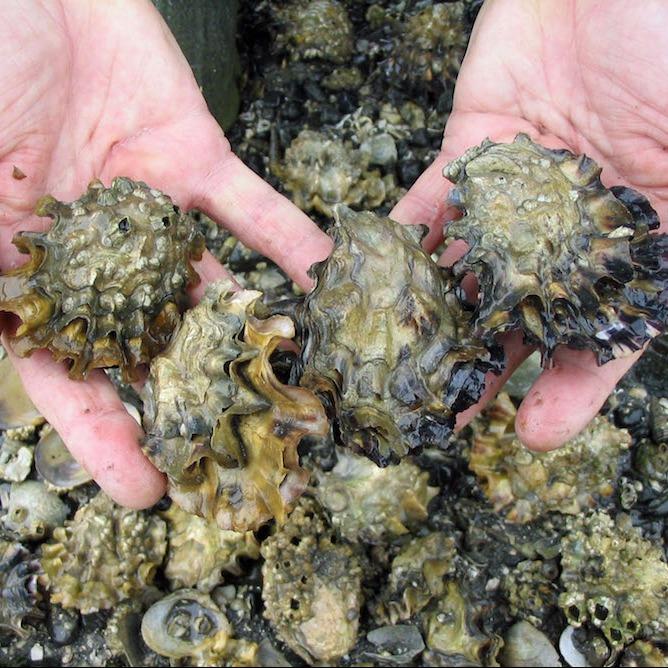
Using these models and predictions as tools to facilitate management strategies that will protect marine resources and communities from future changes
Developing innovative tools to help monitor ocean acidification and mitigate changing ocean chemistry locally