
Thresholds in a Changing Ocean Environment
Bioeconomic Implications for Alaska’s Salmon Fisheries
Thresholds in a Changing Ocean Environment Read More »

Bioeconomic Implications for Alaska’s Salmon Fisheries
Thresholds in a Changing Ocean Environment Read More »

Laboratory experiments simulate future conditions to help predict the climate resilience of a valuable Alaska fish.
Tracking Changes in Alaska Marine Ecosystems Read More »

Chesapeake Bay, the largest estuary in the continental United States, has strong spatial gradients and high temporal variability in water conditions that are not easily captured by discrete (single timepoint) field measurements. This archive provides an atlas of physical and biogeochemical conditions for the Chesapeake Bay based on numerical model results of 1985-2023. The atlas
Chesapeake Bay Modeling Data Tool (1985-2023) Read More »
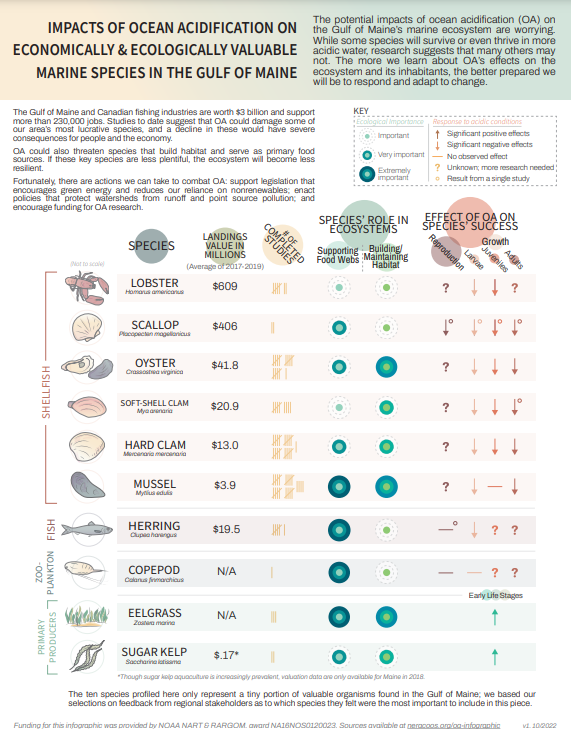
This 2022 infographic shares information on important fisheries and what we know about the risk and impact to people and marine life in the Gulf of Maine.
The Strategic Plan for Federal Research and Monitoring of Ocean Acidification will guide federal research and monitoring investments that will improve our understanding of ocean acidification, its potential impacts on marine species and ecosystems, and adaptation and mitigation strategies. This is the second Strategic Plan and is an update to the first version released in
Second Strategic Plan for Federal Research and Monitoring of Ocean Acidification Read More »
This report describes federally funded ocean acidification activities during fiscal years 2020 and 2021. The report describes projects that were funded across the federal government, organized by region and then by thematic area. Budget tables are included that detail the amount spent by each agency on each thematic area. From these investments, advancements were made
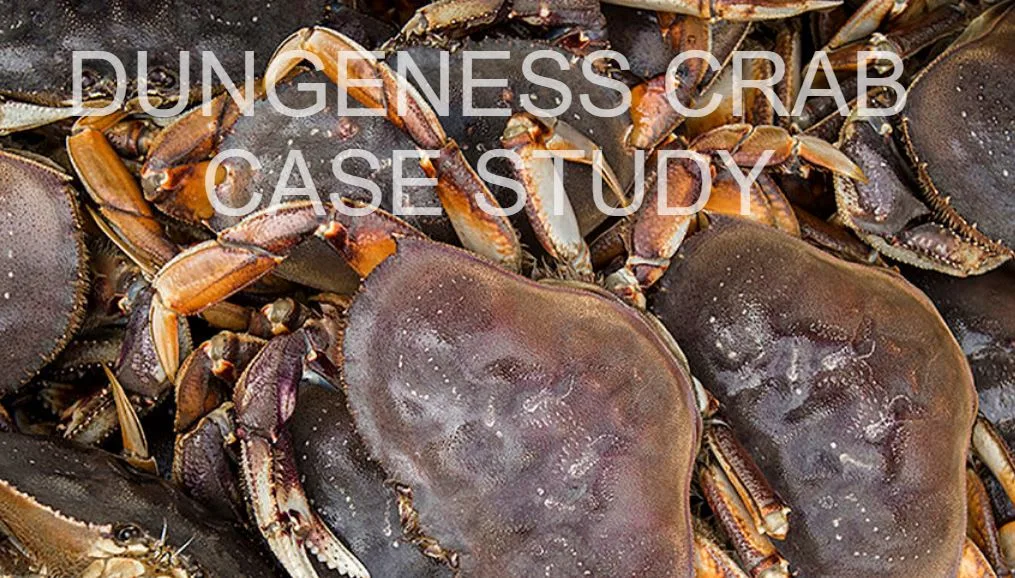
NOAA supports research to understand the impacts of ocean acidification on Dungeness crab, with this fact sheet for all.
Case Study: Dungeness Crab Read More »
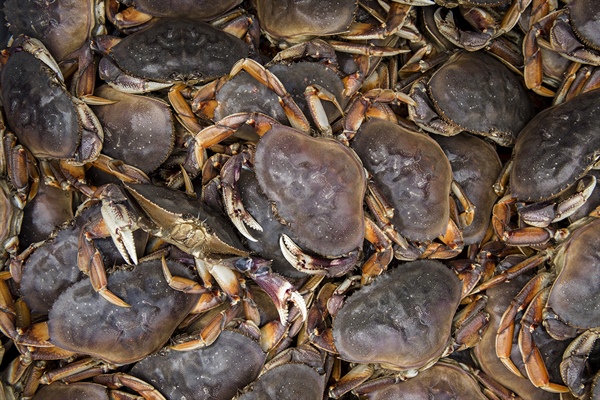
This 3-minute video presents research that helps answer potential how ocean acidification affects Dungeness crab and inform strategies to sustain this robust fishery.
Dungeness Crabs in Changing Waters: Research on OA Read More »
This 2018 video complements a communication and education toolkit, describing how ocean acidification potential affects Dungeness crab.
Be a Claw Abiding Citizen: Learn how Ocean Acidification could Affect Dungeness Crab Read More »
Assessment Presents Community Vulnerabilities to Acidification and Research Recommendations The Ocean Chemistry Coastal Community Vulnerability Assessment, written by the Interagency Working Group on Ocean Acidification responds to the Coordinated Ocean Observations and Research Act of 2020. The report is national in scope and describes social vulnerability to ocean acidification across seven regions. The report describes
Ocean Chemistry Coastal Community Vulnerability Assessment Read More »

Understanding seasonal changes in ocean acidification in Alaskan waters and the potential impacts to the multi-billion-dollar fishery sector is a main priority. Through work funded by NOAA’s Ocean Acidification Program, the Pacific Marine Environmental Laboratory developed a model capable of depicting past ocean chemistry conditions for the Bering Sea and is now testing the ability of this model to forecast future conditions. This model is being used to develop an ocean acidification indicator provided to fisheries managers in the annual NOAA Eastern Bering Sea Ecosystem Status Report.
The NOAA Ocean Acidification Program (OAP) works to prepare society to adapt to the consequences of ocean acidification and conserve marine ecosystems as acidification occurs. Learn more about the human connections and adaptation strategies from these efforts.
Adaptation approaches fostered by the OAP include:
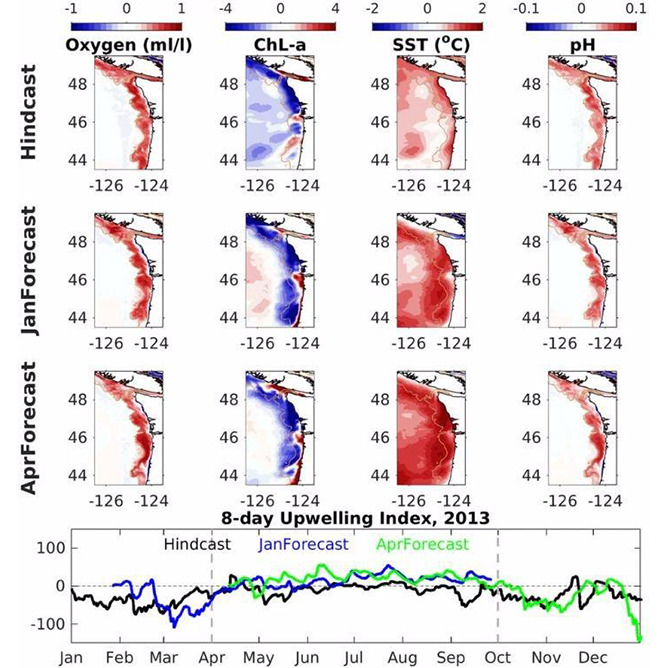
Using models and research to understand the sensitivity of organisms and ecosystems to ocean acidification to make predictions about the future, allowing communities and industries to prepare
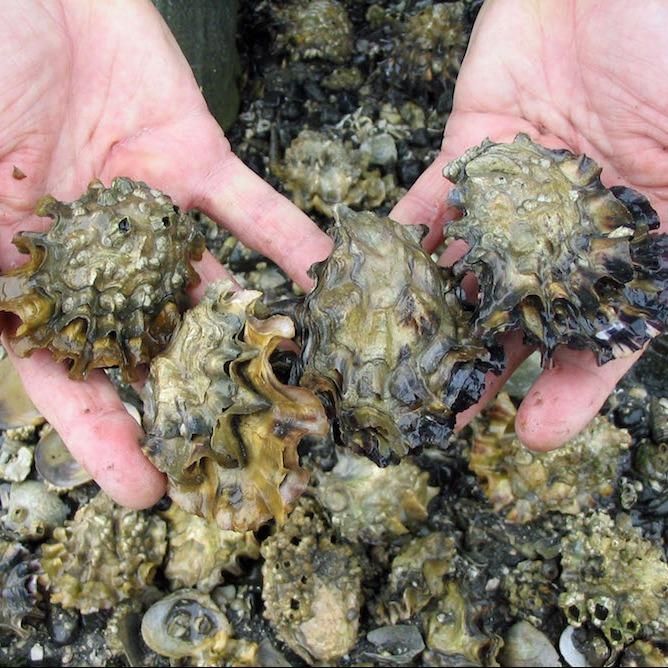
Using these models and predictions as tools to facilitate management strategies that will protect marine resources and communities from future changes
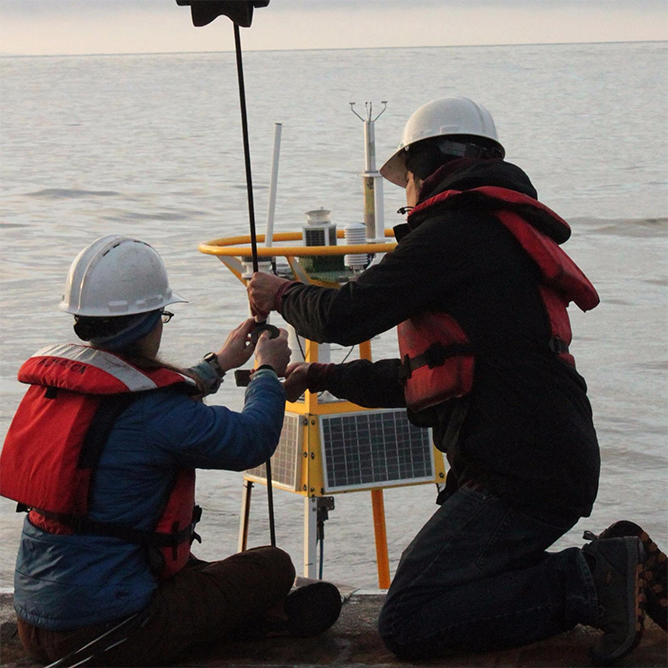
Developing innovative tools to help monitor ocean acidification and mitigate changing ocean chemistry locally
Drive fuel-efficient vehicles or choose public transportation. Choose your bike or walk! Don't sit idle for more than 30 seconds. Keep your tires properly inflated.
Eat local- this helps cut down on production and transport! Reduce your meat and dairy. Compost to avoid food waste ending up in the landfill
Make energy-efficient choices for your appliances and lighting. Heat and cool efficiently! Change your air filters and program your thermostat, seal and insulate your home, and support clean energy sources
Reduce your use of fertilizers, Improve sewage treatment and run off, and Protect and restore coastal habitats
You've taken the first step to learn more about ocean acidification - why not spread this knowledge to your community?
Every community has their unique culture, economy and ecology and what’s at stake from ocean acidification may be different depending on where you live. As a community member, you can take a larger role in educating the public about ocean acidification. Creating awareness is the first step to taking action. As communities gain traction, neighboring regions that share marine resources can build larger coalitions to address ocean acidification. Here are some ideas to get started: