

Featured
Six learning centers expand ocean acidification literacy
Announcing six awards to Coastal Ecosystem Learning Centers to support coastal and ocean acidification literacy and action.
Announcing six awards to Coastal Ecosystem Learning Centers to support coastal and ocean acidification literacy and action.

OAP awards six grants for the FY25 Regional Resiliency and Vulnerability Assessments (RVAs).
The Environmental Assessment Program (EAP) program within the Department of Ecology is looking to fill a Marine Scientist (Natural Resource Scientist 2) position. Applications are due April 24, 2018.
This position is located at our Headquarters Building in Lacey, WA but conducts work statewide. This position is responsible for conducting marine water quality monitoring,

Marine Resources Advisory Council The Washington state governor’s appointed board, the Marine Resources Advisory Council, released its first update in five years to the state’s coordinated response to ocean acidification. In the five years since the Blue Ribbon Panel’s report, there have been significant scientific advances and progress made on the
The North Pacific Research Board (NPRB) announces the release of its Core Program Request for Proposals (RFP). The 2018 RFP has an anticipated funding amount of $4.45 million. The North Pacific Research Board specifically lists ocean acidification as a topic of interest for proposed projects.
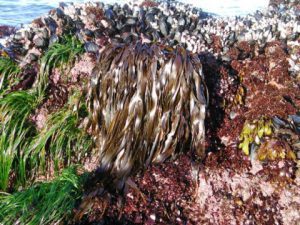
Oregon State University A three-year survey of the California Current System along the West Coast of the United States found persistent, highly acidified water throughout this ecologically critical nearshore habitat, with ‘hotspots’ of pH measurements as low as any oceanic surface waters in the world.

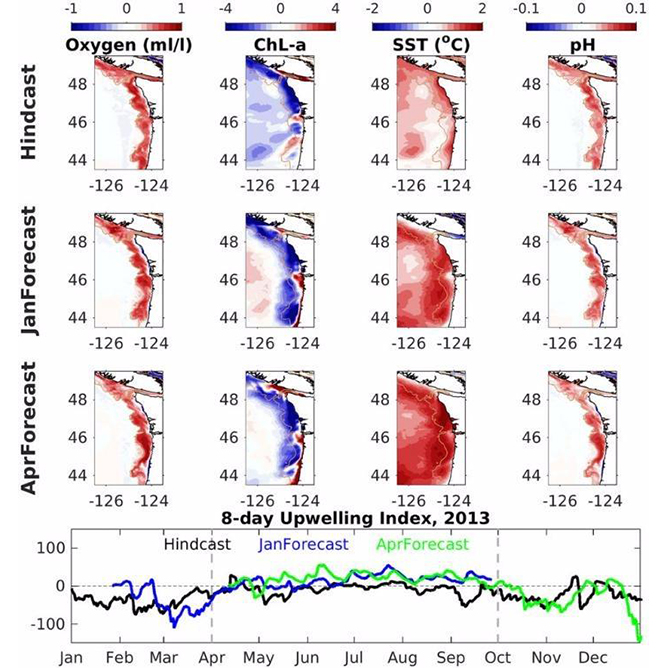
Using models and research to understand the sensitivity of organisms and ecosystems to ocean acidification to make predictions about the future, allowing communities and industries to prepare
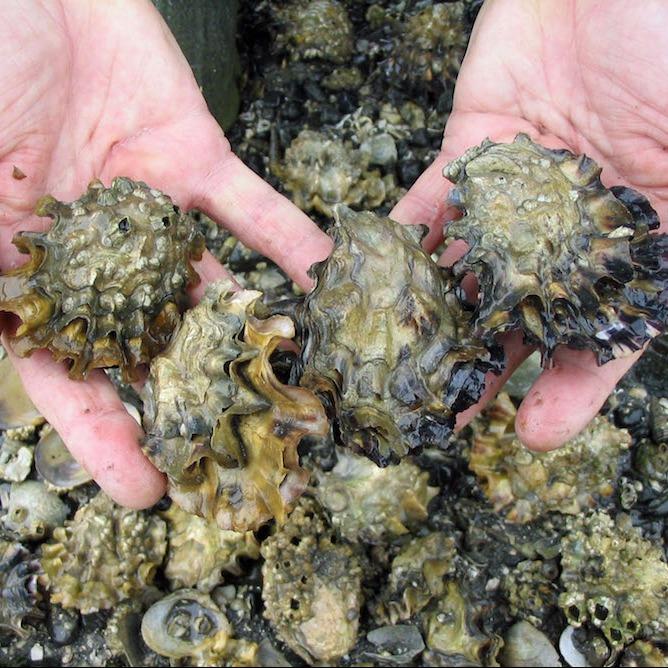
Using these models and predictions as tools to facilitate management strategies that will protect marine resources and communities from future changes
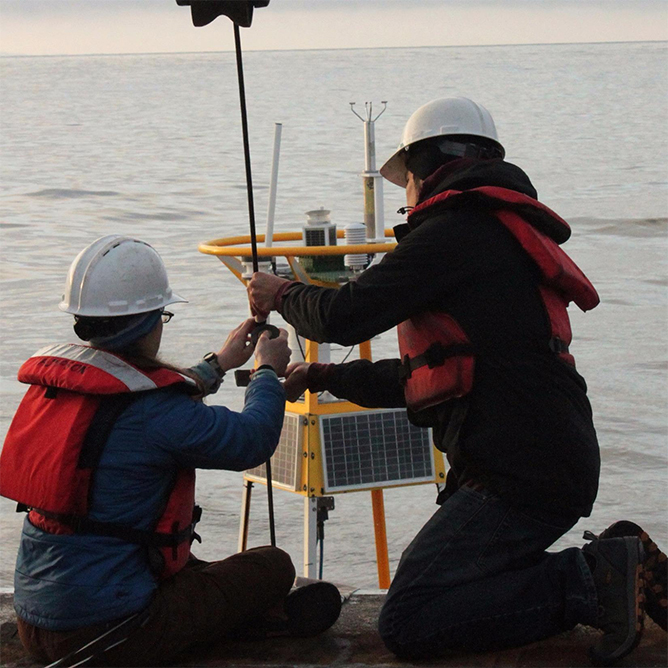
Developing innovative tools to help monitor ocean acidification and mitigate changing ocean chemistry locally