
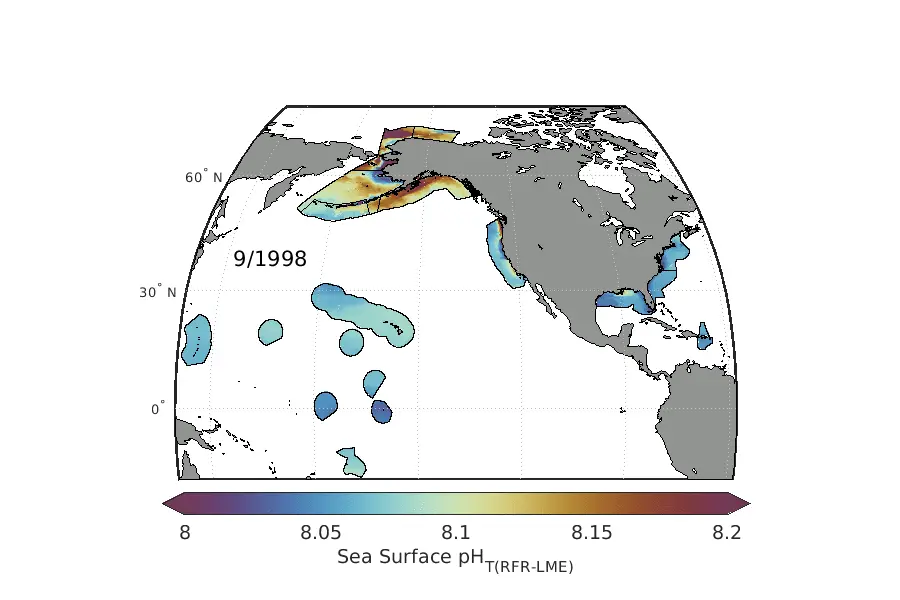
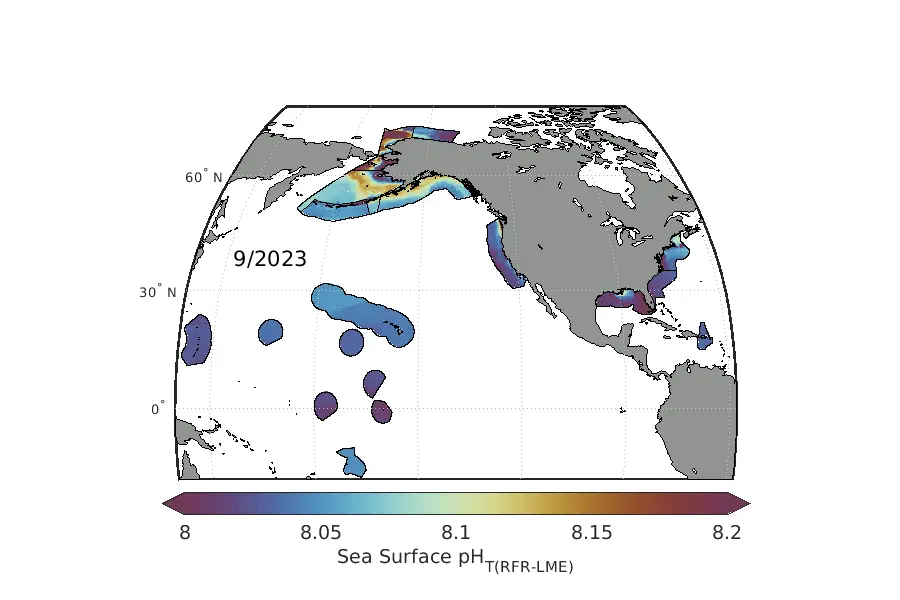







Cover image by Nomad_Soul – “Deep blue abyss” Fish over coral reef with diver in the Pacific. Credit: NOAA National Coral Reef Monitoring Program (2022) Ocean acidification observing buoy in Fagatele Bay, American Samoa. Credit: NOAA Fisheries (2022) Walleye Pollock. Credit: NOAA Fisheries Surfers at Olympic Coast National Marine Sanctuary. Credit: Matt McIntosh, NOAA (2016) Gulf of America as seen from space. Credit: NASA

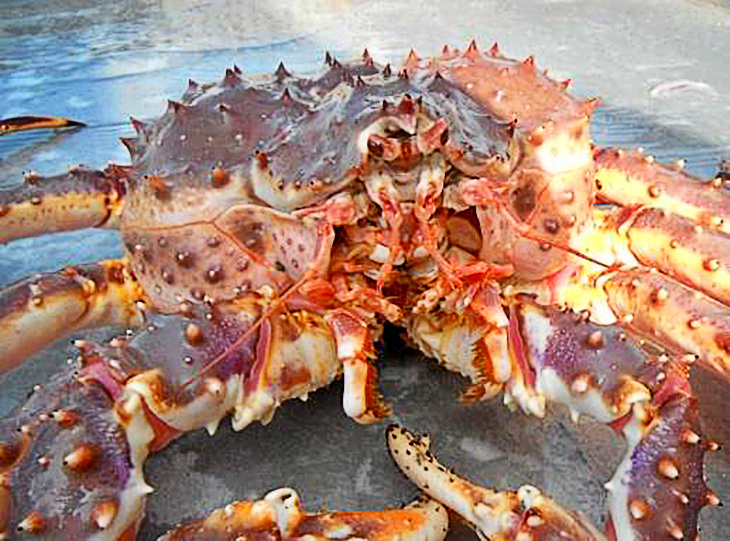
Effects of ocean acidification and temperature on Alaskan crabs

Long-term declines of red king crab in Bristol Bay, Alaska may be partially attributed to ocean acidification conditions. These impacts may be partially responsible for the fishery closures during the 2021–2022 and 2022–2023 seasons. Researchers found that ocean acidification negatively impacts Alaskan crabs generally by changing physiological processes, decreasing growth, increasing death rates and reducing shell thickness. Funded by the Ocean Acidification Program, scientists at the Alaska Fisheries Science Center continue to investigate the responses of early life history stages and study the potential of various Alaska crabs to acclimate to changing conditions. Results will inform models that will use the parameters studied to predict the effects of future ocean acidification on the populations of red king crab in Bristol Bay as well as on the fisheries that depend on them. Fishery managers will better be able to anticipate and manage stocks if changing ocean chemistry affects stock productivity and thus the maximum sustainable yield.
Forecasts for Alaska Fisheries

Understanding seasonal changes in ocean acidification in Alaskan waters and the potential impacts to the multi-billion-dollar fishery sector is a main priority. Through work funded by NOAA’s Ocean Acidification Program, the Pacific Marine Environmental Laboratory developed a model capable of depicting past ocean chemistry conditions for the Bering Sea and is now testing the ability of this model to forecast future conditions. This model is being used to develop an ocean acidification indicator provided to fisheries managers in the annual NOAA Eastern Bering Sea Ecosystem Status Report.
ADAPTING TO OCEAN ACIDIFICATION
The NOAA Ocean Acidification Program (OAP) works to prepare society to adapt to the consequences of ocean acidification and conserve marine ecosystems as acidification occurs. Learn more about the human connections and adaptation strategies from these efforts.
Adaptation approaches fostered by the OAP include:
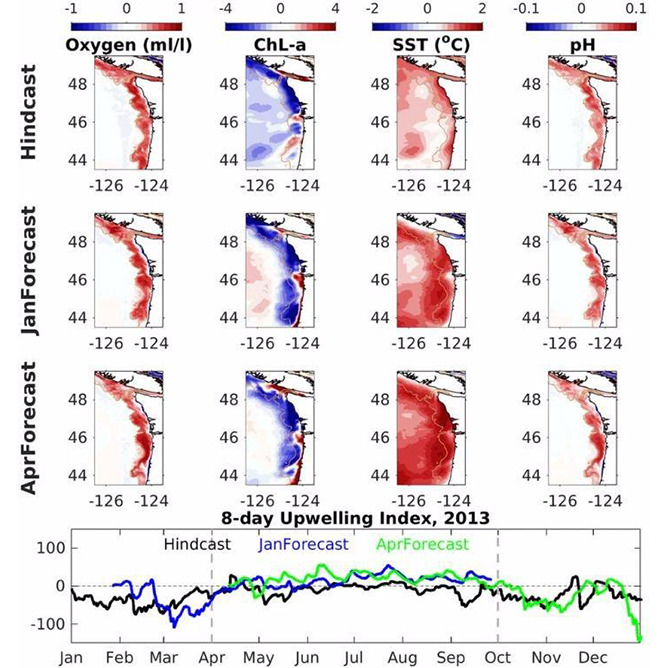
FORECASTING
Using models and research to understand the sensitivity of organisms and ecosystems to ocean acidification to make predictions about the future, allowing communities and industries to prepare
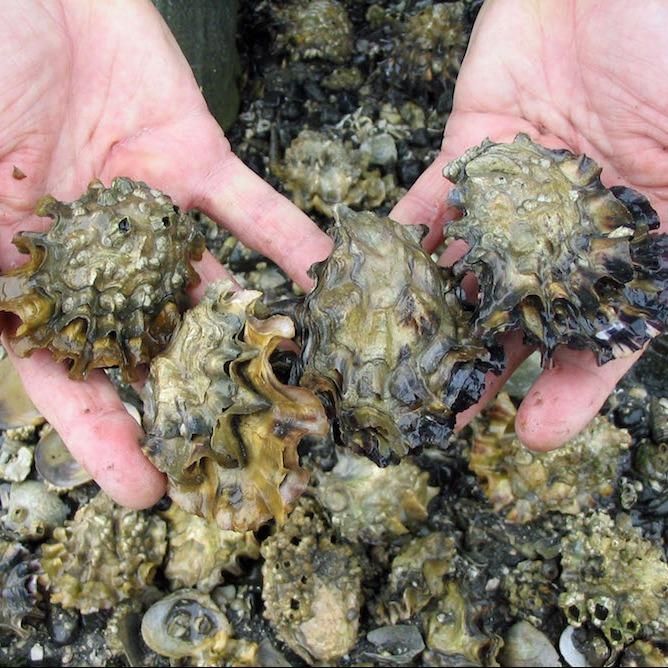
MANAGEMENT
Using these models and predictions as tools to facilitate management strategies that will protect marine resources and communities from future changes
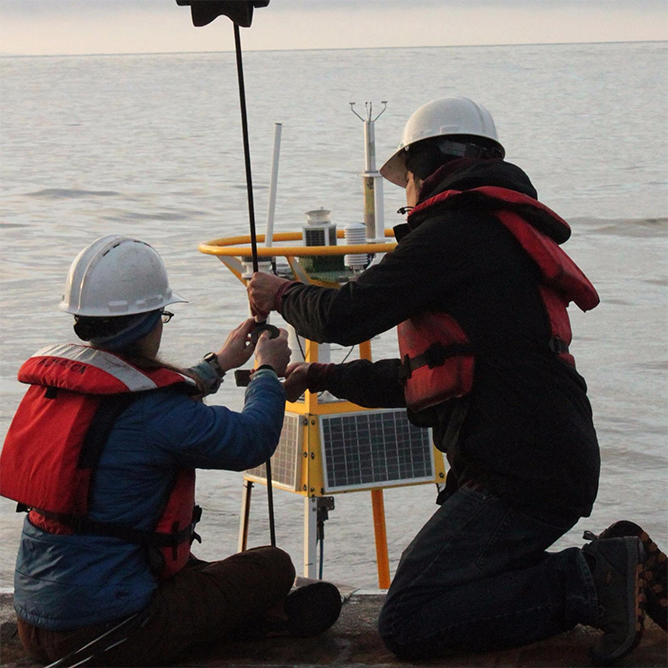
TECHNOLOGY DEVELOPMENT
Developing innovative tools to help monitor ocean acidification and mitigate changing ocean chemistry locally
REDUCING OUR CARBON FOOTPRINT
On the Road
Drive fuel-efficient vehicles or choose public transportation. Choose your bike or walk! Don't sit idle for more than 30 seconds. Keep your tires properly inflated.
With your Food Choices
Eat local- this helps cut down on production and transport! Reduce your meat and dairy. Compost to avoid food waste ending up in the landfill
With your Food Choices
Make energy-efficient choices for your appliances and lighting. Heat and cool efficiently! Change your air filters and program your thermostat, seal and insulate your home, and support clean energy sources
By Reducing Coastal Acidification
Reduce your use of fertilizers, Improve sewage treatment and run off, and Protect and restore coastal habitats
TAKE ACTION WITH YOUR COMMUNITY
You've taken the first step to learn more about ocean acidification - why not spread this knowledge to your community?
Every community has their unique culture, economy and ecology and what’s at stake from ocean acidification may be different depending on where you live. As a community member, you can take a larger role in educating the public about ocean acidification. Creating awareness is the first step to taking action. As communities gain traction, neighboring regions that share marine resources can build larger coalitions to address ocean acidification. Here are some ideas to get started:
- Work with informal educators, such as aquarium outreach programs and local non-profits, to teach the public about ocean acidification. Visit our Education & Outreach page to find the newest tools!
- Participate in habitat restoration efforts to restore habitats that help mitigate the effects of coastal acidification
- Facilitate conversations with local businesses that might be affected by ocean acidification, building a plan for the future.
- Partner with local community efforts to mitigate the driver behind ocean acidification – excess CO2 – such as community supported agriculture, bike & car shares and other public transportation options.
- Contact your regional Coastal Acidification Network (CAN) to learn how OA is affecting your region and more ideas about how you can get involved in your community
More for Taking Community Action