

Job Postings
Apply for Pier2Peer as mentor or mentee
GOA-ON’s Pier2Peer program is now accepting mentor and mentee applications for the next cohort.
GOA-ON’s Pier2Peer program is now accepting mentor and mentee applications for the next cohort.
The DFO-NOAA OA Collaboration announces its FY25 funding announcement in support of early career scientists promoting bilateral research.
The NOAA Ocean Acidification Program requests proposals for collaborative projects that synthesize ocean and coastal acidification information at a regional scale.

Attend a free virtual workshop on our Regional Resiliency & Vulnerability Assessment (RVA) projects on October 9, 2024 at 1pm ET.
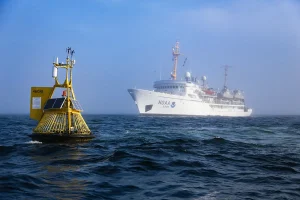
NOAA’s Ocean Acidification Program submitted a Commitment to the international Ocean Acidification Research for Sustainability (OARS) Programme on December 4, 2023.
The NOAA Ocean Acidification Program (OAP), in partnership with the Global Ocean Monitoring and Observing (GOMO) Program is soliciting proposals to optimize sampling strategies that improve carbonate chemistry observing systems co-developed with an observing data product end user.
NOAA”s Ocean Acidification Program (OAP) advances ocean acidification science, education and outreach. The needs of audiences around the nation grows with the advancement of our knowledge. We will assess stakeholder needs nationwide via listening sessions to identify gaps, priorities, and the ways in which we can support people impacted by
NOAA’s Ocean Acidification Program (OAP) is soliciting cruise project proposals to complement core observing activities on existing cruises as part of its upcoming coastal ocean acidification (OA) cruises targeting the US Coastal Large Marine Ecosystems.
The NOAA Ocean Acidification Program on behalf of the National Oceanographic Partnership Program (NOPP) solicits proposals focused on (a) expanding understanding of various aspects of marine Carbon Dioxide Removal (mCDR); (b) understanding associated co-benefits (including ocean acidification mitigation) and risks of marine CDR; and (c) the science needed to build

NOAA invests $18.9M in a coordinated effort to maximize advances in harmful algal bloom (HAB) mitigation, monitoring and forecasting. Four of new research awards support ($1.5M) funded in partnership by NOAA’s National Centers for Coastal Ocean Science (NCCOS) and NOAA’s Ocean Acidification program will determine interactive effects of HABs and ocean

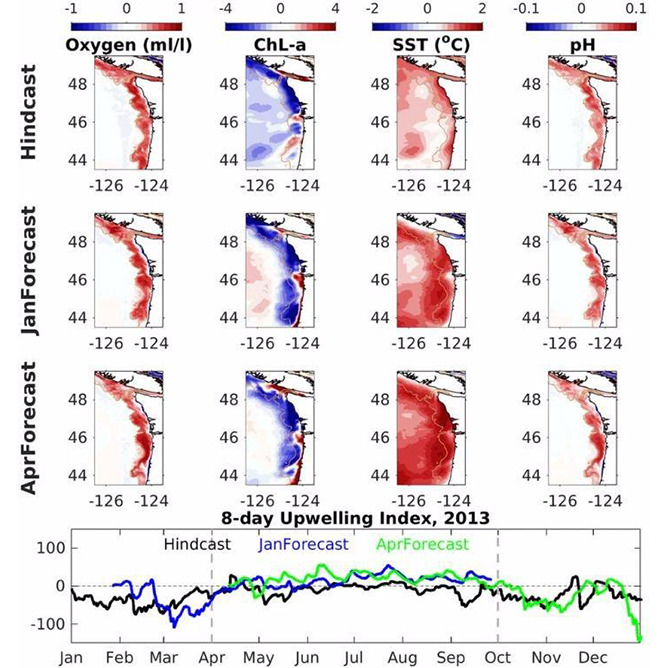
Using models and research to understand the sensitivity of organisms and ecosystems to ocean acidification to make predictions about the future, allowing communities and industries to prepare
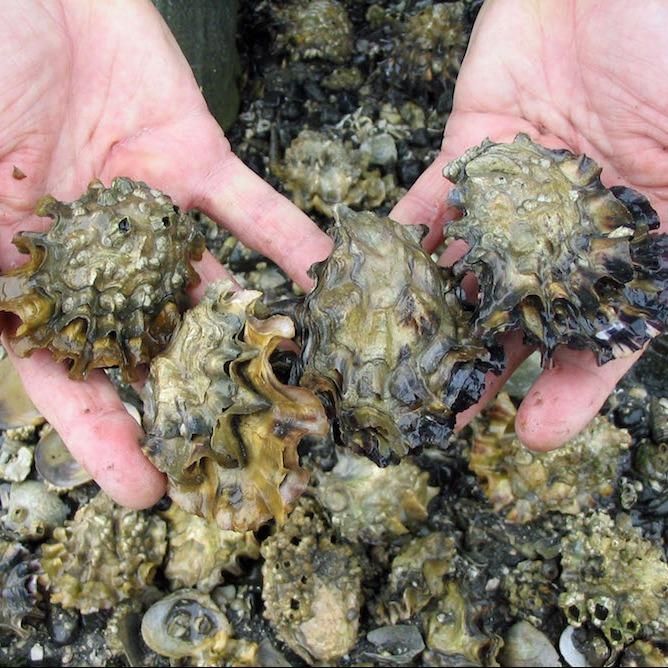
Using these models and predictions as tools to facilitate management strategies that will protect marine resources and communities from future changes
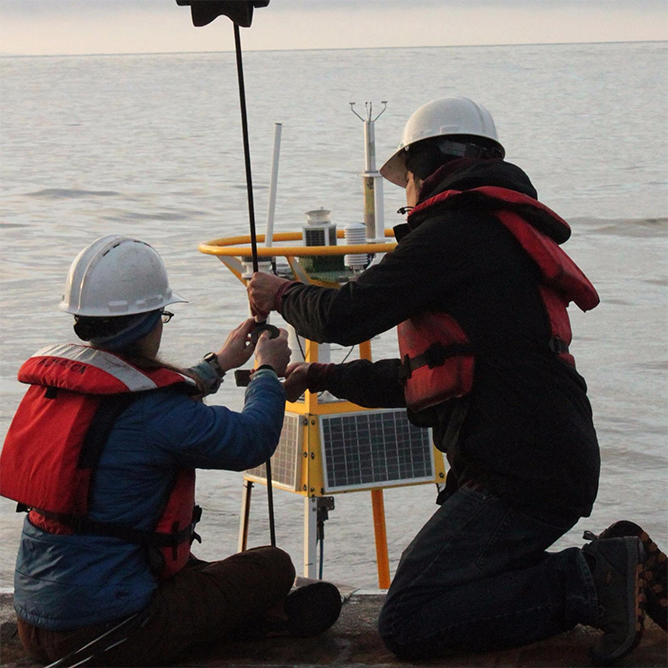
Developing innovative tools to help monitor ocean acidification and mitigate changing ocean chemistry locally