Search News
Categories
The Ocean Acidification Program is soliciting proposals for collaborative projects of up to 3 years in duration that synthesize ocean acidification information at a regional scale (e.g. Large Marine Ecosystem, large estuary or collection of small estuaries, and state or collection of states in US waters) to determine where societal...
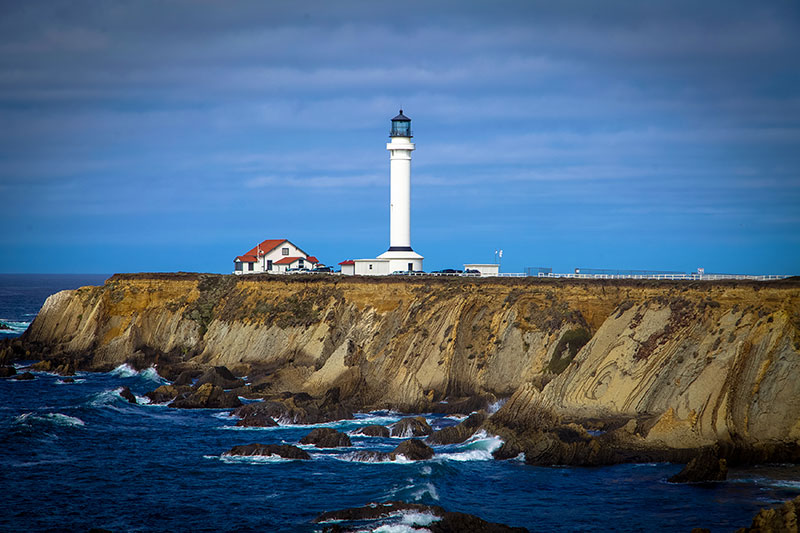
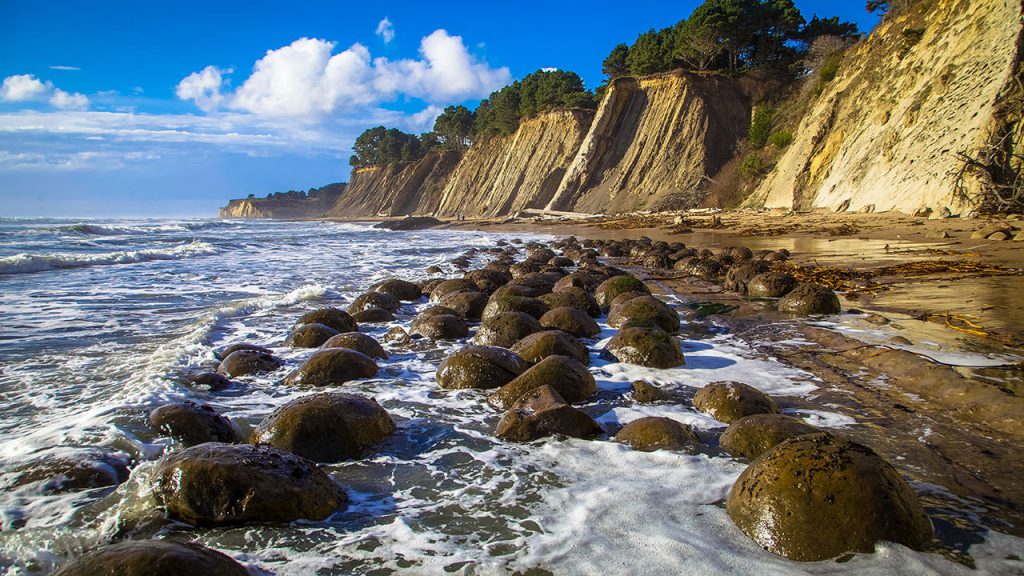
A foggy morning on the central California coastline is a picturesque scene of rolling waves, screeching gulls, and fishermen hauling hefty nets teeming with fish. If you look closely at the net you observe that it is a framework of lines working together to capture a greater amount of fish...
A new model created by scientists at Woods Hole Oceanographic Institution projects - under a worst- case scenario - that warming and increasingly acidic waters could reduce the sea scallop population by more than 50% in the next 30 to 80 years. The bright spot? Fisheries management and efforts to...
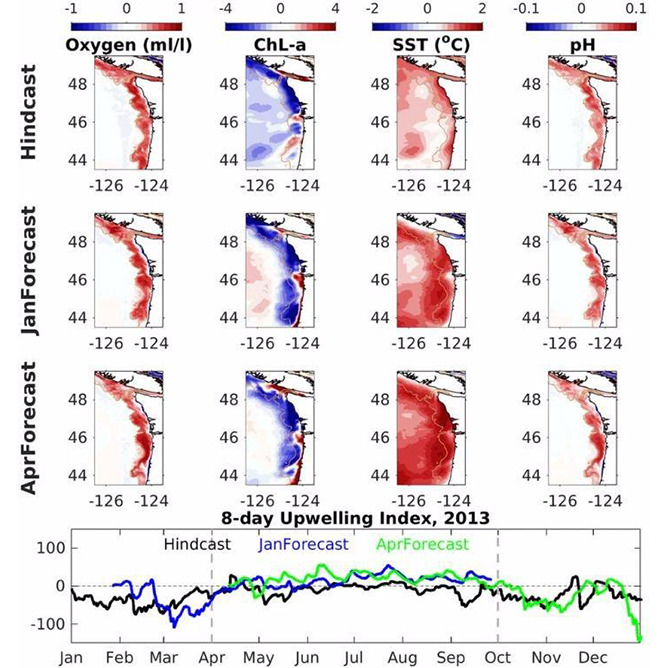
Emma Hodgson, a Liber Ero Postdoctoral Fellow at Simon Fraser University, and her colleagues are making big strides in piecing together the ocean acidification puzzle along the US west coast for those that make decisions around this ocean change. As part of her doctoral research at the <a href="https://www.washington.edu/" target="_blank" rel="nofollow...
Since atmospheric carbon dioxide emissions began to increase after the Industrial Revolution, the acidity of the ocean’s surface waters has increased by 30%. This rising acidity—reflected in falling pH levels—harms shell-building creatures and other marine life. As part of their effort to protect our oceans and the communities that...
Communicating ocean acidification can challenge scientists and educators given the complexity of the chemistry and the often-intangible nature of its impacts. While global ocean acidification describes the changes to water chemistry from atmospheric carbon dioxide, coastal acidification also factors in land-use change, eutrophication and other coastal processes. The Southeast Ocean...