Search News
Categories
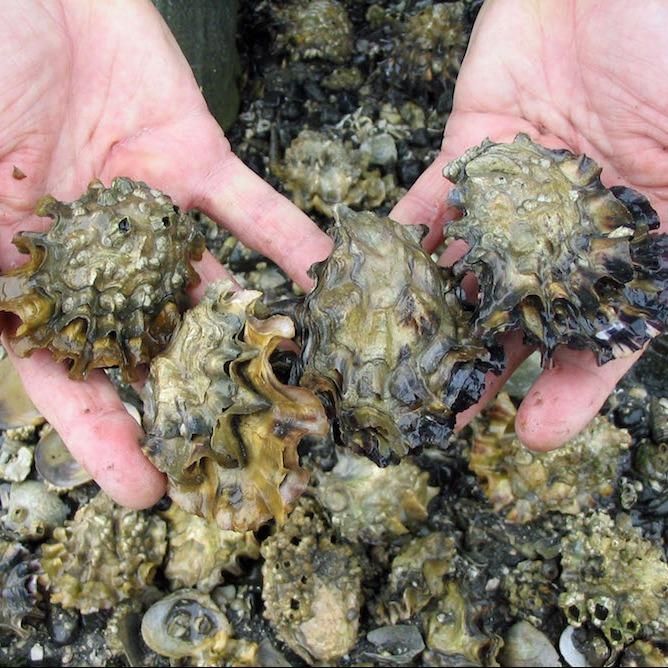
University research teams in Oregon and California are investigating how shellfish-reliant communities along the West Coast perceive and adapt to the threat of ocean acidification. Learn more about this study that integrates social science interviews, biophysical data synthesis, and policy analysis to identify vulnerabilities and improve future resilience for the...
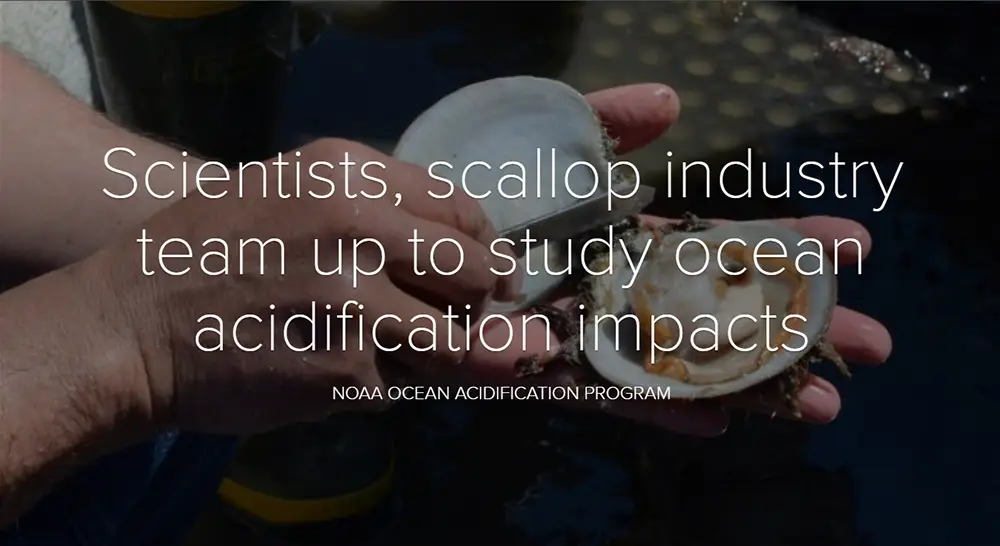
Researchers from NOAA and academic institutions are partnering with the Northeast scallop industry to combine biological experiments with computer modeling to predict the impacts of ocean acidification on this $500 million fishery....
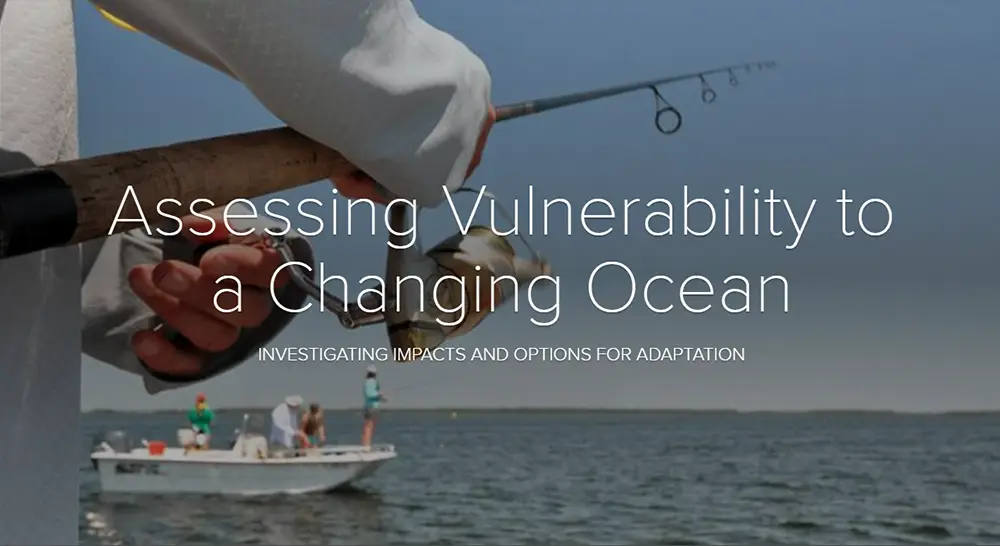
OAP-funded projects in the Northeast, Chesapeake Bay, and West Coast are determining how ocean acidification impacts dependent communities and economies. Learn how these projects are helping the Atlantic sea scallop fisheries, oyster growers and coastal residents address challenges to our changing ocean....
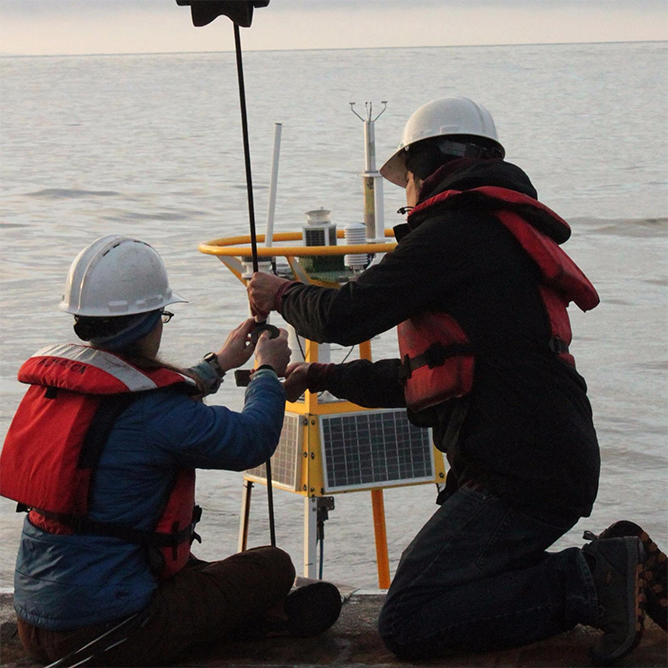
Developed by a student in landlocked Montana, the pHyter is an affordable, handheld sensor designed to make accurate ocean acidification monitoring accessible to students, citizen scientists, and researchers. Learn how this tool became a part of educational curricula that empower students to collect real-time data on ocean health....
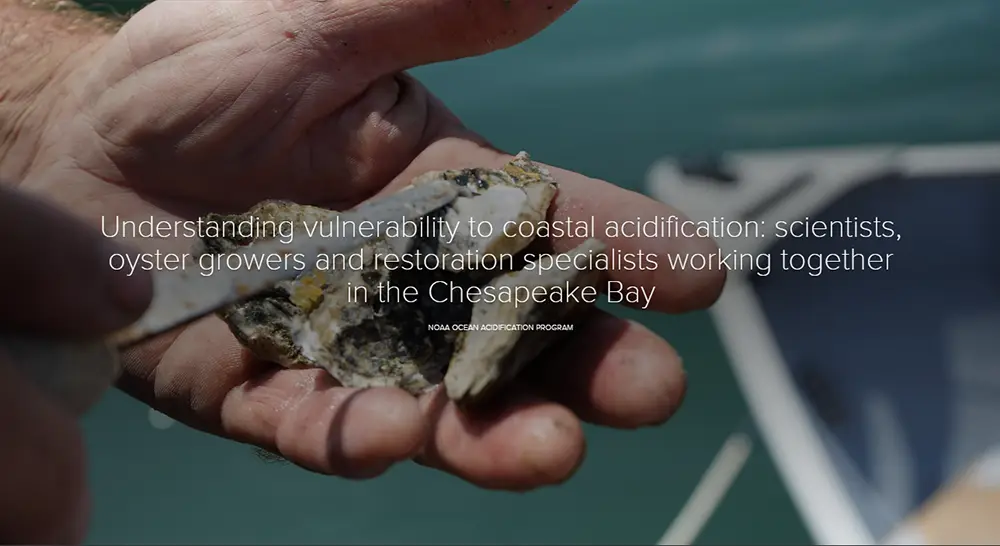
Researchers led by the Virginia Institute of Marine Science are collaborating with Chesapeake Bay oyster growers to address the biological and economic threats posed by ocean acidification. By integrating high-resolution 3D modeling with social science research, the project aims to provide commercial growers with forecasting tools to better protect the...
8.1. The current average pH of the ocean after being reduced significantly from decades of rampant carbon dioxide being pumped into the atmosphere, and ultimately, absorbed by our ocean. But how is pH measured? If a citizen scientist wants to see this for themselves, is it possible? Measuring ocean pH...