

Global Ocean Acidification Observing Network (GOA-ON) Data Explorer
Global Ocean Acidification Observing Network (GOA-ON) Data Explorer Read More »

A unified interface to access all ocean carbon dioxide data products. For more information, check out: Jiang et al. (2026)
Ocean Carbon Dioxide Products hub Read More »

Ocean acidification (OA) occurs when the ocean absorbs carbon dioxide from the atmosphere like sponge. This causes a fundamental and global change in the chemistry of the ocean. Learn all about ocean acidification, it’s causes, consequences and solutions straight from NOAA’s Ocean Acidification Program.
What is Ocean Acidification? Read More »

The Biological Impacts Graphics from MACAN show conditions where negative impacts have been observed and potentially lethal conditions for Mid-Atlantic species. These graphics explore how species are impacted by the natural differences in pH and aragonite saturation values across different coastal and marine habitats.
MACAN Biological Impacts Graphics Read More »

The Northeast Coastal Acidification Network (NECAN) report presents monitoring needs and opportunities for consideration by coastal managers, decision makers, researchers, and monitoring groups. It offers options to apply new capacity or funding to the expansion of OCA monitoring in the NECAN region. The report identifies highly-rated, specific actions that will improve both:
NECAN – 2025 Ocean and Coastal Acidification Monitoring Priorities Read More »
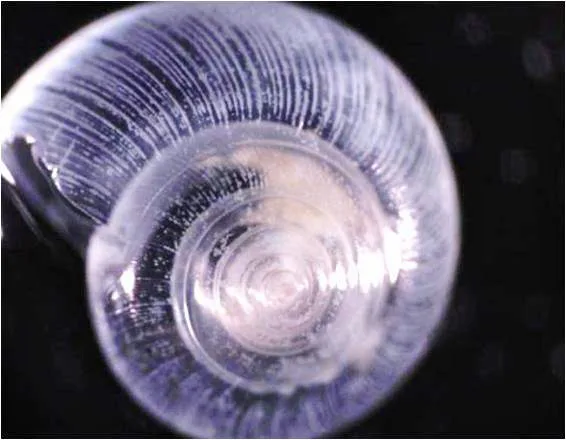
View this fact sheet about investigating ocean acidification along California’s coasts produced by the Southern California Coastal Water Research Project (June 2025).
Investigating the Trajectory of Ocean Acidification in California Read More »

The OA Alliance has partnered with LUMA Storytelling to create a short film featuring OA Alliance members’ stories and experiences tackling ocean acidification and ocean change.
Time for OA Action – a short film Read More »

This report shares the mid-point status of the NOAA Oceans, Coastal and Great Lakes Acidification Research Plan.

This graphic shows how ocean acidification can impede calcification, the process some marine life use to build and maintain their shells and skeletons.
Ocean Acidification illustration by NOAA PMEL Read More »
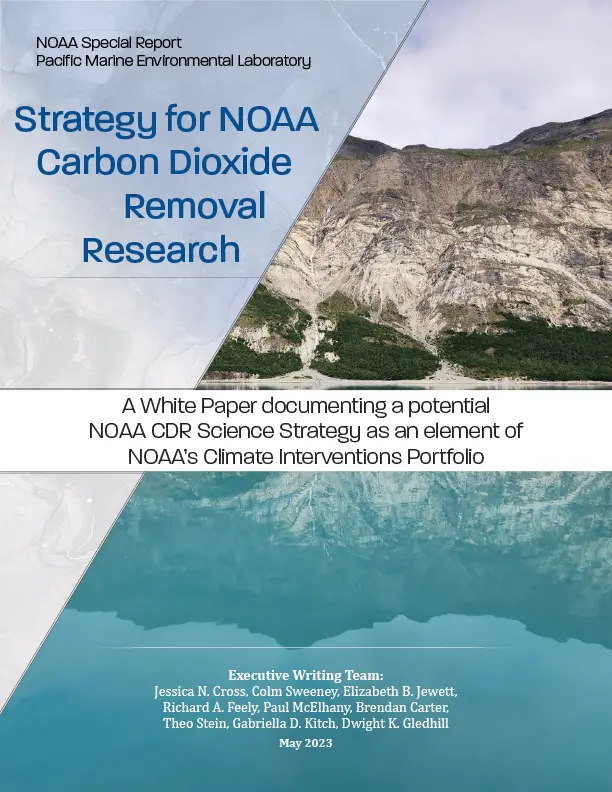
This document is intended to serve as a reference for exploration of carbon removal research at NOAA. It provides strategic direction to relevant labs and programs in multiple line offices within NOAA. The goal has been to assemble as much information as possible in order tofacilitate conversations about Carbon Dioxide Removal (CDR) at a high
Strategy for NOAA Carbon Dioxide Removal Research Read More »

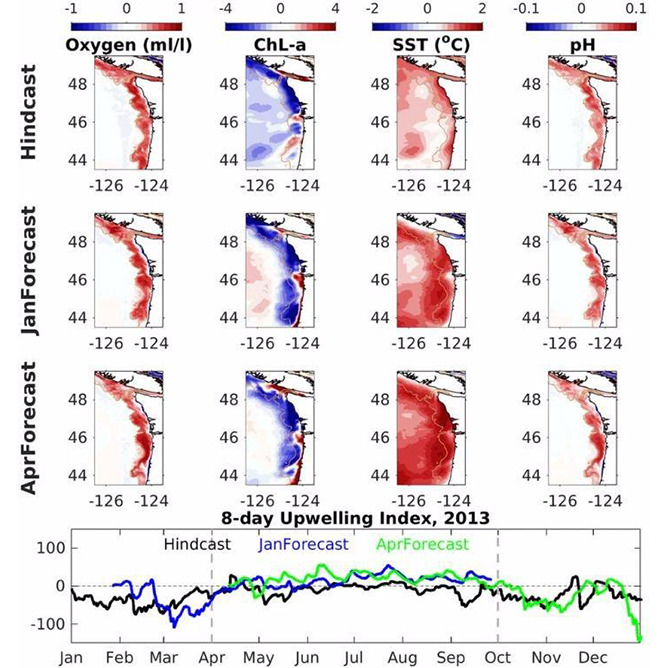
Using models and research to understand the sensitivity of organisms and ecosystems to ocean acidification to make predictions about the future, allowing communities and industries to prepare
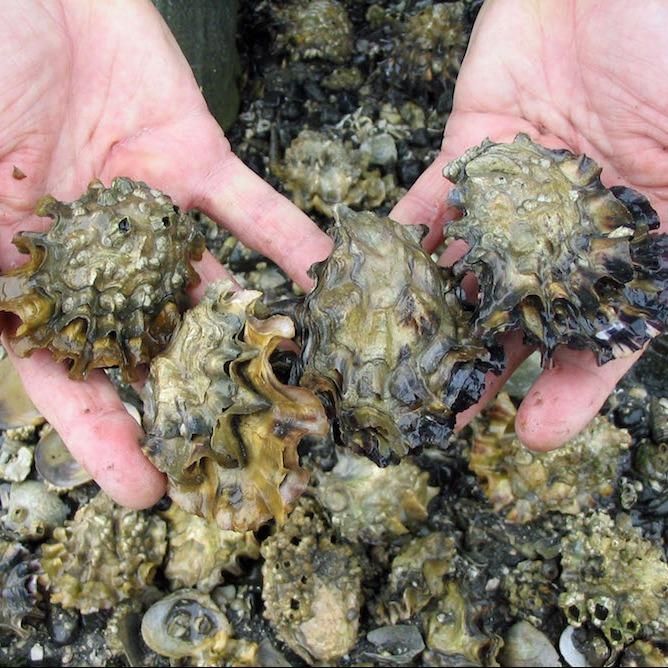
Using these models and predictions as tools to facilitate management strategies that will protect marine resources and communities from future changes
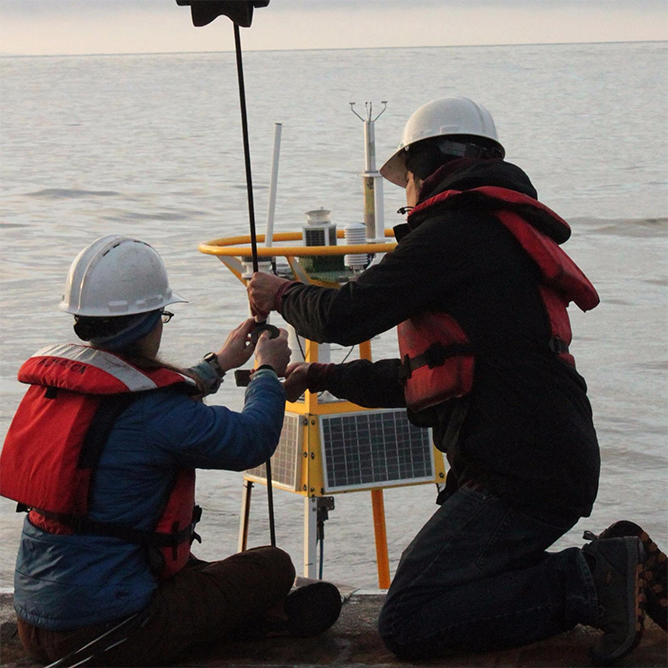
Developing innovative tools to help monitor ocean acidification and mitigate changing ocean chemistry locally