

Ocean Acidification Program News
Check out all of the news and visual webstories produced by the NOAA Ocean Acidification Program.
Ocean Acidification Program News Read More »
Check out all of the news and visual webstories produced by the NOAA Ocean Acidification Program.
Ocean Acidification Program News Read More »

Ocean acidification (OA) occurs when the ocean absorbs carbon dioxide from the atmosphere like sponge. This causes a fundamental and global change in the chemistry of the ocean. Learn all about ocean acidification, it’s causes, consequences and solutions straight from NOAA’s Ocean Acidification Program.
What is Ocean Acidification? Read More »

General information from NOAA Education about ocean acidification (OA) including a brief overview of the past 200 years and the pH scale we use to measure OA.
Ocean Acidification Overview Read More »

Ocean acidification is a complex issue that is being studied and addressed from several viewpoints, in various locations, and for different issues. Within the sanctuary system, sanctuary sites across the country and United States territories are studying how this change in ocean chemistry will and already is affecting their sites. Some sites are being hit
National Marine Sanctuaries Ocean Acidification Background Read More »

This graphic shows how ocean acidification can impede calcification, the process some marine life use to build and maintain their shells and skeletons.
Ocean Acidification illustration by NOAA PMEL Read More »

NOAA Fisheries presents how our oceans are absorbing increasingly more carbon dioxide from the atmosphere, leading to lower pH and increased acidity. Learn about the impacts of ocean acidification (OA) on people and society and what we can do to mitigate and adapt.
Understanding Ocean Acidification Read More »

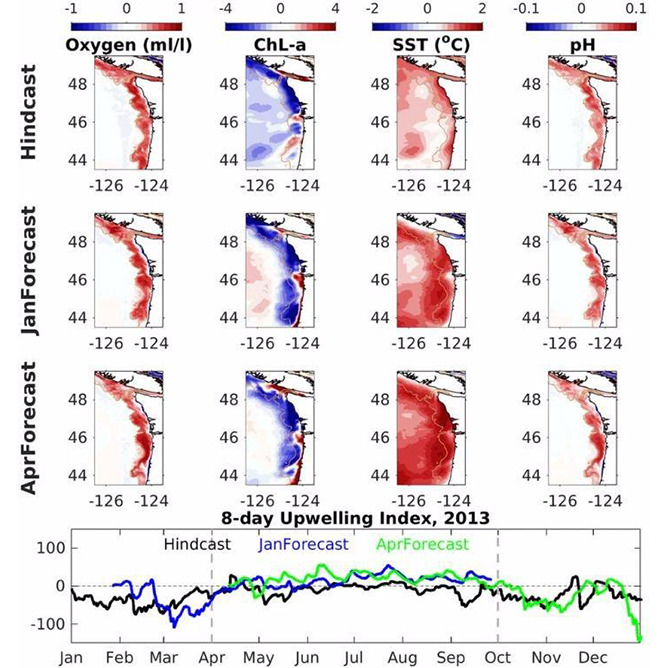
Using models and research to understand the sensitivity of organisms and ecosystems to ocean acidification to make predictions about the future, allowing communities and industries to prepare
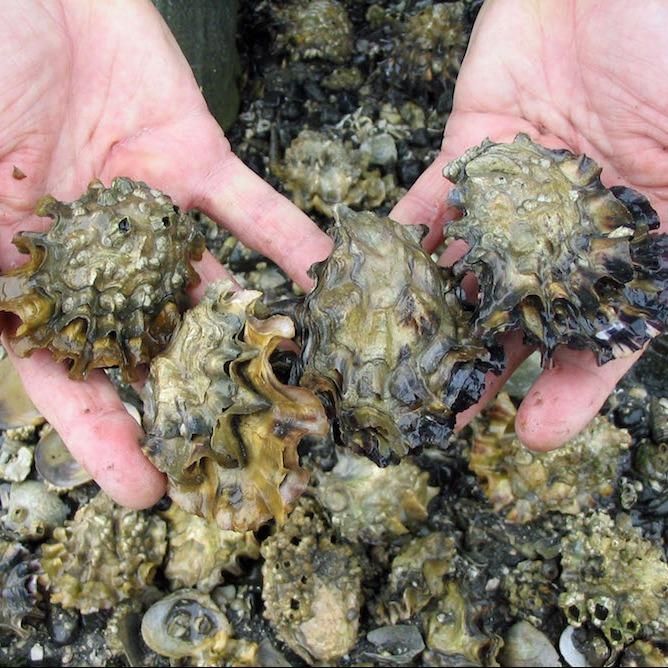
Using these models and predictions as tools to facilitate management strategies that will protect marine resources and communities from future changes
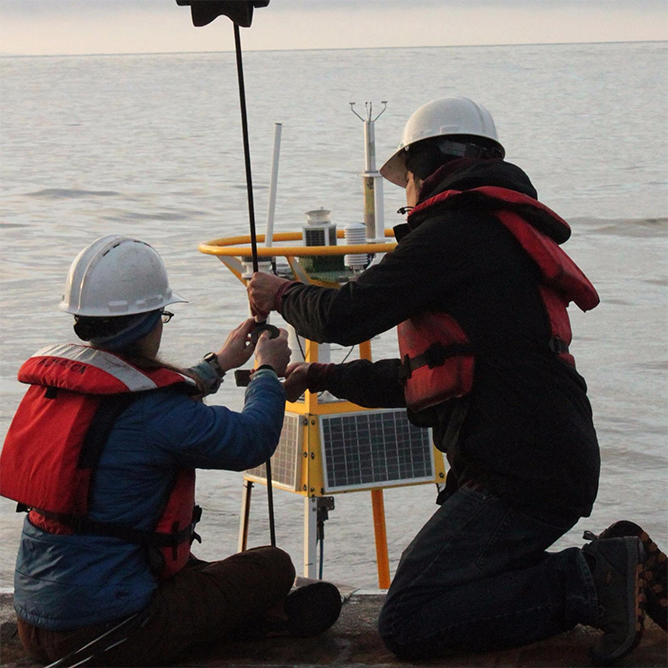
Developing innovative tools to help monitor ocean acidification and mitigate changing ocean chemistry locally

