
Gullah/Geechee Nation OA Plan
Gullah/Geechee Nation OA Plan Read More »
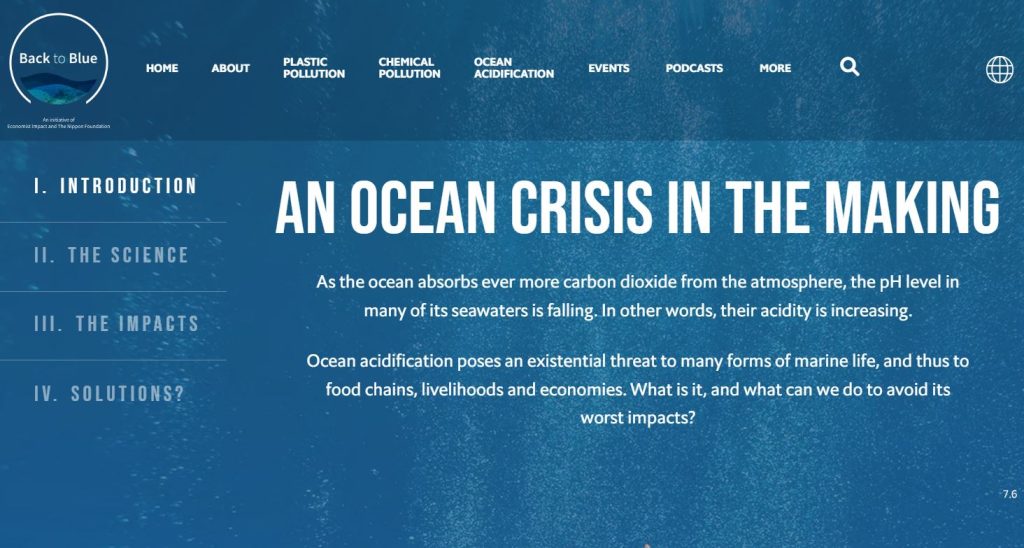
Back to Blue visually presents ocean acidification science, impacts and solutions in a plain-language webstory. (2022)
Back To Blue Ocean Acidification Webstory Read More »
Sharing Ocean Acidification Resources for Communicators and Educators (SOARCE) webinar series provides ocean acidification communication tools to formal and informal educators, stakeholders, and rightsholders across the country. SOARCE promotes a more integrated and effective ocean acidification education community by sharing activities and resources virtually. The ocean acidification education and communication communities can use and create
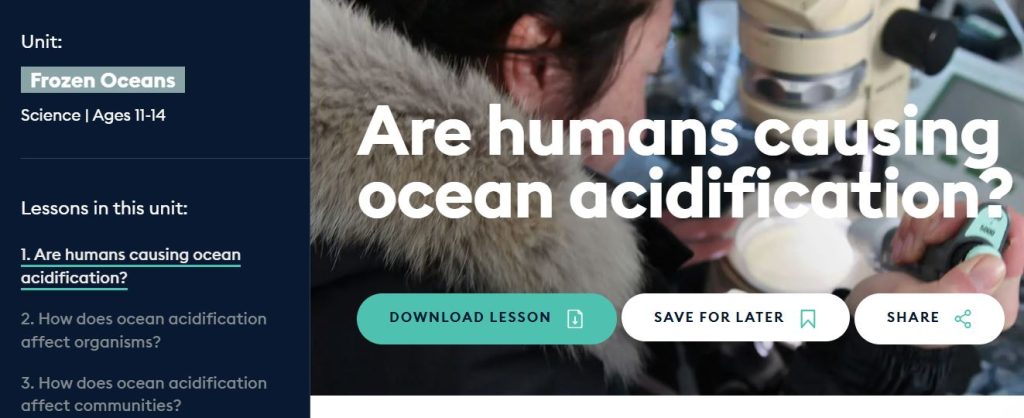
Frozen Ocean is a curriculum for students ages 11-14 to learn about ocean acidification in the arctic, based on research by Helen Finlay.
Frozen Ocean – Online curriculum Read More »
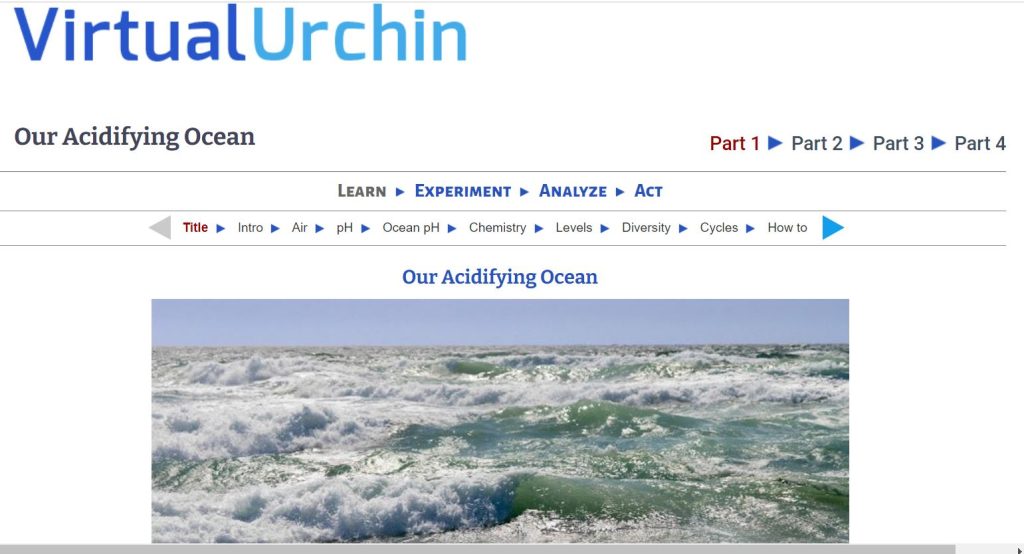
Four module online and mobile friendly curriculum for students to experiment and learn about ocean acidification, it’s impacts, and actions students can take. Available in five languages. Based on real sea urchin research.
Virtual Urchin: Our Acidifying Ocean Read More »

Alaska Ocean Acidification Network’s poster on what species are at risk with ocean acidification in Alaska. (2021)
Ocean Acidification Impacts On Alaska Fish And Shellfish Read More »

Find out more about ocean acidification in Alaska and the Alaska Ocean Acidification Network. Read about activities happening in the area and connect with the community.
Alaska OA Network Poster Read More »

Learn about how a combination of scientific monitoring, innovative technology, and community-led action is helping to build resilience in marine ecosystems and protect vital fisheries.
Building resilience to ocean acidification from sea to shell Read More »

Accelerating Ocean Acidification Sensor Development Why we careAfter nearly a decade, the NOAA Ocean Acidification Observing Network (NOA-ON) has reached the maturity level where a sustained effort to refresh its core technology, the Moored Autonomous pCO2 (MAPCO2), is necessary to maintain the current monitoring level. There is also the pressing need to develop technology to
Technology Refresh: Accelerating OA Sensor Development Read More »

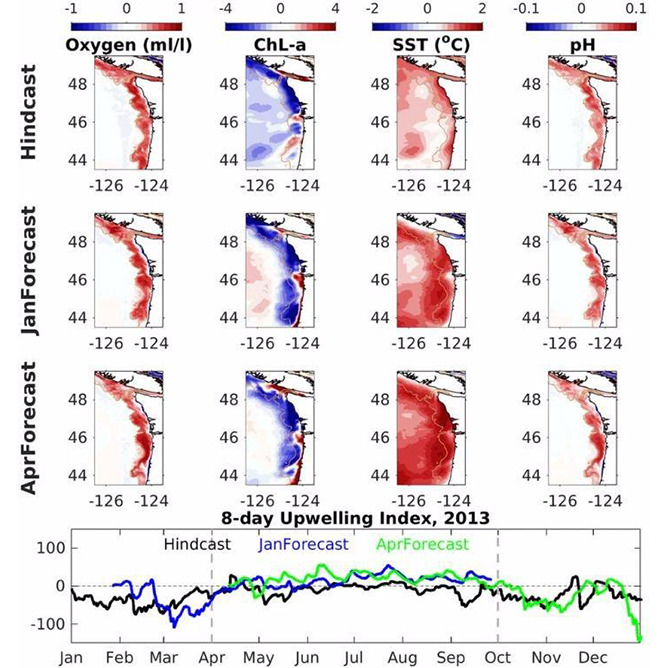
Using models and research to understand the sensitivity of organisms and ecosystems to ocean acidification to make predictions about the future, allowing communities and industries to prepare
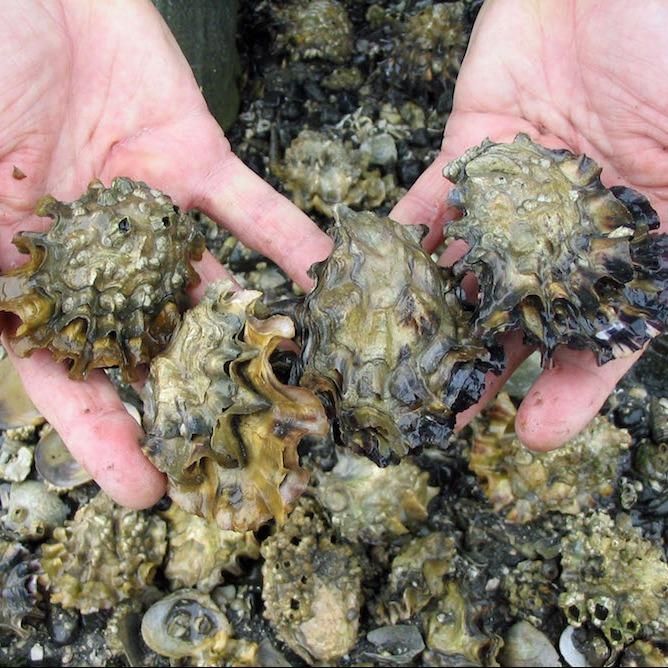
Using these models and predictions as tools to facilitate management strategies that will protect marine resources and communities from future changes
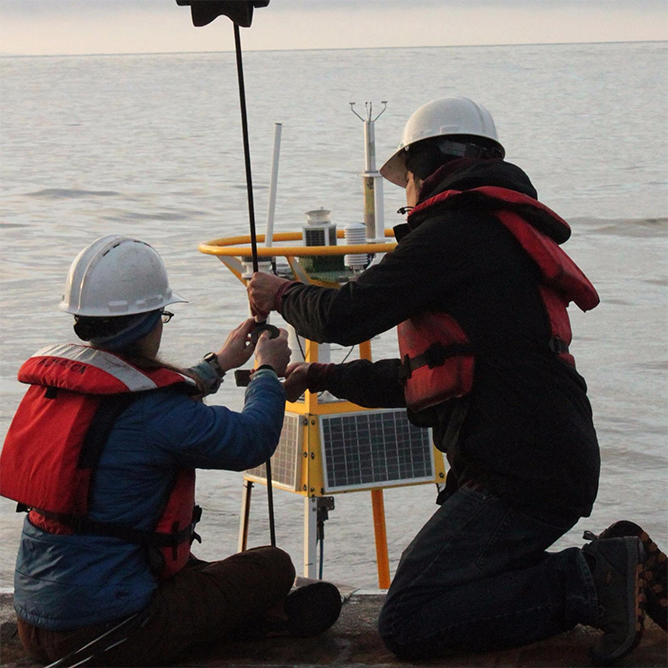
Developing innovative tools to help monitor ocean acidification and mitigate changing ocean chemistry locally