Official websites use .gov
A .gov website belongs to an official government organization in the United States.

Secure .gov websites use HTTPS
A lock ( ) or https:// means you’ve safely connected to the .gov website. Share sensitive information only on official, secure websites.

From Response to Resilience: Celebrating 15 Years of NOAA’s Ocean Acidification Program

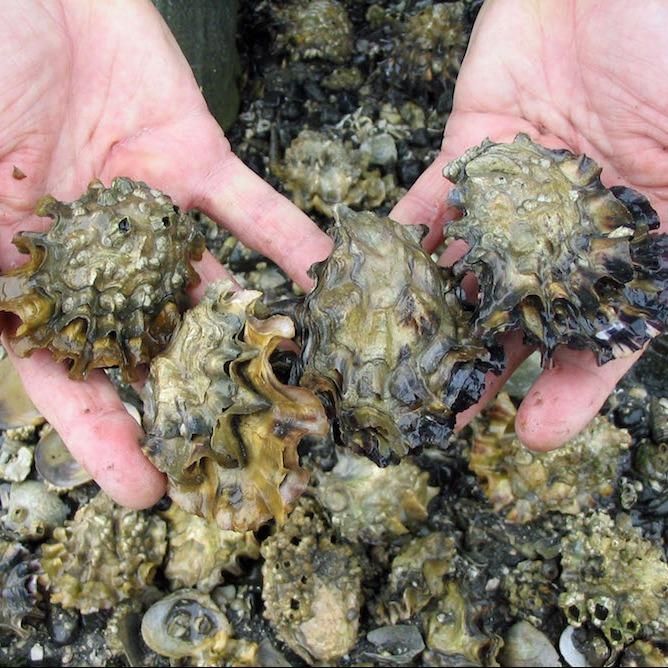
An oyster grower in Yaquina Bay, Oregon

Background image:

Image: Oyster larvae (NOAA)

Fifteen years ago, oyster hatcheries on the West Coast faced an invisible crisis. Oyster larvae were dying by the billions from an unknown culprit, threatening a multi-million dollar industry and families’ livelihoods. Oyster growers turned to scientists to uncover the hidden threat – changing ocean chemistry that brought more corrosive waters to western shores.

Now, our nation is no longer flying blind. Congressional action empowered NOAA’s Ocean Acidification Program (OAP) to better understand ocean and coastal acidification (OA) and its ecological and economic impacts.

Highlights include:

  • OAP’s work helps harvesters of the nation’s most valuable shellfish fisheries understand a changing ocean and how they can adapt to keep up production.
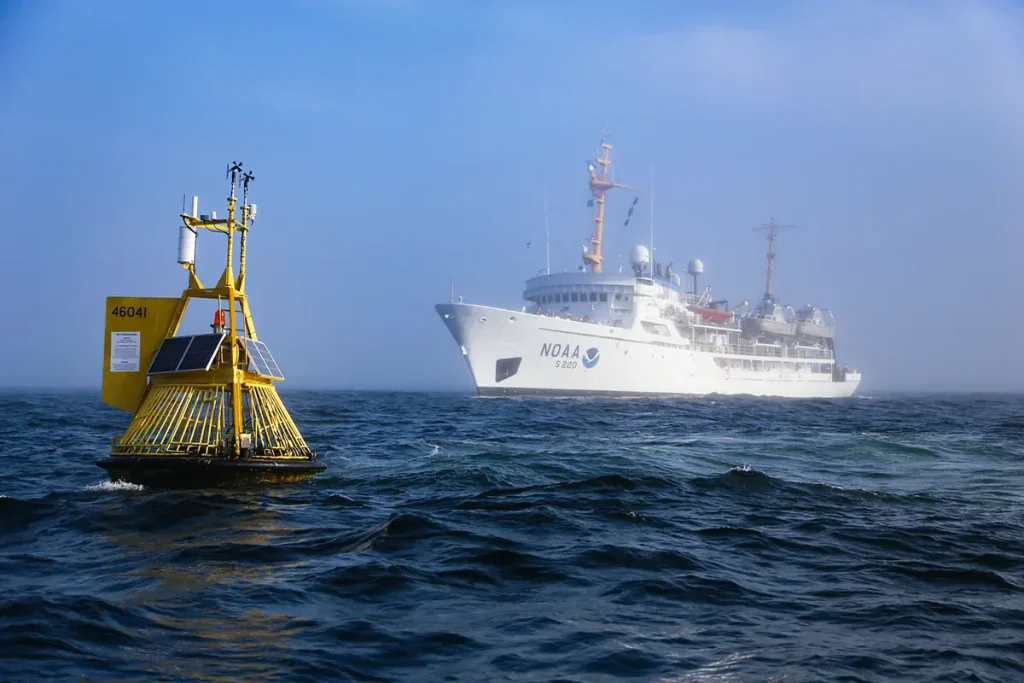
  • OAP established the first-ever dedicated national ocean acidification observing network
  • Our science has advanced from from collecting observations to putting them to use in models and forecasts that enable. community and industry planning
  • OAP leads interagency coordination and outreach to on-the-ground communities most impacted by a ocean acidification.

Key Insight: Hatcheries on the West Coast were pumping in local water during upwelling, a natural process that has been delivering more corrosive waters to the surface due to OA. Technological advances allow hatcheries to measure acidity in real-time, and adjust the acidity of the water to protect oysters as they grow. Today, OAP helps growers prepare for continued OA from investigating practices from seawater to genes.

Recognizing the severe ecological and economic threats posed by OA, Congress passed the Federal Ocean Acidification Research and Monitoring Act (FOARAM) of 2009, officially establishing NOAA’s Ocean Acidification Program. Recently reauthorized under the CHIPS and Science Act of 2022, this mandate charged OAP with the critical mission to monitor ocean chemistry, understand its impacts on marine life, and give communities the information and tools they need to adapt.

Background Image: 

From water chemistry to resilience

This year marks OAP’s fifteenth year on the frontlines of ocean acidification. Our understanding has evolved far beyond the initial identification of this ocean crisis. A robust observing network that powers modern forecasts now stands. This set the foundation to then unravel the complex sensitivities of many marine species, and deliver essential tools that communities rely on to secure their livelihoods and futures.

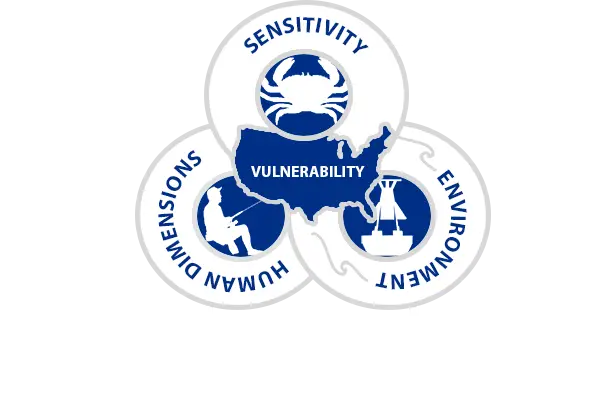
The trifecta for OA research: sensitivity, environment, and human dimensions

2007-2009

West Coast Oyster Crisis

hand holding an oyster above a tank full of oysters
Oyster at Whiskey Creek Shellfish Hatchery (Oregon State University)

The regional shellfish industry neared total collapse; hatcheries like Whiskey Creek in Oregon lost up to 75%–80% of their larvae.

Die-offs linked to acidification

2008-2009

Scientists officially link the massive die-offs to seasonal upwelling bringing low-pH, corrosive acidic water to the surface

Tiny oyster larvae size comparison to a nickel
18-day oyster from Whiskey Creek Hatchery (Oregon Sea Grant)

2009

Congress takes action

a group of people testifying at a hearing
Richard Feely, Joan Kleypas, Scott Doney, Ken Caldeira, and Brad Warren testify before the U.S. House in June 2008. (U.S. House Committee on Science, Space, and Technology)

Congress passed the Federal Ocean Acidification Research and Monitoring Act (FOARAM) that mandates a coordinated federal research, monitoring, and interagency planning to understand and prepare our nation for the ecological and economic impacts of ocean and coastal acidification.

Interagency working group formed

2010

The Interagency Working Group on Ocean Acidification (IWG-OA) was established to coordinate federal research, optimize ocean monitoring networks, and analyze the socioeconomic impacts of ocean acidification.

IWGOA logo

2011

Established NOAA’s Ocean Acidification Program

Dr. Libby Jewett was the first director of the Ocean Acidification Program, charged with coordinating and implementing NOAA’s legislative mandates, positioning NOAA OAP as a global leader in OA.

Dr. Libby Jewett
Dr. Libby Jewett

Expanding the observing network and species response research

2015

OAP builds the NOAA Ocean Acidification Observing Network and advances research on the sensitivity to ocean acidification by marine life.

2017

First regional Resilience and Vulnerability Assessments

Bringing socioeconomic data to what we know about OA conditions and species sensitivity, communities and industries can better prepare for impacts.

OAIE Online Community of Practice formed

2018

The Ocean Acidification Information Exchange (OAIE) serves as a community of practice to exchange information within the research community and beyond to decision makers as a key mandate of the FOARAM Act.

2020s

Delivering decision support tools

OA Visualization from the Chesapeake Bay Environmental Forecasting System
Chesapeake Bay Environmental Forecast System (CBEFS)

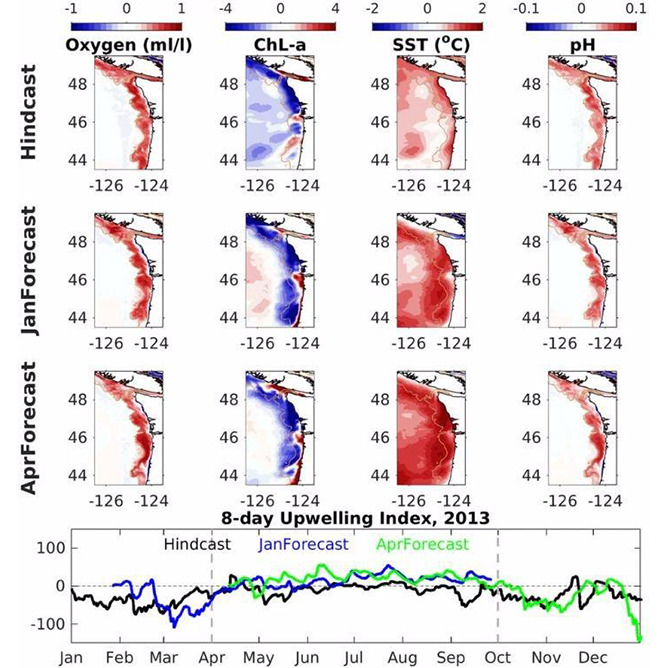
From indicator and vulnerability maps to daily forecasts, OAP works to get information into the hands of people who need it most.

FOARAM reauthorized

2022

CHIPS Act reauthorizes and adds coastal acidification to mandates.

2026+

Advancing forecasting and adaptation

Bioeconomic modeling to inform Alaska fisheries management

Fishing Dock in Juneau Alaska
Image credit: Allen Shimada, NOAA NMFS

Bioeconomic models are a multidisciplinary tool that use oceanography, fisheries science and social science to assess socioeconomic impacts. Funded by the Ocean Acidification Program, researchers at the Alaska Fisheries Science Center use a bioeconomic model to study the impacts of ocean acidification on Eastern Bering Sea crab, northern rock sole and Alaska cod. The goal is to predict how ocean acidification will affect abundance yields and income generated by the fisheries. This work informs the potential economic impacts of ocean acidification and future decision making and research planning.

More about this work

Effects of ocean acidification and temperature on Alaskan crabs

Red King Crab
Image credit: David Csepp, NMFS AKFSC ABL

Long-term declines of red king crab in Bristol Bay, Alaska may be partially attributed to ocean acidification conditions. These impacts may be partially responsible for the fishery closures during the 2021–2022 and 2022–2023 seasons. Researchers found that ocean acidification negatively impacts Alaskan crabs generally by changing physiological processes, decreasing growth, increasing death rates and reducing shell thickness. Funded by the Ocean Acidification Program, scientists at the Alaska Fisheries Science Center continue to investigate the responses of early life history stages and study the potential of various Alaska crabs to acclimate to changing conditions. Results will inform models that will use the parameters studied to predict the effects of future ocean acidification on the populations of red king crab in Bristol Bay as well as on the fisheries that depend on them. Fishery managers will better be able to anticipate and manage stocks if changing ocean chemistry affects stock productivity and thus the maximum sustainable yield.

More about this work

Forecasts for Alaska Fisheries

Crab pots and fishing nets in Alaska's Dutch Harbor
Image credit: Michael Theberge

Understanding seasonal changes in ocean acidification in Alaskan waters and the potential impacts to the multi-billion-dollar fishery sector is a main priority. Through work funded by NOAA’s Ocean Acidification Program, the Pacific Marine Environmental Laboratory developed a model capable of depicting past ocean chemistry conditions for the Bering Sea and is now testing the ability of this model to forecast future conditions. This model is being used to develop an ocean acidification indicator provided to fisheries managers in the annual NOAA Eastern Bering Sea Ecosystem Status Report.

ADAPTING TO OCEAN ACIDIFICATION

The NOAA Ocean Acidification Program (OAP) works to prepare society to adapt to the consequences of ocean acidification and conserve marine ecosystems as acidification occurs. Learn more about the human connections and adaptation strategies from these efforts.

Adaptation approaches fostered by the OAP include:

FORECASTING

Using models and research to understand the sensitivity of organisms and ecosystems to ocean acidification to make predictions about the future, allowing communities and industries to prepare

Closeup of oysters cupped in someone's hands

MANAGEMENT

Using these models and predictions as tools to facilitate management strategies that will protect marine resources and communities from future changes

TECHNOLOGY DEVELOPMENT

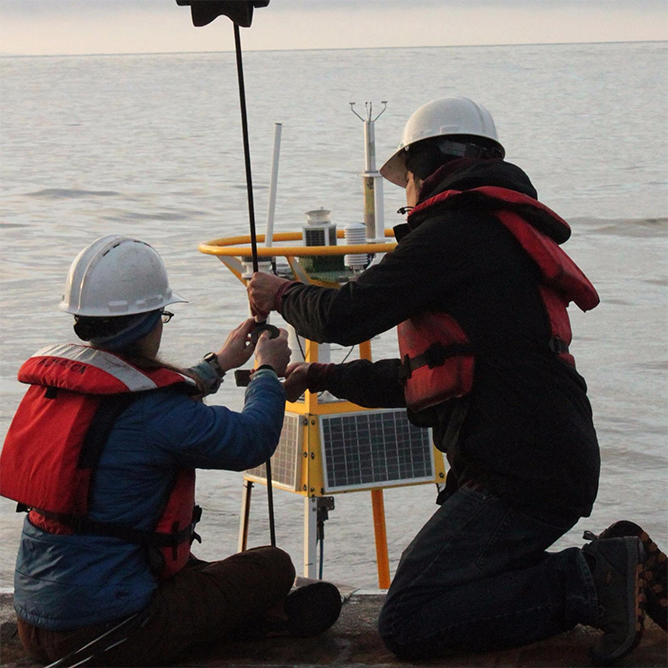
Developing innovative tools to help monitor ocean acidification and mitigate changing ocean chemistry locally

REDUCING OUR CARBON FOOTPRINT

On the Road

Drive fuel-efficient vehicles or choose public transportation. Choose your bike or walk! Don't sit idle for more than 30 seconds. Keep your tires properly inflated.

With your Food Choices

Eat local- this helps cut down on production and transport! Reduce your meat and dairy. Compost to avoid food waste ending up in the landfill

With your Food Choices

Make energy-efficient choices for your appliances and lighting. Heat and cool efficiently! Change your air filters and program your thermostat, seal and insulate your home, and support clean energy sources

By Reducing Coastal Acidification

Reduce your use of fertilizers, Improve sewage treatment and run off, and Protect and restore coastal habitats

TAKE ACTION WITH YOUR COMMUNITY

You've taken the first step to learn more about ocean acidification - why not spread this knowledge to your community?

Every community has their unique culture, economy and ecology and what’s at stake from ocean acidification may be different depending on where you live.  As a community member, you can take a larger role in educating the public about ocean acidification. Creating awareness is the first step to taking action.  As communities gain traction, neighboring regions that share marine resources can build larger coalitions to address ocean acidification.  Here are some ideas to get started:

  1. Work with informal educators, such as aquarium outreach programs and local non-profits, to teach the public about ocean acidification. Visit our Education & Outreach page to find the newest tools!
  2. Participate in habitat restoration efforts to restore habitats that help mitigate the effects of coastal acidification
  3. Facilitate conversations with local businesses that might be affected by ocean acidification, building a plan for the future.
  4. Partner with local community efforts to mitigate the driver behind ocean acidification  – excess CO2 – such as community supported agriculture, bike & car shares and other public transportation options.
  5. Contact your regional Coastal Acidification Network (CAN) to learn how OA is affecting your region and more ideas about how you can get involved in your community
       More for Taking Community Action