Project Search
Are you looking for reporting templates for your project?
Search
Sort Results
Refine Results
Focus Area
Region
Principal Investigator(s)
Project Partners
- PI(s): Samantha Siedlecki, Lisa Colburn and Shannon Meseck
- Fiscal Year Funded: 2020, 2021, 2022, 2023
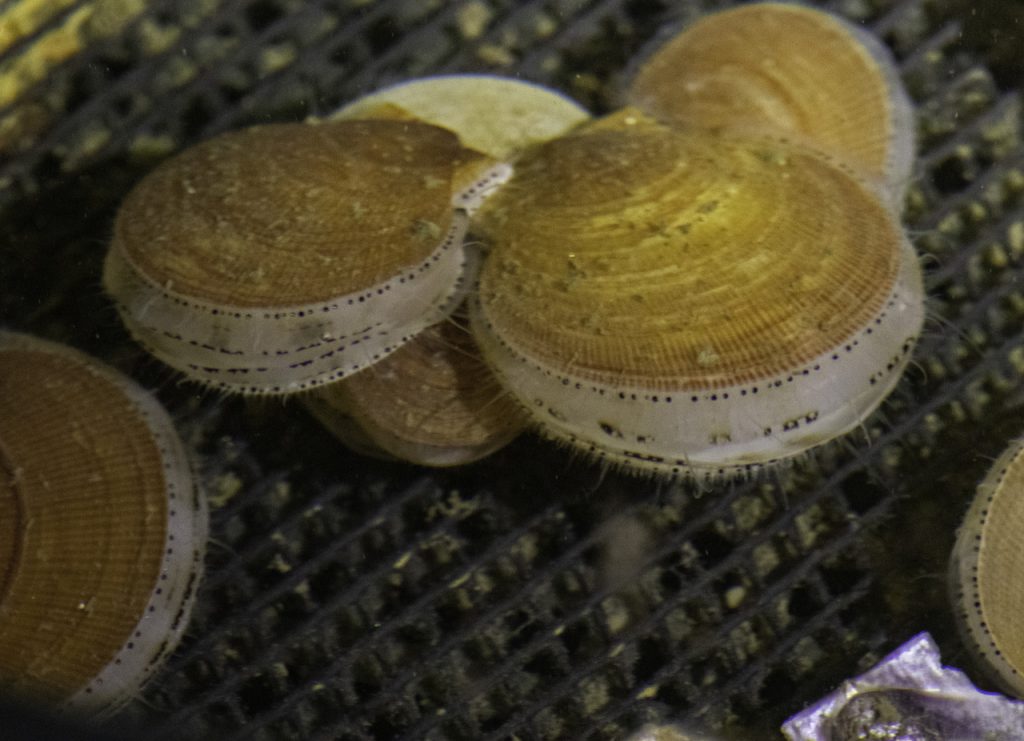
The project’s main objective is to determine the social and ecological vulnerability of the sea scallop fishery to ocean acidification and temperature changes...
- PI(s): Samantha Siedlecki
- Fiscal Year Funded: 2020, 2021, 2022
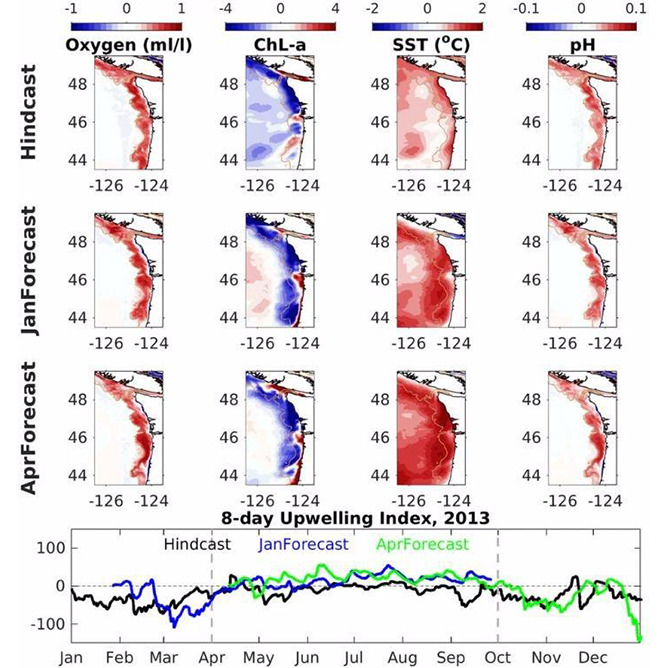
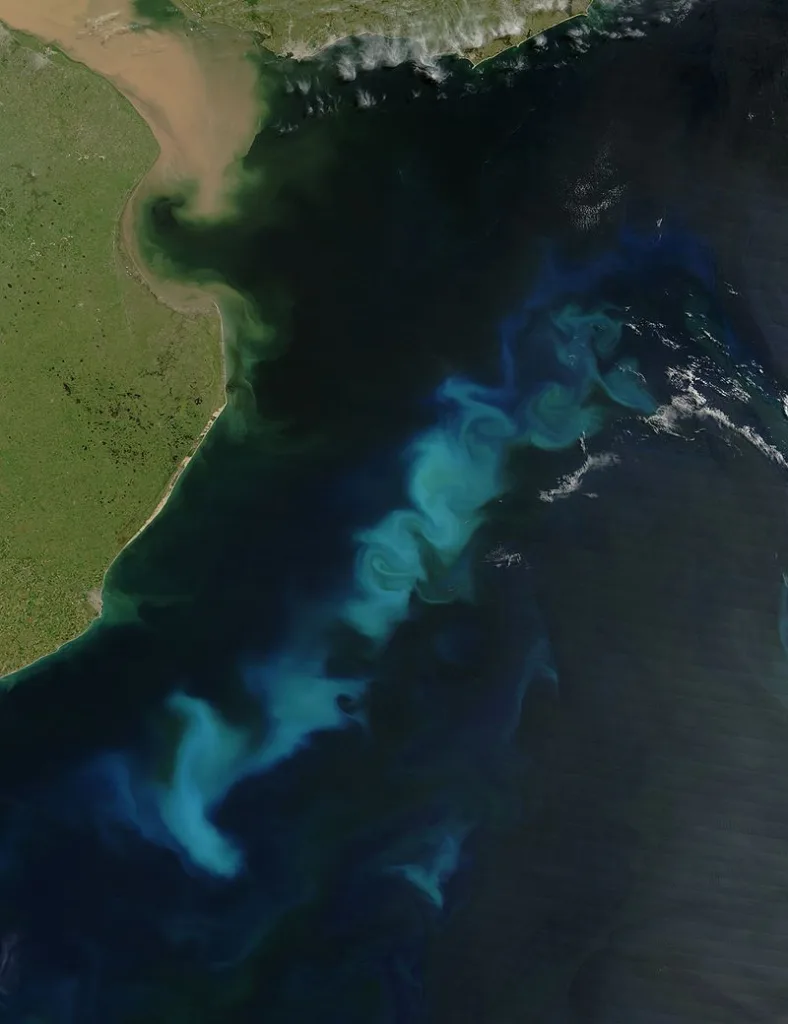
This sustained investment continues to develop and produce seasonal forecasts of ocean acidification variability on the West Coast to inform fisheries management...
- PI(s): Denis Pierrot
- Fiscal Year Funded: 2020, 2021, 2022, 2023
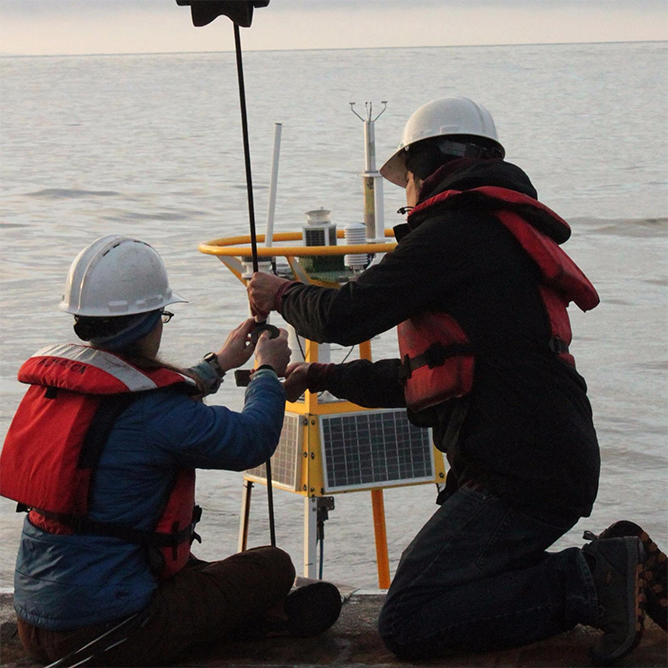
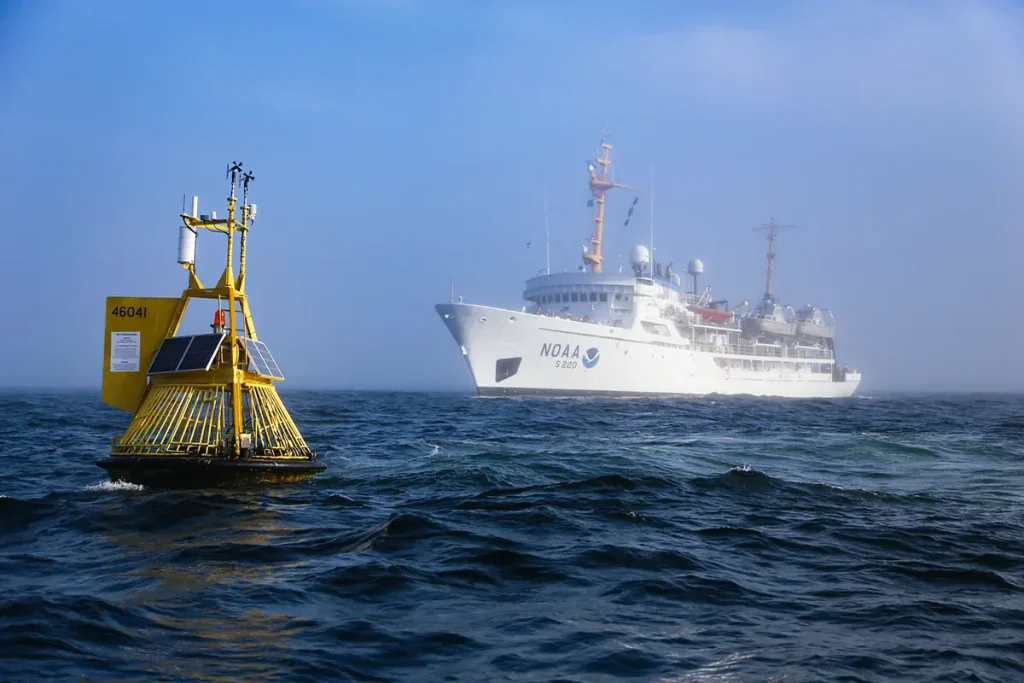
Researcher augment existing monitoring of the carbonate system to build capacity on the East and Gulf coasts...
- PI(s): Marjy Friedrichs
- Fiscal Year Funded: 2018
- Grant Award # NA18OAR0170430
- Partners: Virginia Institute of Marine Science
Acidification in brackish estuarine environments, such as the Chesapeake Bay, is intensified by coastal inputs such as runoff, atmospheric pollution and freshwater sources. The Chesapeake Bay is home to commercial..

Among the NOAA designated Large Marine Ecosystems, the Gulf
of Mexico (GOM) remains poorly understood in terms of its current OA conditions, despite its
ecological and economic significance...
of Mexico (GOM) remains poorly understood in terms of its current OA conditions, despite its
ecological and economic significance...
The U.S. Northeast Shelf Large Marine Ecosystem, supports some of the nation’s most economically valuable coastal fisheries, yet most of this revenue comes from shellfish that are sensitive to ocean..