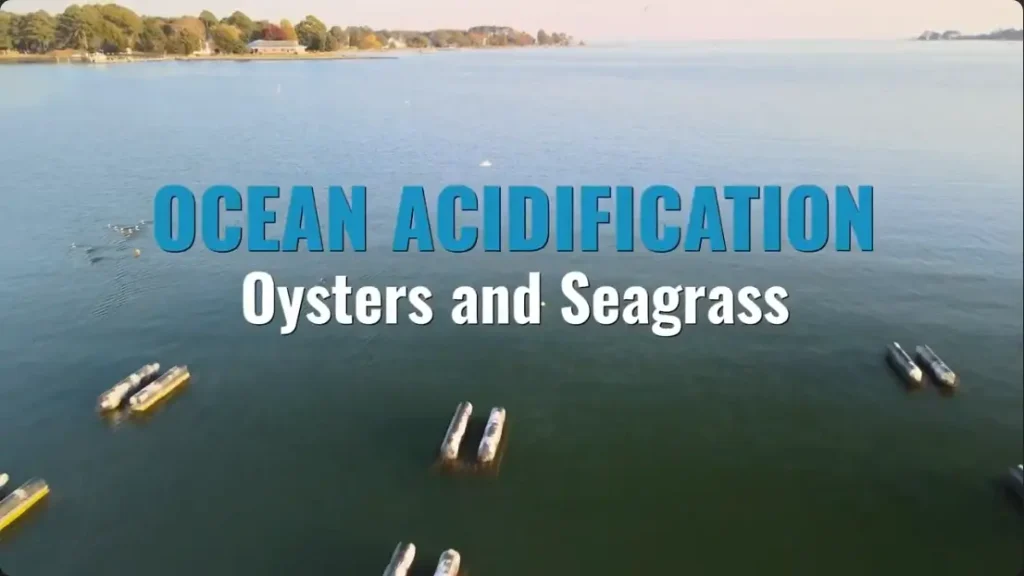
Ocean Acidification: Oysters and Seagrass (Spanish Subtitiles)
Ocean Acidification: Oysters and Seagrass (Spanish Subtitiles) Read More »
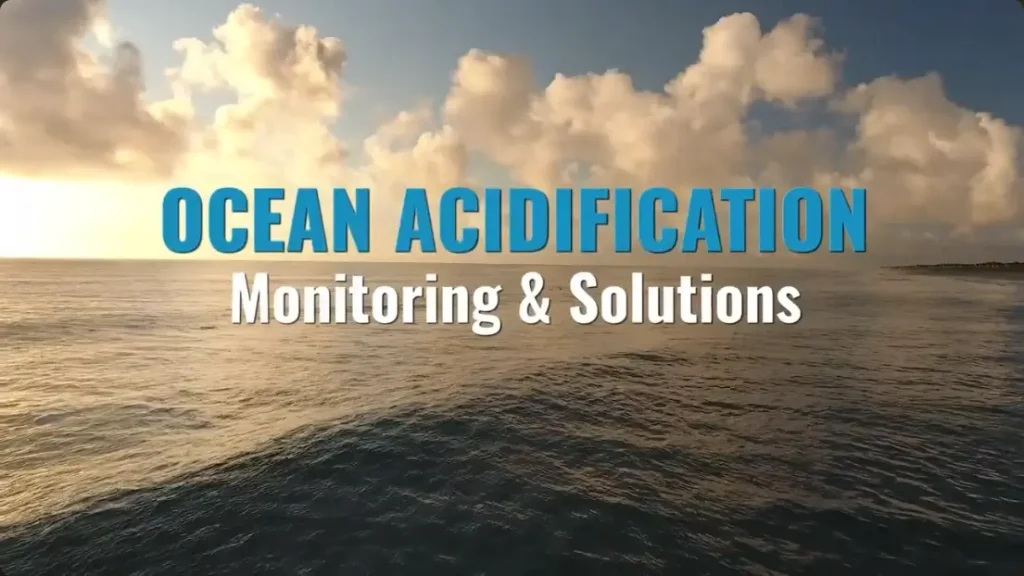
Technological advances in acidification monitoring and ocean carbon dioxide removal can help reduce ocean acidification’s impacts to Mid-Atlantic fisheries and local economy. In this video, we explore how scientists use underwater robots (gliders) to help fishery managers identify “hotspots” of acidification. Find out how innovative carbon removal strategies like enhancing the ocean’s ability to buffer
Ocean Acidification: Monitoring and Solutions Read More »

Learn how carbon dioxide is produced, how it traps heat, how NOAA monitors it, and how rising levels impact our climate & ecosystems.
Understanding CO2 Video – Part 1 Read More »

This fact sheet from the University of Alaska Fairbanks presents how juvenile pink salmon respond to the direct effect of future ocean acidification and reduced food availability..
Ocean Acidification and Alaska Pink Salmon Read More »

Bioeconomic Implications for Alaska’s Salmon Fisheries
Thresholds in a Changing Ocean Environment Read More »

Laboratory experiments simulate future conditions to help predict the climate resilience of a valuable Alaska fish.
Tracking Changes in Alaska Marine Ecosystems Read More »

Chesapeake Bay, the largest estuary in the continental United States, has strong spatial gradients and high temporal variability in water conditions that are not easily captured by discrete (single timepoint) field measurements. This archive provides an atlas of physical and biogeochemical conditions for the Chesapeake Bay based on numerical model results of 1985-2023. The atlas
Chesapeake Bay Modeling Data Tool (1985-2023) Read More »
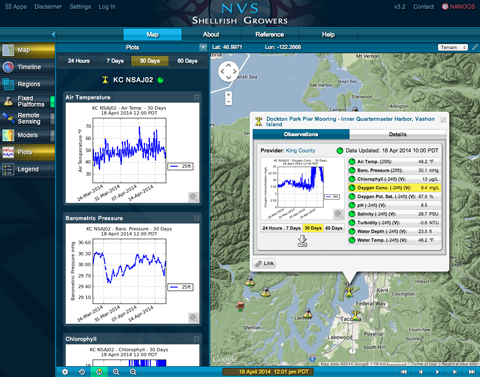
The NANOOS Visualization System (NVS) Shellfish Growers App provides shellfish growers and restoration managers with better and more ocean acidification and ocean condition information for decision making.
NANOOS Visualization System: Shellfish Growers App Read More »

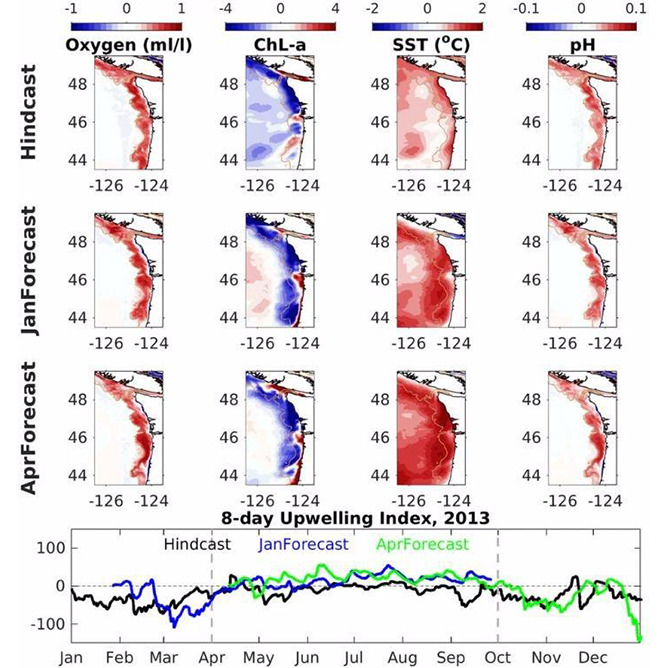
Using models and research to understand the sensitivity of organisms and ecosystems to ocean acidification to make predictions about the future, allowing communities and industries to prepare
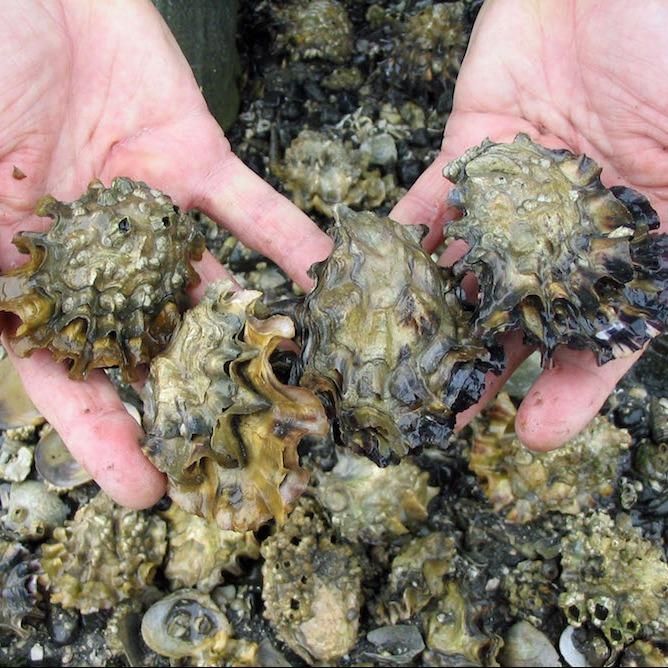
Using these models and predictions as tools to facilitate management strategies that will protect marine resources and communities from future changes
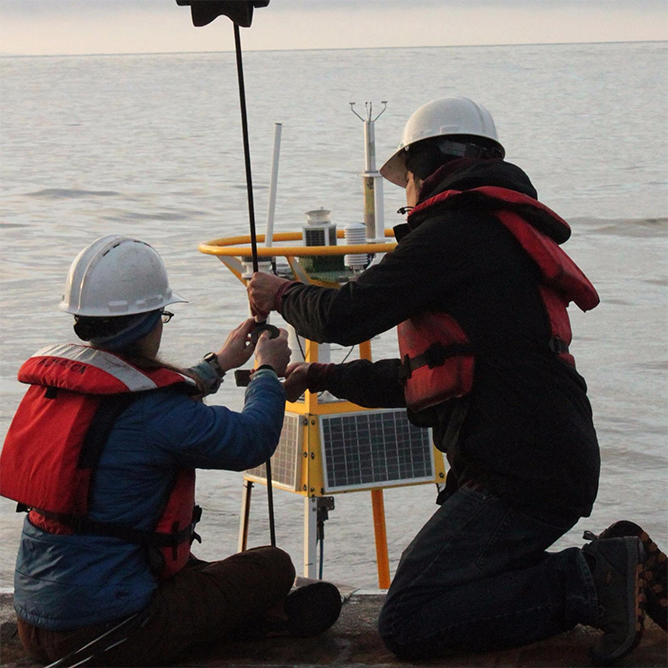
Developing innovative tools to help monitor ocean acidification and mitigate changing ocean chemistry locally