

Thresholds in a Changing Ocean Environment
Bioeconomic Implications for Alaska’s Salmon Fisheries
Thresholds in a Changing Ocean Environment Read More »
Bioeconomic Implications for Alaska’s Salmon Fisheries
Thresholds in a Changing Ocean Environment Read More »

Laboratory experiments simulate future conditions to help predict the climate resilience of a valuable Alaska fish.
Tracking Changes in Alaska Marine Ecosystems Read More »

The Chugach Regional Resources Commission (CRRC) created this video in partnership with Alutiiq Pride Shellfish Hatchery (APSH) to communicate the scientific findings of a long term Native Alaskan community science water quality program south-central Alaska. The goals of the video are to educate and raise awareness of ocean acidification and the community science monitoring program to
Ocean Acidification and the Chugach Region Ocean Monitoring Program Read More »

Chesapeake Bay, the largest estuary in the continental United States, has strong spatial gradients and high temporal variability in water conditions that are not easily captured by discrete (single timepoint) field measurements. This archive provides an atlas of physical and biogeochemical conditions for the Chesapeake Bay based on numerical model results of 1985-2023. The atlas
Chesapeake Bay Modeling Data Tool (1985-2023) Read More »
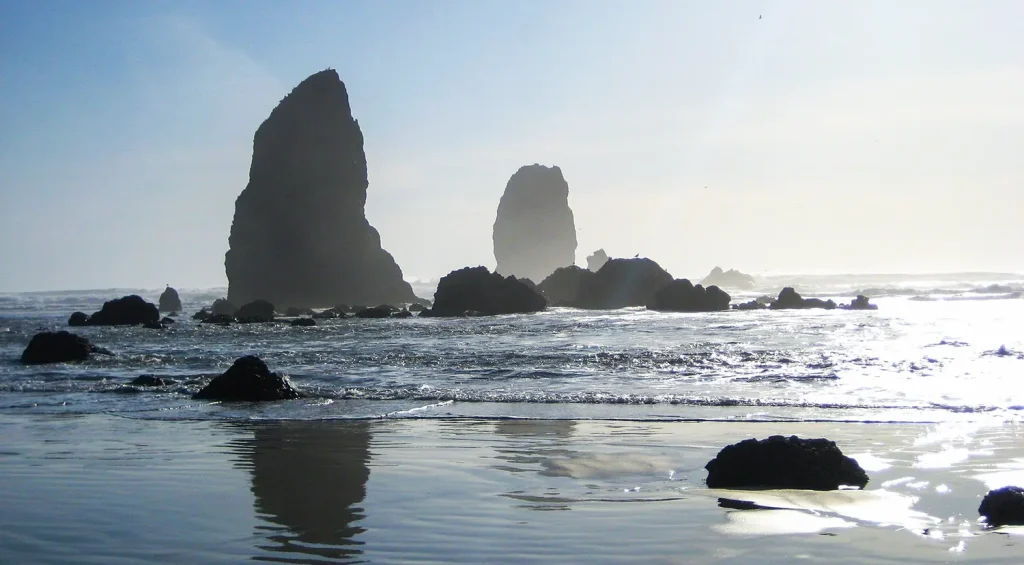
“Hey! What’s the commotion in our ocean?” is an NGSS aligned 4 module toolkit that brings the Pacific Northwest into the classroom. Students ages 9 and up will make connections between how changes in the atmosphere affect the ocean and in turn, important marine life. Students can become OA Ambassadors as they explore solutions and take action.
Ocean Acidification Education Toolkit – Pacific Northwest Read More »
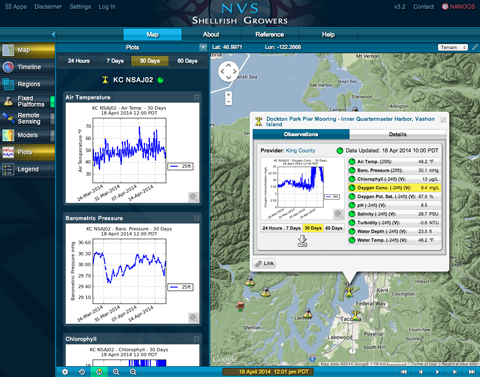
The NANOOS Visualization System (NVS) Shellfish Growers App provides shellfish growers and restoration managers with better and more ocean acidification and ocean condition information for decision making.
NANOOS Visualization System: Shellfish Growers App Read More »
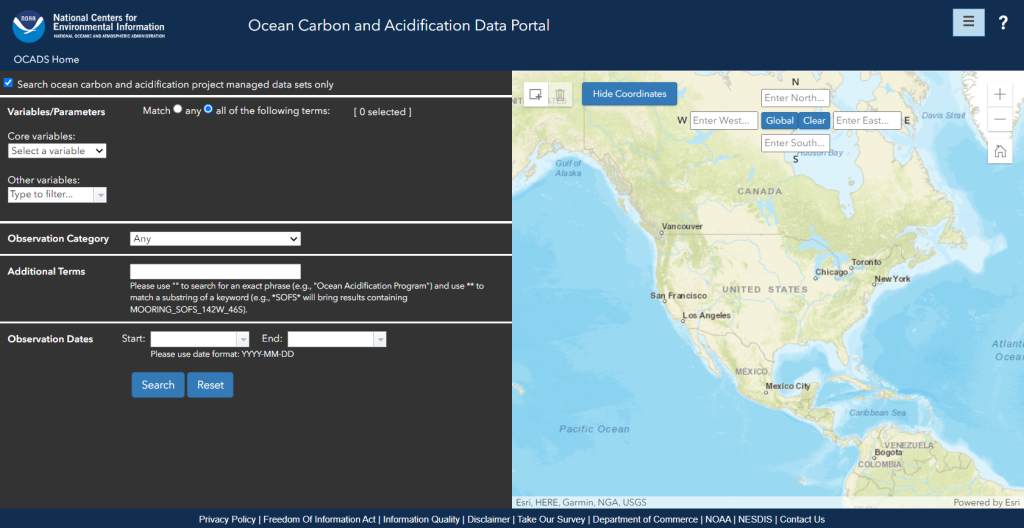
OCADS serves as a repository for a wide range of ocean carbon and acidification data, including chemical, physical, and biological observations.
Ocean Carbon and Acidification Data System (OCADS) Read More »
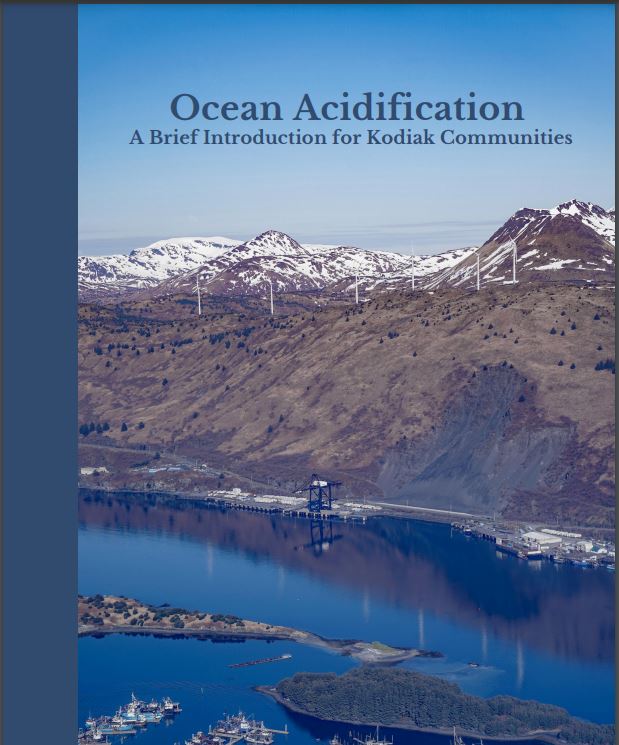
Native Alaskan communities on Kodiak Island, who have been collecting water samples for ocean acidification through an effort coordinated by the Kodiak Area Native Association (KANA). This brochure orients community members and explains what the samples mean. Can serve as an example for community outreach elsewhere. (9/2023)
Ocean Acidification and Kodiak Communities Read More »
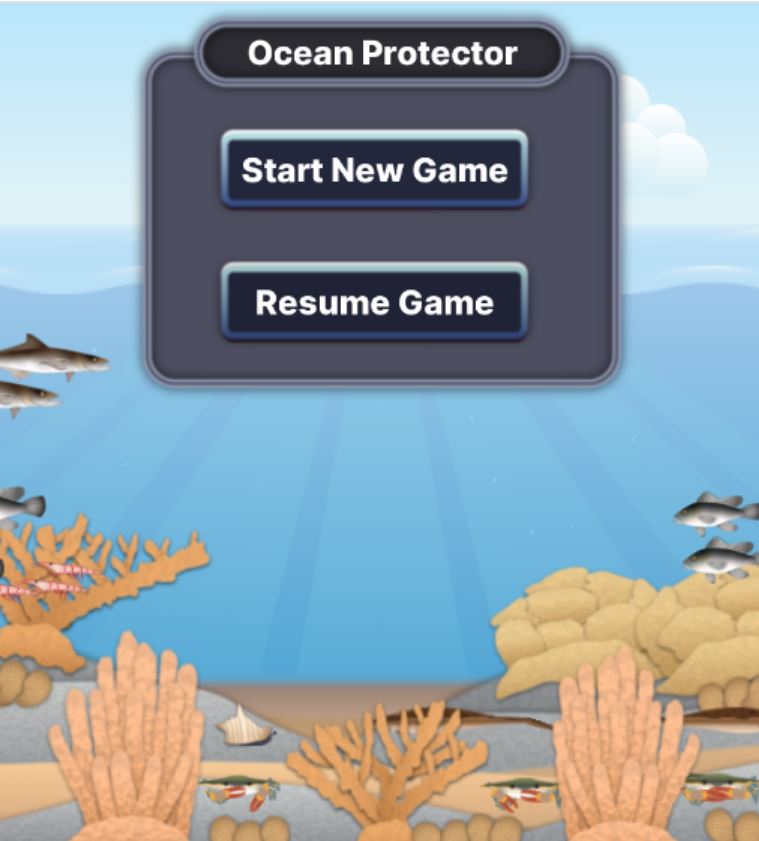
Understand ocean acidification through game-based learning. Website includes easy to access game, source code, science standards, educator guide, and module integration. Geared toward students middle school to adults. (2023)
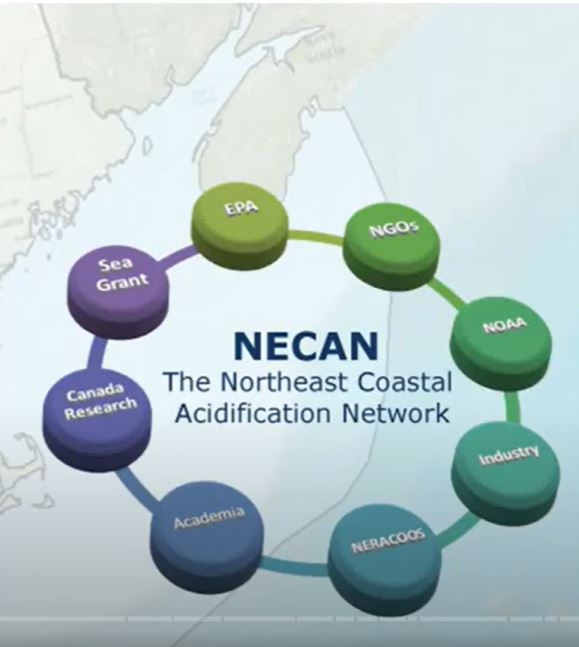
NECAN’s 2022 webinar series that presents how biogeochemical forecast models might be most effectively used in the NECAN region to meet stakeholder needs and concerns.
NECAN Ocean Acidification Thresholds Webinar Series Read More »

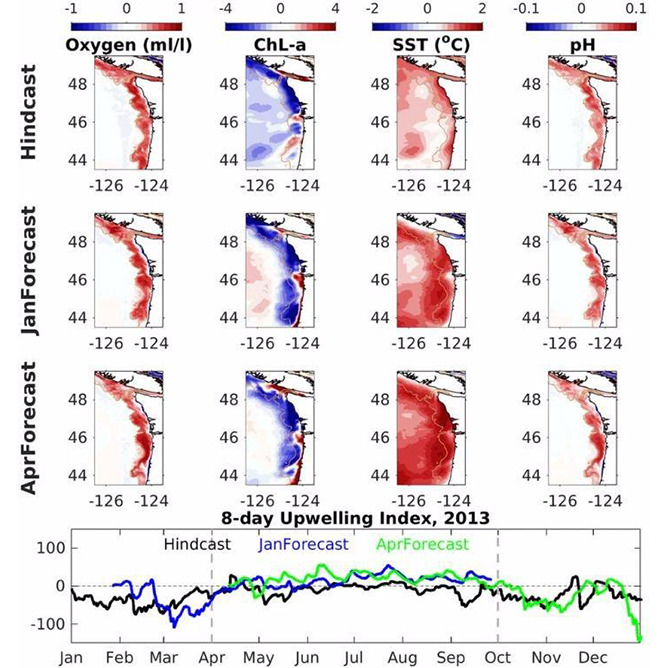
Using models and research to understand the sensitivity of organisms and ecosystems to ocean acidification to make predictions about the future, allowing communities and industries to prepare
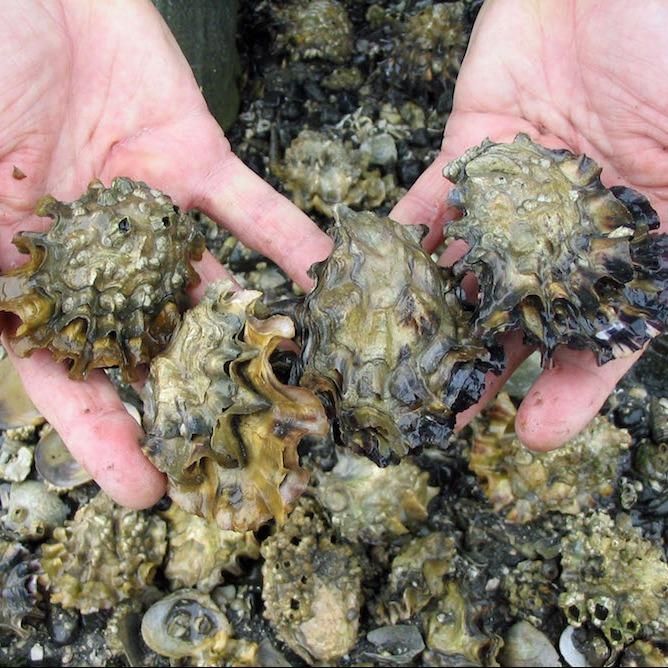
Using these models and predictions as tools to facilitate management strategies that will protect marine resources and communities from future changes
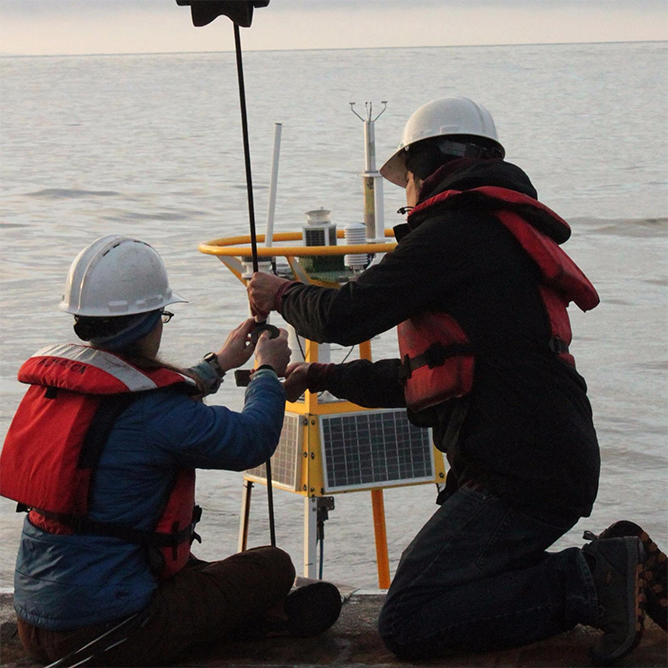
Developing innovative tools to help monitor ocean acidification and mitigate changing ocean chemistry locally