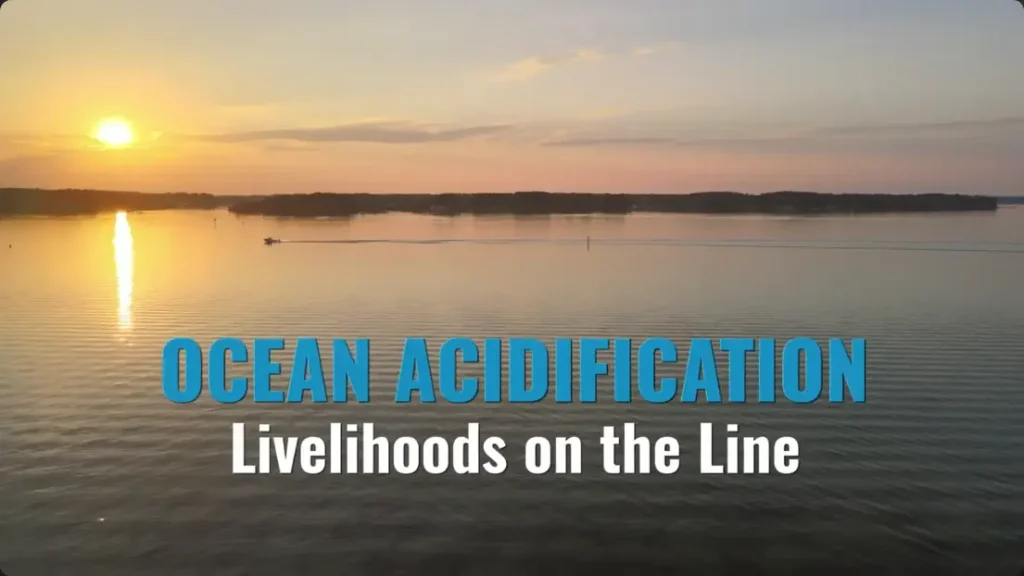
Ocean Acidification: Livelihoods on the Line (Spanish Subtitles)
Ocean Acidification: Livelihoods on the Line (Spanish Subtitles) Read More »
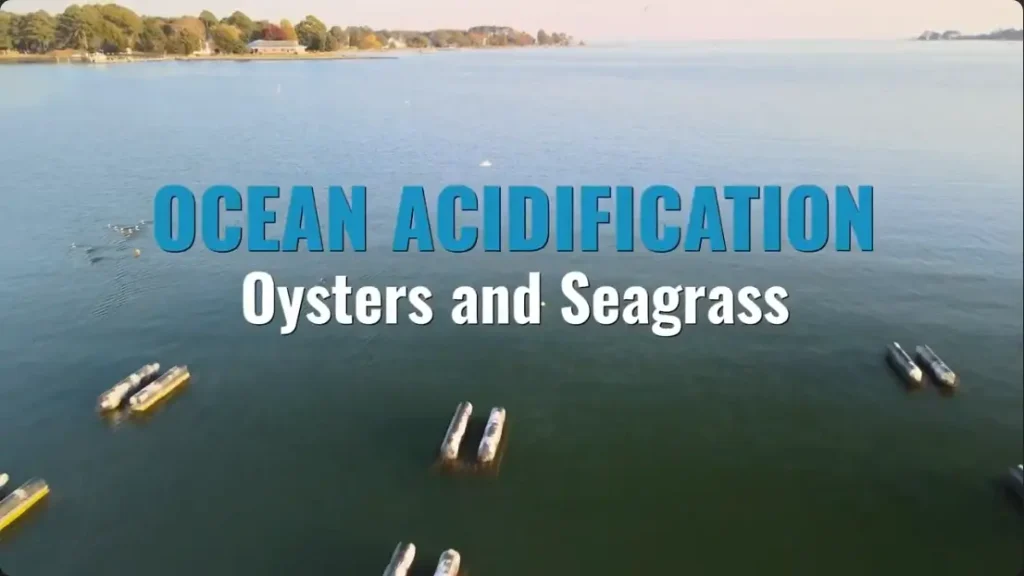
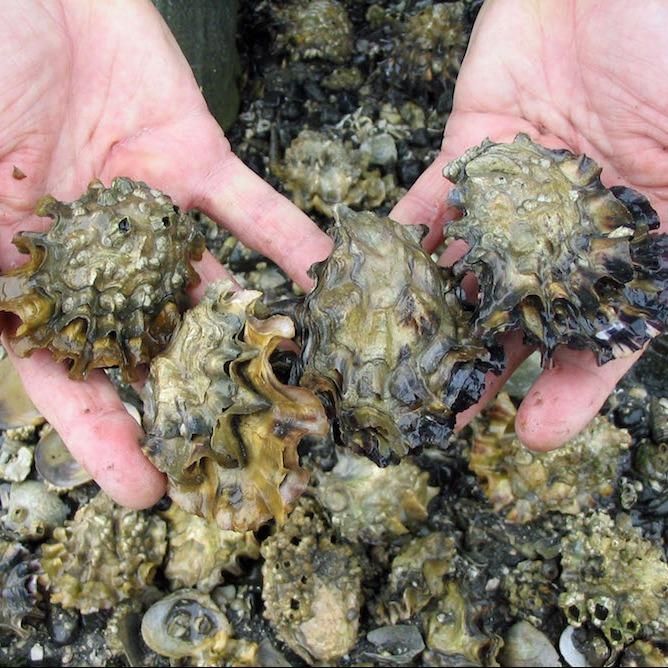
In the Mid-Atlantic’s coastal waters, oysters and seagrass provide important habitat for fish and crabs. They also filter out nutrients that cause algal blooms (eutrophication). When faced with ocean acidification, do these habitat builders always lose? In this video, we explore how oysters and seagrass differ in their responses to acidification and what this means
Ocean Acidification: Oysters and Seagrass Read More »
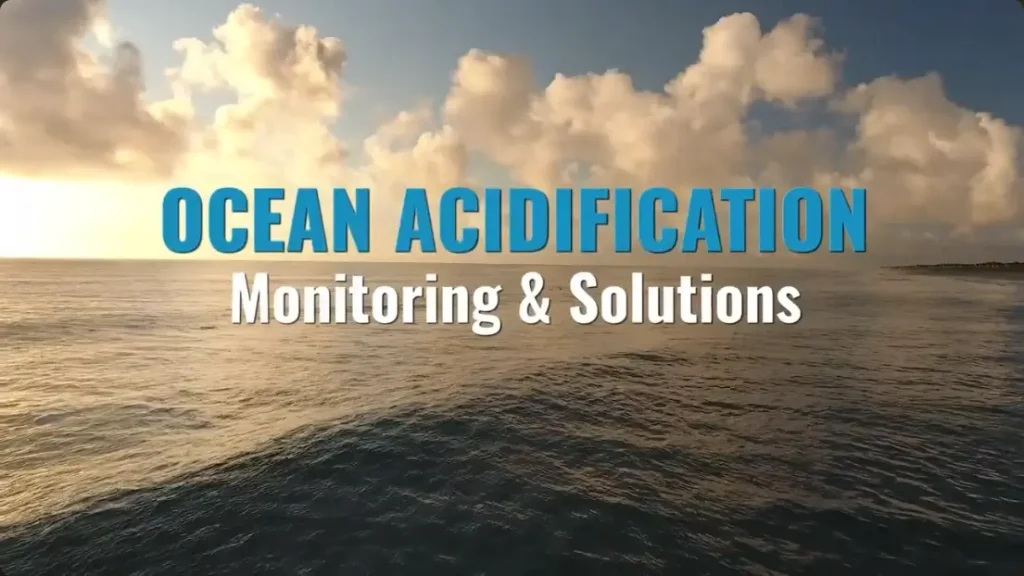
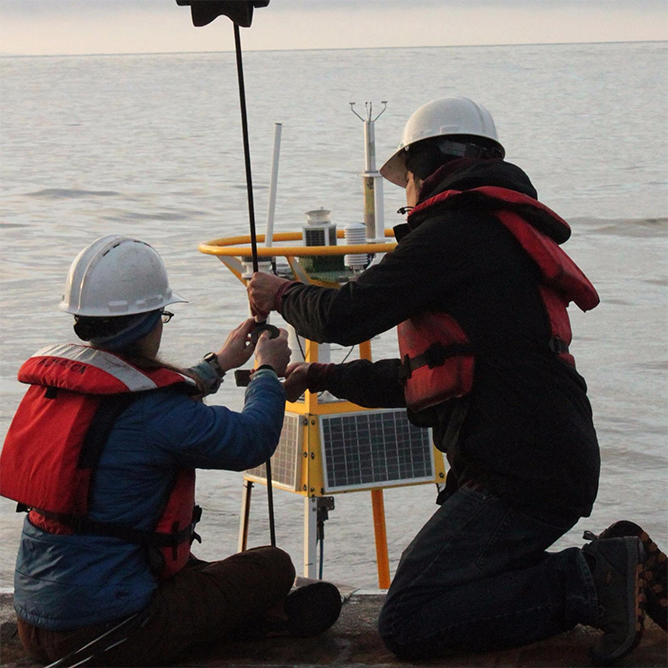
Technological advances in acidification monitoring and ocean carbon dioxide removal can help reduce ocean acidification’s impacts to Mid-Atlantic fisheries and local economy. In this video, we explore how scientists use underwater robots (gliders) to help fishery managers identify “hotspots” of acidification. Find out how innovative carbon removal strategies like enhancing the ocean’s ability to buffer
Ocean Acidification: Monitoring and Solutions Read More »
Learn about the Enhanced Greenhouse Effect and what is causing this amplified warming. A second part in a series about understanding carbon dioxide.
Understanding CO2 – Part 2 Read More »
Learn how carbon dioxide is produced, how it traps heat, how NOAA monitors it, and how rising levels impact our climate & ecosystems.
Understanding CO2 Video – Part 1 Read More »
This fact sheet from the University of Alaska Fairbanks presents how juvenile pink salmon respond to the direct effect of future ocean acidification and reduced food availability..
Ocean Acidification and Alaska Pink Salmon Read More »
Bioeconomic Implications for Alaska’s Salmon Fisheries
Thresholds in a Changing Ocean Environment Read More »