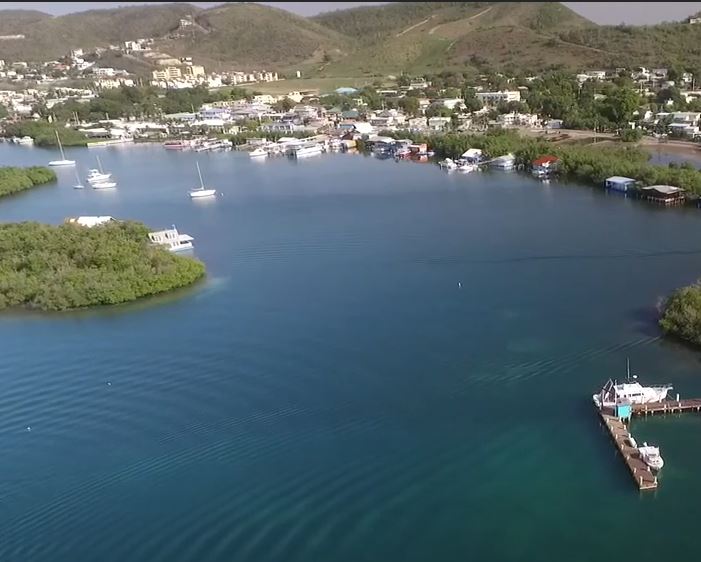
Vulnerability to Ocean Acidification in Puerto Rico
This project provides the first preliminary OA vulnerability assessment for Puerto Rico.
Vulnerability to Ocean Acidification in Puerto Rico Read More »

This project provides the first preliminary OA vulnerability assessment for Puerto Rico.
Vulnerability to Ocean Acidification in Puerto Rico Read More »
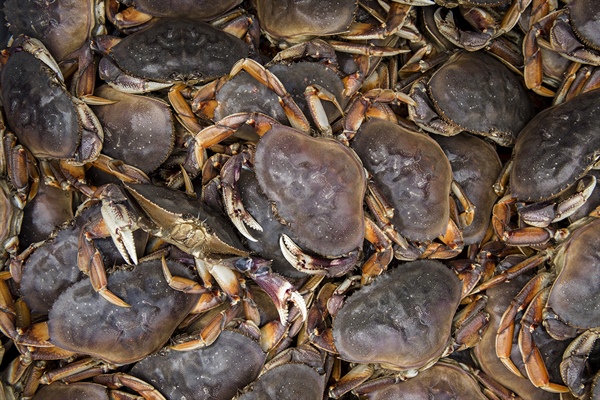
This project evaluates the conditions and mechanisms of ocean acidification impacts on Dungeness crabs.
Understanding the effects of ocean acidification on Dungeness crab Read More »
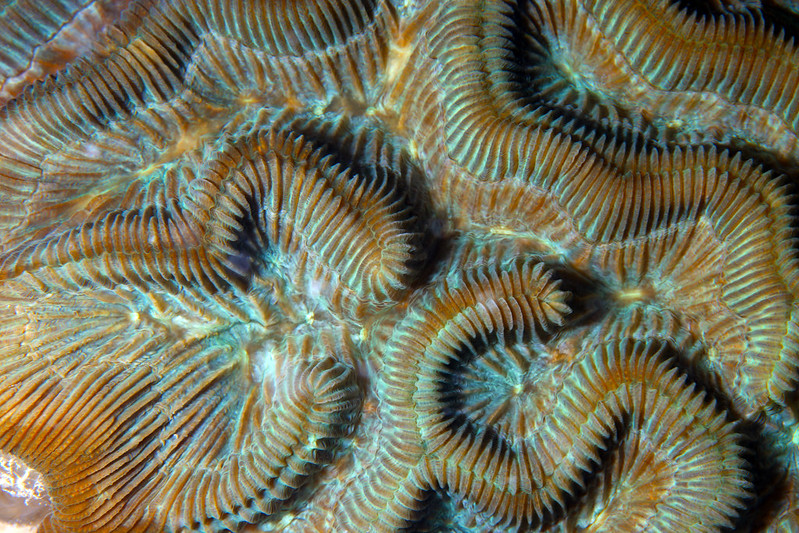
This project creates, tests, and evaluates two teaching toolkits supporting ocean acidification literacy.
Ocean Acidification Toolkits for Educators Read More »
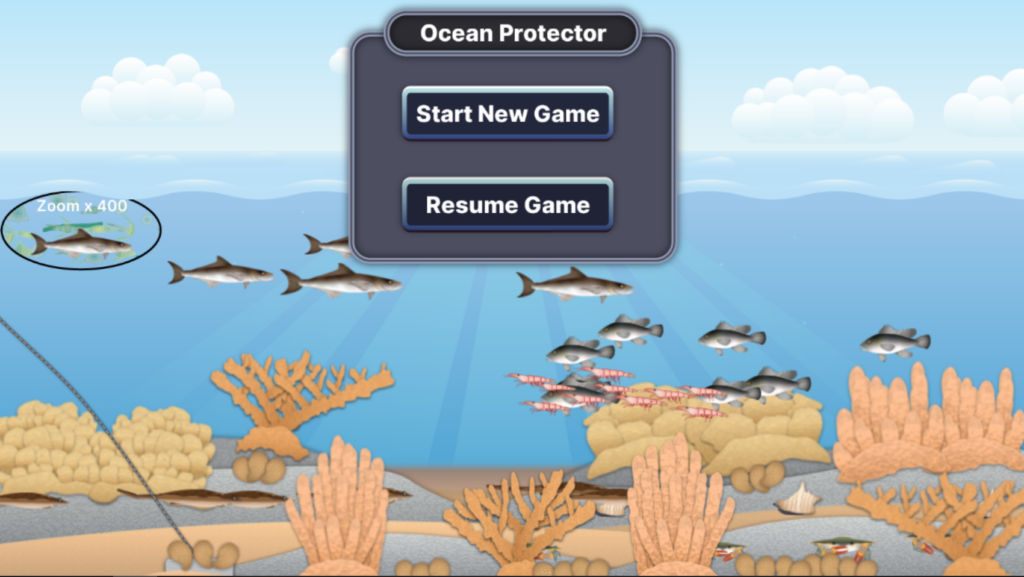
The Ocean Protector project is an active game-based curriculum program educating middle school students about ocean and coastal acidification impacts and promotes ocean stewardship.
Ocean Protector – gaming for ocean acidification literacy and action Read More »
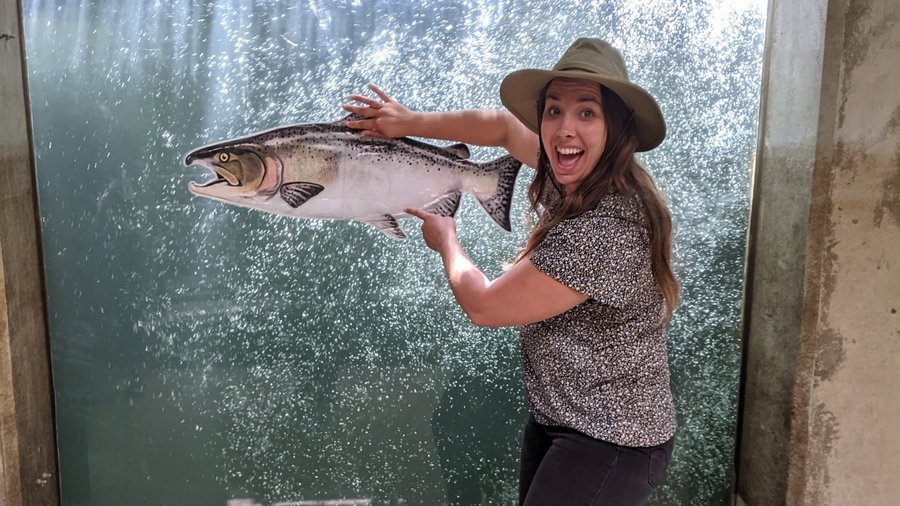
The Ocean Careers Week Project provides professional development to teachers in these communities, including exposure to different types of career levels and professionals in fields related to ocean acidification.
Ocean Careers Week Project Read More »

This project delivers educator workshops and creates culturally relevant curricula and multimedia online toolkits in collaboration with formal educators and partners.

This project aims to improve the performance of data assimilation and forecasts for operational applications for a variety of users.
Improving data assimilation for U.S. ocean forecasts Read More »
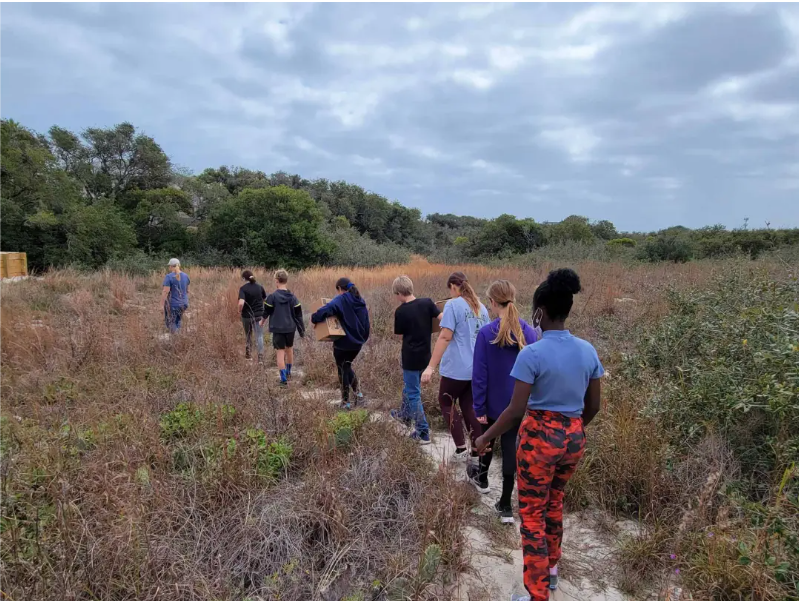
This project strengthens ocean acidification literacy and cohesion across states through an educational partnership between a coastal school and non-coastal schools across the nation, targeting students with diverse backgrounds and from groups underrepresented in STEM.
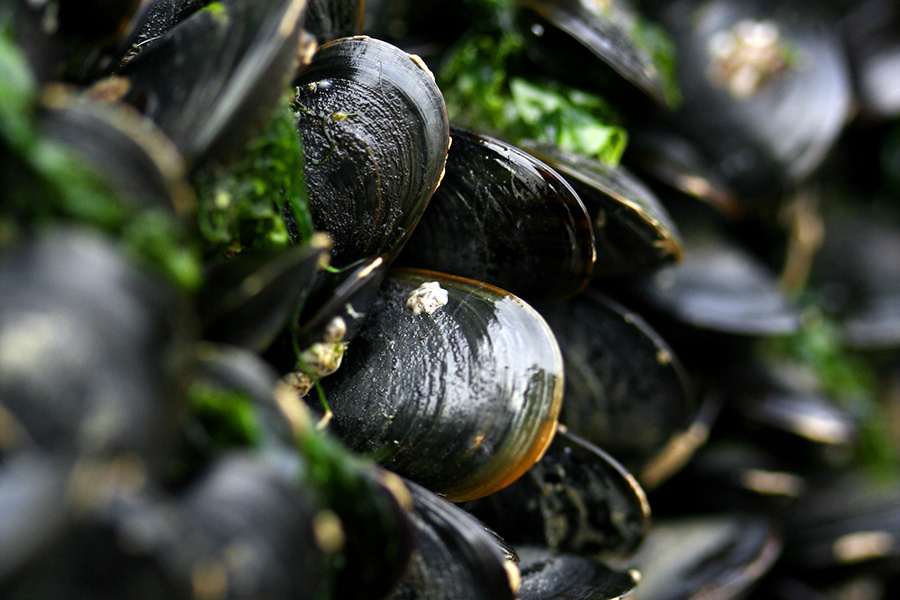
Assessing ocean acidification as a driver for enhanced metals uptake by Blue mussels (Mytilus edulis): implications for aquaculture and seafood safety
Why we care
Ocean acidification causes changes in the chemistry of stressors such as metals and may affect both the susceptibility of these animals to the contaminants as well as the toxicity. This is especially important for animals like blue mussels and other economically important shellfish that accumulate toxins in their bodies. Metal accumulation as a co-stressor of ocean acidification is not well documented for northeastern U.S. shellfish aquaculture species and better understanding these relationships supports seafood safety.
What we are doing
This work investigates the impacts of metal speciation (forms) on blue mussels under acidified conditions in both field and laboratory experiments. Scientists will first study uptake rates of these metals by blue mussels and then see how changing conditions affects their accumulation and toxicity. Comparing what they learn in the lab to what occurs in the field where these mussels are farmed, helps support decisions for seafood safety and industry best practices.
Benefits of our work
Coastal managers and aquaculturists can use these results that provide the societal benefits of better informed siting of aquaculture and safer seafood.
Interactions between ocean acidification and metal contaminant uptake by Blue Mussels Read More »
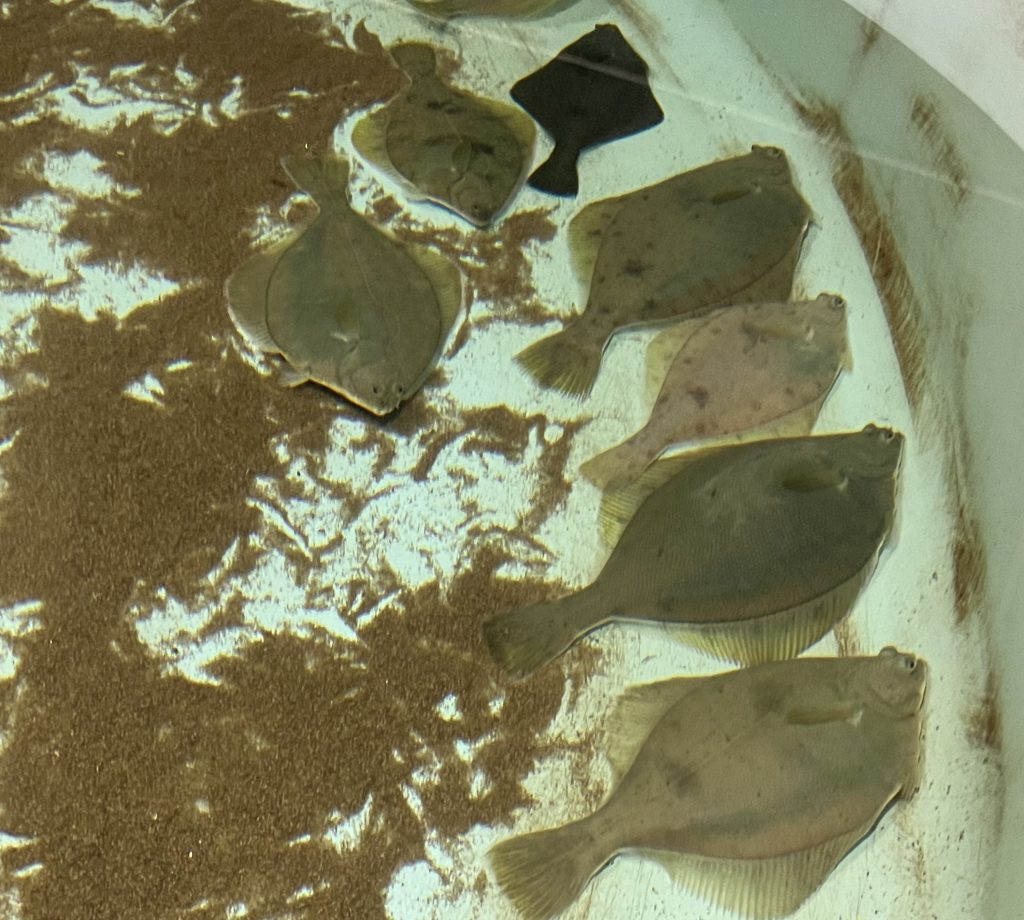
Effects of OA on Alaskan and Arctic fishes: physiological sensitivity in a changing ecosystem
Why we care
There is significant concern about ocean acidification disrupting marine ecosystems, reducing productivity of important fishery resources, and impacting the communities that rely upon those resources. To predict the ecological and socioeconomic impacts of acidification, it is critical to understand the complex interactions between environmental stressors of physiology and ecology of marine fishes. Previous work on Alaskan groundfish focused on direct physiological effects of OA on early life stages. We need to further this work to understand the interaction between OA and co-stressors like elevated temperatures on fish productivity.
What we are doing
This AFSC project examines the interactive effects of OA and elevated temperatures on three fish species that are critical to Alaska and Arctic fisheries: Pacific cod, Arctic cod, and yellowfin sole. Laboratory experiments will track the impact of OA exposure on adult Arctic cod reproductive output, egg quality, and larval production. Further experiments will consider the potential for within-generation and trans-generational acclimation and adaptation to environmental changes. Risk assessments for regional fisheries will incorporate the data from this project.
Benefits of our work
Findings from this research will provide the foundation necessary to evaluate the ecological and socioeconomic impacts of ocean acidification in Alaskan and Arctic waters.
Impacts of Ocean Acidification on Alaskan and Arctic fishes Read More »

Understanding seasonal changes in ocean acidification in Alaskan waters and the potential impacts to the multi-billion-dollar fishery sector is a main priority. Through work funded by NOAA’s Ocean Acidification Program, the Pacific Marine Environmental Laboratory developed a model capable of depicting past ocean chemistry conditions for the Bering Sea and is now testing the ability of this model to forecast future conditions. This model is being used to develop an ocean acidification indicator provided to fisheries managers in the annual NOAA Eastern Bering Sea Ecosystem Status Report.
The NOAA Ocean Acidification Program (OAP) works to prepare society to adapt to the consequences of ocean acidification and conserve marine ecosystems as acidification occurs. Learn more about the human connections and adaptation strategies from these efforts.
Adaptation approaches fostered by the OAP include:
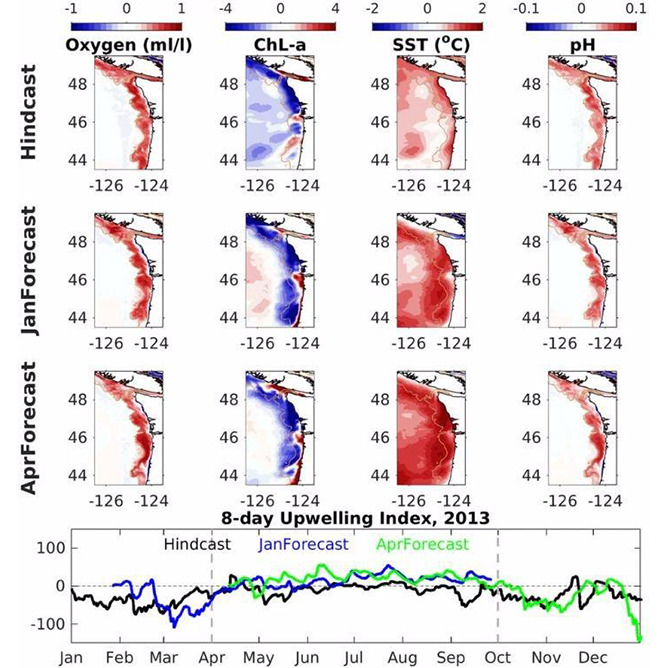
Using models and research to understand the sensitivity of organisms and ecosystems to ocean acidification to make predictions about the future, allowing communities and industries to prepare
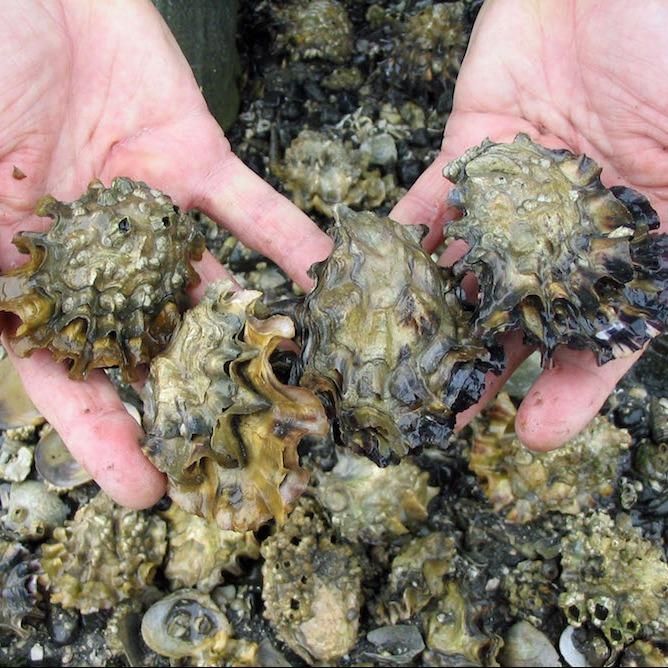
Using these models and predictions as tools to facilitate management strategies that will protect marine resources and communities from future changes
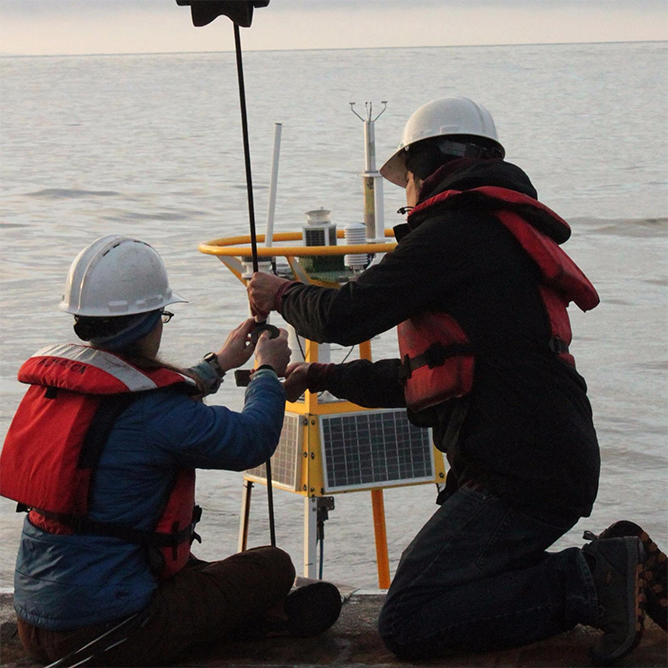
Developing innovative tools to help monitor ocean acidification and mitigate changing ocean chemistry locally
Drive fuel-efficient vehicles or choose public transportation. Choose your bike or walk! Don't sit idle for more than 30 seconds. Keep your tires properly inflated.
Eat local- this helps cut down on production and transport! Reduce your meat and dairy. Compost to avoid food waste ending up in the landfill
Make energy-efficient choices for your appliances and lighting. Heat and cool efficiently! Change your air filters and program your thermostat, seal and insulate your home, and support clean energy sources
Reduce your use of fertilizers, Improve sewage treatment and run off, and Protect and restore coastal habitats
You've taken the first step to learn more about ocean acidification - why not spread this knowledge to your community?
Every community has their unique culture, economy and ecology and what’s at stake from ocean acidification may be different depending on where you live. As a community member, you can take a larger role in educating the public about ocean acidification. Creating awareness is the first step to taking action. As communities gain traction, neighboring regions that share marine resources can build larger coalitions to address ocean acidification. Here are some ideas to get started: