The Ocean Carbon and Acidification Data System
The Ocean Carbon and Acidification Data System Read More »

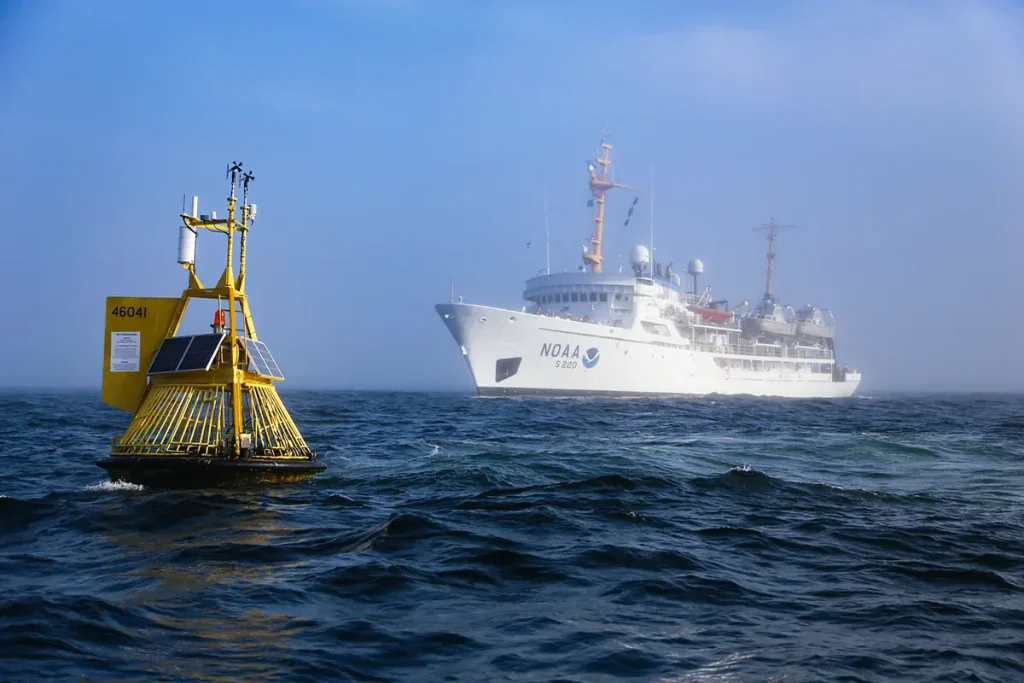
NOAA’s Ocean Acidification Program submitted a Commitment to the international Ocean Acidification Research for Sustainability (OARS) Programme on December 4, 2023.
NOAA declares Commitment to UN Decade OARS Programme Read More »

This project aims to improve the performance of data assimilation and forecasts for operational applications for a variety of users.
Improving data assimilation for U.S. ocean forecasts Read More »
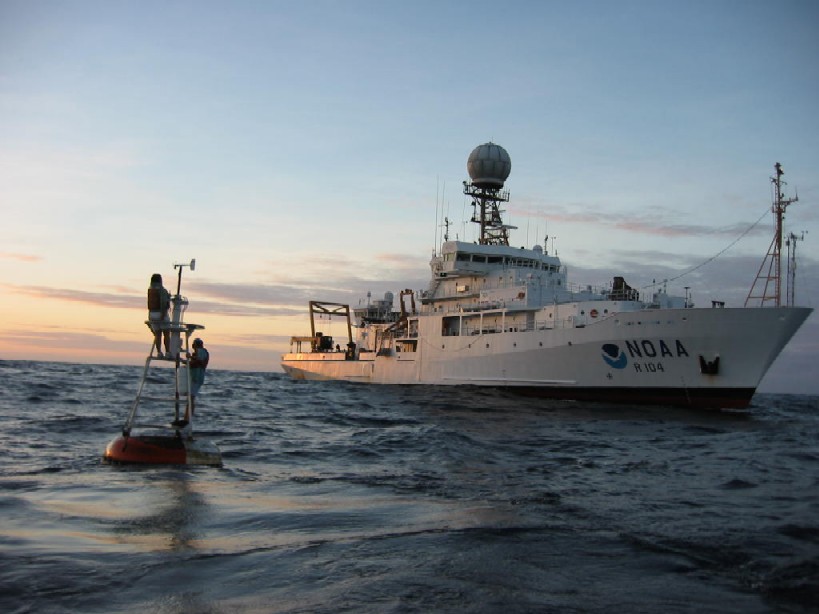
PMEL Sustained Ocean Acidification Biogeochemical and Ecological Survey Observations
Why we care
U.S. West coast-wide hydrographic surveys have been conducted intermittently from 2007 to 2017, providing evidence for the geographic extent and severity of ocean acidification in the continental shelf ecosystem. Scientists on the NOAA West Coast Ocean Acidification (WCOA) discovered that the combined effects of anthropogenic and biologically-derived carbon dioxide resulted in significant biological impacts for oyster larvae and pteropods, which are small, ecologically important mollusks for the food web.
What we are doing
This project executes a large-scale survey of ocean acidification carbonate chemistry in the California Current System and continues processing data and publishing scientific papers based on 2016 and 2017 surveys findings. This survey determines the spatial distributions of temperature, salinity, pH, dissolved inorganic carbon, total alkalinity, oxygen, nutrients, and biological parameters along the west coast of North America. Survey results will provide the basis for accurate assessments of changing ocean chemistry in the following areas: 1) spatial variability; 2) extent and causes of long-term changes in carbonate system parameters and their impacts on calcifying (shell-building) organisms; and 3) empirical relationships for obtaining high-resolution information on ocean acidification collected on moorings.
Benefits of our work
This project links the combined stressors of increased temperature, acidification, and hypoxia (low oxygen) with effects on marine organisms in the region and identifies spatial variability of acidifying conditions during the spring/summer upwelling season. In addition to scientific partners, this project engages a NOAA Teacher At Sea (TAS) fellow on the cruise to help develop outreach and education on West Coast ocean acidification.
Surveying the state of ocean acidification along the U.S. West Coast Read More »
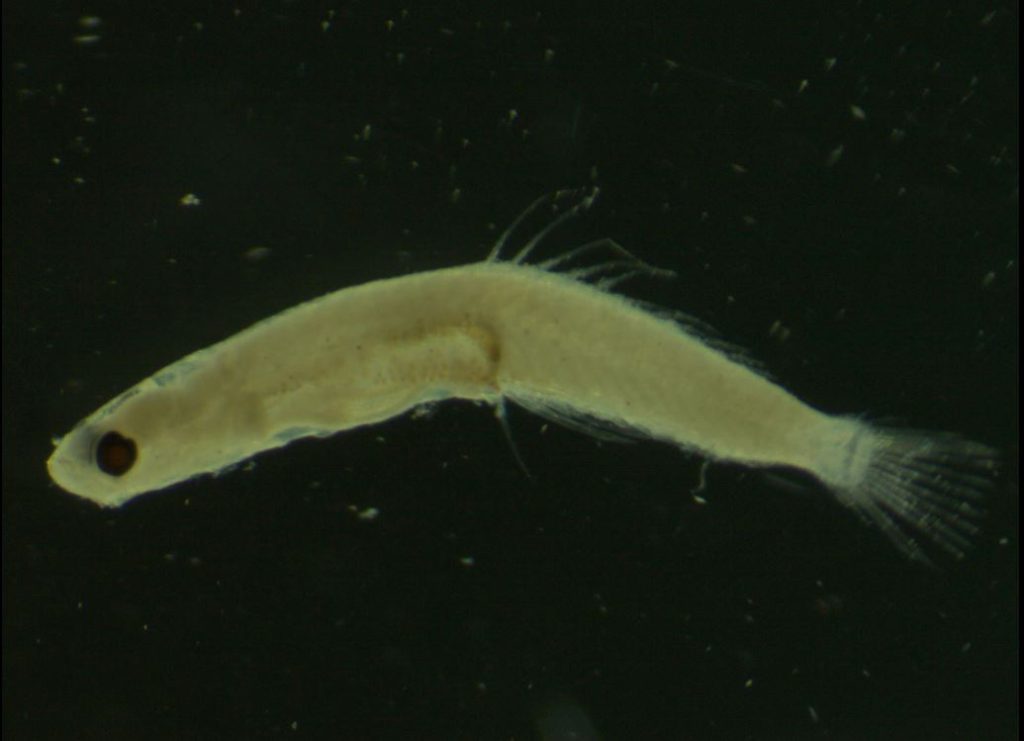
This project collects information to evaluate the links between ocean conditions and important species in the Gulf of America.
Evaluating impacts of acidification on biological processes in the Gulf of America Read More »

Understanding seasonal changes in ocean acidification in Alaskan waters and the potential impacts to the multi-billion-dollar fishery sector is a main priority. Through work funded by NOAA’s Ocean Acidification Program, the Pacific Marine Environmental Laboratory developed a model capable of depicting past ocean chemistry conditions for the Bering Sea and is now testing the ability of this model to forecast future conditions. This model is being used to develop an ocean acidification indicator provided to fisheries managers in the annual NOAA Eastern Bering Sea Ecosystem Status Report.
The NOAA Ocean Acidification Program (OAP) works to prepare society to adapt to the consequences of ocean acidification and conserve marine ecosystems as acidification occurs. Learn more about the human connections and adaptation strategies from these efforts.
Adaptation approaches fostered by the OAP include:
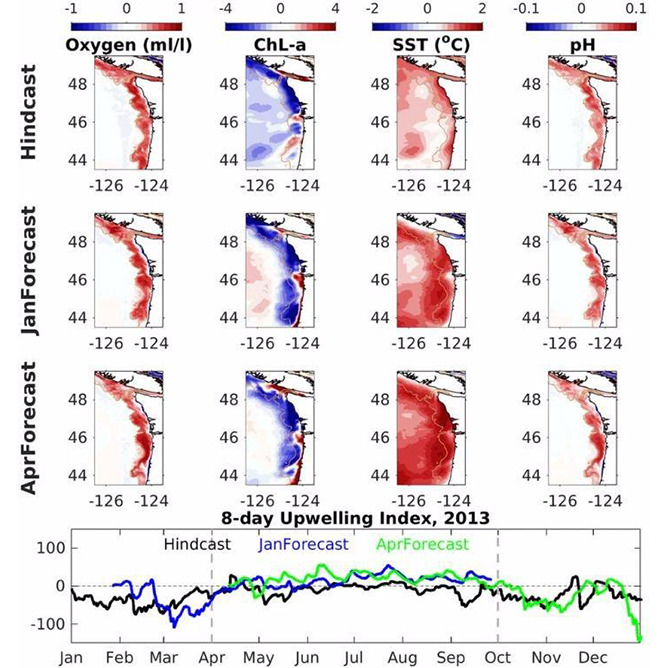
Using models and research to understand the sensitivity of organisms and ecosystems to ocean acidification to make predictions about the future, allowing communities and industries to prepare
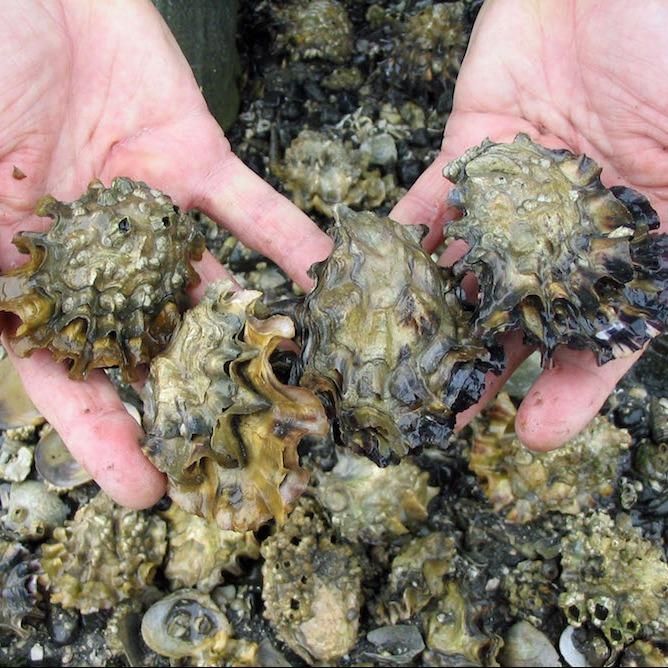
Using these models and predictions as tools to facilitate management strategies that will protect marine resources and communities from future changes
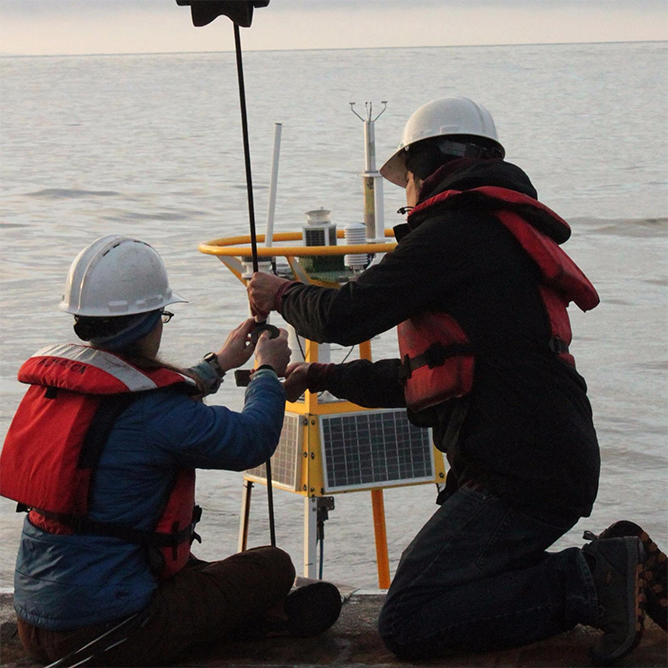
Developing innovative tools to help monitor ocean acidification and mitigate changing ocean chemistry locally
Drive fuel-efficient vehicles or choose public transportation. Choose your bike or walk! Don't sit idle for more than 30 seconds. Keep your tires properly inflated.
Eat local- this helps cut down on production and transport! Reduce your meat and dairy. Compost to avoid food waste ending up in the landfill
Make energy-efficient choices for your appliances and lighting. Heat and cool efficiently! Change your air filters and program your thermostat, seal and insulate your home, and support clean energy sources
Reduce your use of fertilizers, Improve sewage treatment and run off, and Protect and restore coastal habitats
You've taken the first step to learn more about ocean acidification - why not spread this knowledge to your community?
Every community has their unique culture, economy and ecology and what’s at stake from ocean acidification may be different depending on where you live. As a community member, you can take a larger role in educating the public about ocean acidification. Creating awareness is the first step to taking action. As communities gain traction, neighboring regions that share marine resources can build larger coalitions to address ocean acidification. Here are some ideas to get started: