Official websites use .gov
A .gov website belongs to an official government organization in the United States.

Secure .gov websites use HTTPS
A lock ( ) or https:// means you’ve safely connected to the .gov website. Share sensitive information only on official, secure websites.

Monitoring & Modeling

International Collaboration is Vital for Understanding and Adapting to Ocean Acidification

Georgetown Journal of International Affairs  or those who make their living farming oysters in the states of Washington and Oregon, the widespread mortality of larvae at several hatcheries between 2005 and 2009 was alarming and potentially devastating. After intense scientific scrutiny and collaboration among industry, government, and academic scientists, the culprit was eventually identified: corrosive seawater. 

International Collaboration is Vital for Understanding and Adapting to Ocean Acidification Read More »

Acidified ocean water widespread along North American West Coast

Oregon State University  A three-year survey of the California Current System along the West Coast of the United States found persistent, highly acidified water throughout this ecologically critical nearshore habitat, with ‘hotspots’ of pH measurements as low as any oceanic surface waters in the world.

Acidified ocean water widespread along North American West Coast Read More »

MAPCO2 Buoys at NCRMP CLASS III Sites in US Coral Reefs

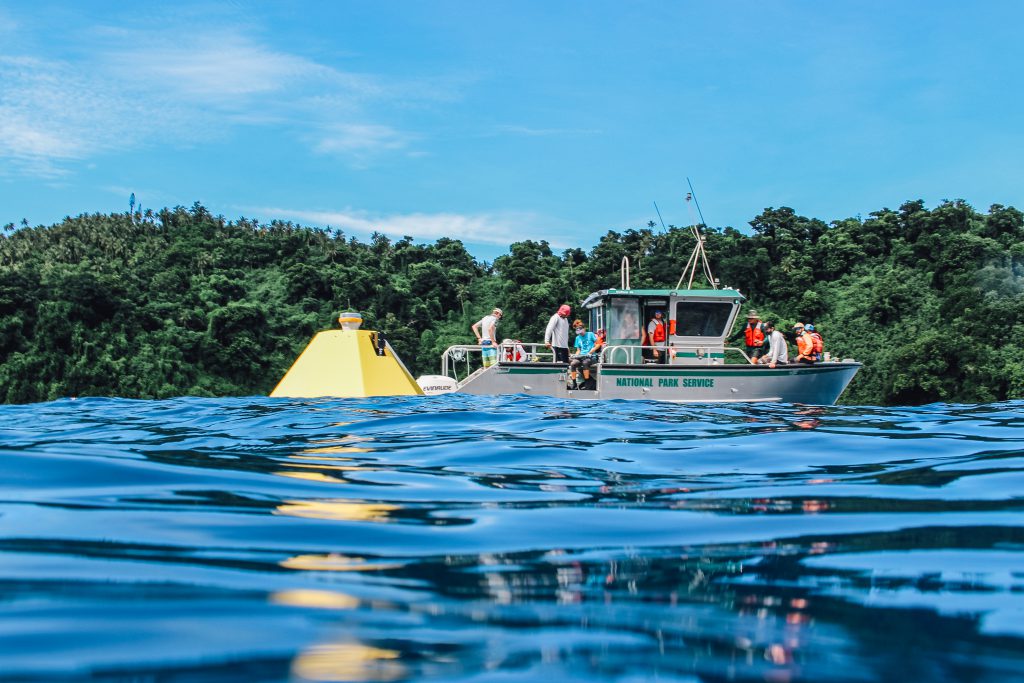
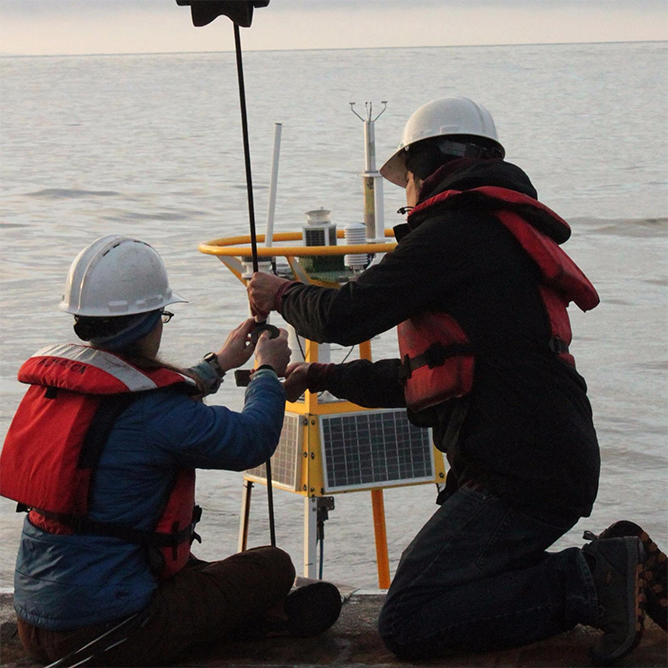
The long-term observations of carbonate chemistry at U.S.-affiliated coral reef sites are critical to understanding the impact of ocean acidification (OA) on coral ecosystems over time. This effort addresses NOAA’s Ocean Acidification Program (OAP) requirements for Monitoring of Ocean Chemistry by building and maintaining the coral reef portion of the OA monitoring network. This supports funding shortfalls associated with the NCRMP Class III MAPCO2 buoys at Cheeca Rocks and Kaneohoe Bay. Furthermore, this provides resources for the procurement of a new MAPCO2 buoy slated for deployment in Fagatele Bay, American Samoa in FY18, to establish the 2nd of three planned NCRMP Class III sites in the U.S. Pacific.

MAPCO2 Buoys at NCRMP CLASS III Sites in US Coral Reefs Read More »

Development of Ocean Acidification “pHyter” – Plankton Monitoring Tools & Curriculum

NOAA’s National Marine Sanctuaries of the West Coast Region (Olympic Coast, Greater Farallones, Cordell Bank, Monterey Bay and Channel Islands) will partner with Flathead Valley Community College, NOAA’s National Centers for Coastal Ocean Science (NCCOS) and NOAA’s Northwest Fisheries Science Center (NFSC), to increase accessibility and understanding of tools and protocol for ocean acidification monitoring through citizen science and education programs.

Humans and the ocean are inextricably interconnected, with all humans relying on ocean ecosystem outputs such as oxygen, water and food.  Currently, ocean ecosystems are threatened by multiple global change stressors, including ocean acidification (OA).  The development of OA monitoring tools and education curriculum will be instrumental in providing the public with a better understanding of the process of OA and impacts of a more acidic environment to valuable ocean ecosystems.

NOAA’s West Coast Region (WCR) sanctuaries will work with external partner Dr. David Long, of Flathead Valley Community College, to pilot a field-based pH-measuring instrument called ”pHyter” with WCR sanctuaries’ OA education and outreach programs, including citizen science, teacher workshops and student field investigations. Dr. Long  and his students recently developed pHyter: a hand-held chemical indicator-based spectrophotometric pH- measuring device.  OAP funds will support the expansion of pHyter instrument capabilities to permit iPhone and android apps to interface and upload to the international GLOBE Program GIS database, increasing accessibility of pH data.

Development of Ocean Acidification “pHyter” – Plankton Monitoring Tools & Curriculum Read More »

Research shows ocean acidification is spreading rapidly in the Arctic

NOAA Oceanic and Atmospheric Research  Ocean acidification is spreading rapidly in the western Arctic Ocean in both area and depth, potentially affecting shellfish, other marine species in the food web, and communities that depend on these resources, according to new research published in Nature Climate Change by NOAA, Chinese marine scientists and other partners.

Research shows ocean acidification is spreading rapidly in the Arctic Read More »

MIT Sea Grant Announces Three Newly Funded Projects Studying Ocean Acidification

MIT Sea Grant  MIT Sea Grant has selected three research projects for funding from our annual request for proposals. The projects focus on developing new ocean acidification sensor technology and using modeling techniques to consolidate historical data to inform future coastal ocean acidification monitoring.

MIT Sea Grant Announces Three Newly Funded Projects Studying Ocean Acidification Read More »

New Tool Helps Oyster Growers Prepare for Changing Ocean Chemistry

For Bill Mook, coastal acidification is one thing his oyster hatchery cannot afford to ignore. Mook Sea Farm depends on seawater from the Gulf of Maine pumped into a Quonset hut-style building where tiny oysters are grown in tanks. Mook sells these tiny oysters to other oyster farmers or transfers them to his oyster farm on the Damariscotta River where they grow large enough to sell to restaurants and markets on the East Coast.

New Tool Helps Oyster Growers Prepare for Changing Ocean Chemistry Read More »

Tracking Ocean Alkalinity using New Carbon Measurement Technologies (TAACT)

This project will expand the quantity and quality of ocean acidification (OA) monitoring across Northeastern U.S. coastal waters. The new OA data and incorporation of the world’s first commercial total alkalinity (TA) sensor into our regional observing system (NERACOOS) are designed to supply needed baseline information in support of a healthy and sustainable shellfish industry, and to aid in assessments and projections for wild fisheries. In working with partners to develop this proposal, clear concerns were brought forward regarding the potential impacts of increasing ocean acidity that extend from nearshore hatcheries and aquaculture to broader Gulf of Maine finfish and shellfish industries and their management. Stakeholder input and needs shaped the project scope such that both nearshore and offshore users will be served by TA sensor deployments on partner platforms, including time series data collection at an oyster aquaculture site, on the NOAA Ship of Opportunity AX-2 line, and on federal and State of Maine regional fish trawl surveys. In all, five different deployment platforms will be used to enhance ocean acidification monitoring within the Northeast Coastal Acidification Network (NE-CAN) with significant improvement in temporal and spatial coverage.
 Adding the all-new TA measurement capability to the regional observation network will provide more accurate, certain, and reliable OA monitoring, and an important project objective is to demonstrate and relay this information to regional partners. Data products to be developed from the multi-year measurements include nearshore and offshore baseline OA seasonal time series as well as threshold indices tied to acidification impacts on larval production at the Mook Sea Farm oyster hatchery. An outreach and technical supervision component will include the transfer of carbonate system observing technologies to our partners and to the broader fishing industry, resource management, and science communities. NERACOOS will provide data management and communication (DMAC) services and work towards implementing these technological advances into the IOOS network.

Tracking Ocean Alkalinity using New Carbon Measurement Technologies (TAACT) Read More »

Turning the headlights on ‘high’: Improving an ocean acidification observation system in support of Pacific coast shellfish growers

Working across four IOOS Regional Associations in partnership with the shellfish industry and other groups affected by ocean acidification (OA), our proposal is divided into four tasks that continue the foundational aspects established to date and expand both technical capacity and the development of new technology with respect to OA observing needs for shellfish growers and other related impacted and potentially vulnerable U.S. industries, governments (tribal, state, local) and other stakeholders. Our proposed work includes development of observing technology, expert oversight intelligence, data dissemination, and outreach and will be executed by a team that includes a sensor technology industry and academic and government scientists. We will: 1) Develop new lower cost and higher accuracy sensor technology for OA monitoring and expand them to new sites; 2) Utilize regional partnerships of users and local experts to implement and provide Quality Assurance/Quality Control (QA/QC) tests of the new OA sensors; 3) Establish data handling and dissemination mechanisms that provide both user-friendly and standards-based web service access that are exportable from the Pacific Coast module to the entirety of U.S. Integrated Ocean Observing System (IOOS); and 4) Provide education and outreach services to stakeholders concerned about and potentially impacted by OA.

Turning the headlights on ‘high’: Improving an ocean acidification observation system in support of Pacific coast shellfish growers Read More »

Interactions between ocean acidification and eutrophication in estuaries: Modeling opportunities and limitations for shellfish restoration

The objective of this project is to make significant strides in bridging the gap between scientific knowledge and current management needs by integrating existing biogeochemical model frameworks, field measurements, and experimental work toward the goals of (1) delineating atmospheric and eutrophication drivers of Chesapeake Bay acidification and improve our understanding of estuarine carbonate chemistry, (2) developing a spatially explicit framework to identify shellfish restoration areas most and least prone to acidification impacts, and (3) better understanding feedbacks associated with future environmental conditions and shellfish restoration goals estuary-wide and within a model tributary. This effort includes (1) a field campaign to make the first comprehensive study of the spatial and temporal variability in the carbonate system in Chesapeake Bay, (2) experiments to quantify both carbonate and nutrient exchange between intact oyster reefs and the surrounding water while measuring response of these fluxes to reef structure and acidification, and (3) an advancement in numerical modeling tools to simultaneously simulate the dynamics of eutrophication, hypoxia, carbonate chemistry, and oyster reef growth and interaction with the water-column under present and future conditions.

Interactions between ocean acidification and eutrophication in estuaries: Modeling opportunities and limitations for shellfish restoration Read More »

Forecasts for Alaska Fisheries

Crab pots and fishing nets in Alaska's Dutch Harbor
Image credit: Michael Theberge

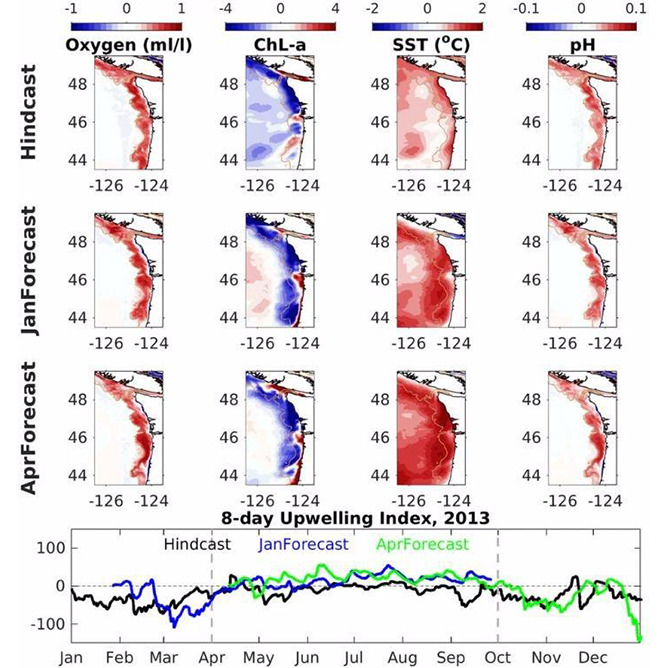
Understanding seasonal changes in ocean acidification in Alaskan waters and the potential impacts to the multi-billion-dollar fishery sector is a main priority. Through work funded by NOAA’s Ocean Acidification Program, the Pacific Marine Environmental Laboratory developed a model capable of depicting past ocean chemistry conditions for the Bering Sea and is now testing the ability of this model to forecast future conditions. This model is being used to develop an ocean acidification indicator provided to fisheries managers in the annual NOAA Eastern Bering Sea Ecosystem Status Report.

ADAPTING TO OCEAN ACIDIFICATION

The NOAA Ocean Acidification Program (OAP) works to prepare society to adapt to the consequences of ocean acidification and conserve marine ecosystems as acidification occurs. Learn more about the human connections and adaptation strategies from these efforts.

Adaptation approaches fostered by the OAP include:

FORECASTING

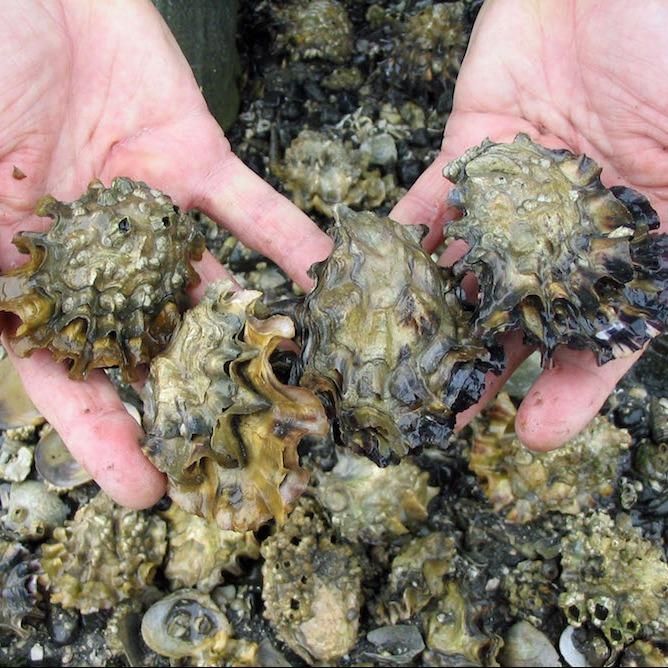
Using models and research to understand the sensitivity of organisms and ecosystems to ocean acidification to make predictions about the future, allowing communities and industries to prepare

Closeup of oysters cupped in someone's hands

MANAGEMENT

Using these models and predictions as tools to facilitate management strategies that will protect marine resources and communities from future changes

TECHNOLOGY DEVELOPMENT

Developing innovative tools to help monitor ocean acidification and mitigate changing ocean chemistry locally

REDUCING OUR CARBON FOOTPRINT

On the Road

Drive fuel-efficient vehicles or choose public transportation. Choose your bike or walk! Don't sit idle for more than 30 seconds. Keep your tires properly inflated.

With your Food Choices

Eat local- this helps cut down on production and transport! Reduce your meat and dairy. Compost to avoid food waste ending up in the landfill

With your Food Choices

Make energy-efficient choices for your appliances and lighting. Heat and cool efficiently! Change your air filters and program your thermostat, seal and insulate your home, and support clean energy sources

By Reducing Coastal Acidification

Reduce your use of fertilizers, Improve sewage treatment and run off, and Protect and restore coastal habitats

TAKE ACTION WITH YOUR COMMUNITY

You've taken the first step to learn more about ocean acidification - why not spread this knowledge to your community?

Every community has their unique culture, economy and ecology and what’s at stake from ocean acidification may be different depending on where you live.  As a community member, you can take a larger role in educating the public about ocean acidification. Creating awareness is the first step to taking action.  As communities gain traction, neighboring regions that share marine resources can build larger coalitions to address ocean acidification.  Here are some ideas to get started:

  1. Work with informal educators, such as aquarium outreach programs and local non-profits, to teach the public about ocean acidification. Visit our Education & Outreach page to find the newest tools!
  2. Participate in habitat restoration efforts to restore habitats that help mitigate the effects of coastal acidification
  3. Facilitate conversations with local businesses that might be affected by ocean acidification, building a plan for the future.
  4. Partner with local community efforts to mitigate the driver behind ocean acidification  – excess CO2 – such as community supported agriculture, bike & car shares and other public transportation options.
  5. Contact your regional Coastal Acidification Network (CAN) to learn how OA is affecting your region and more ideas about how you can get involved in your community
       More for Taking Community Action