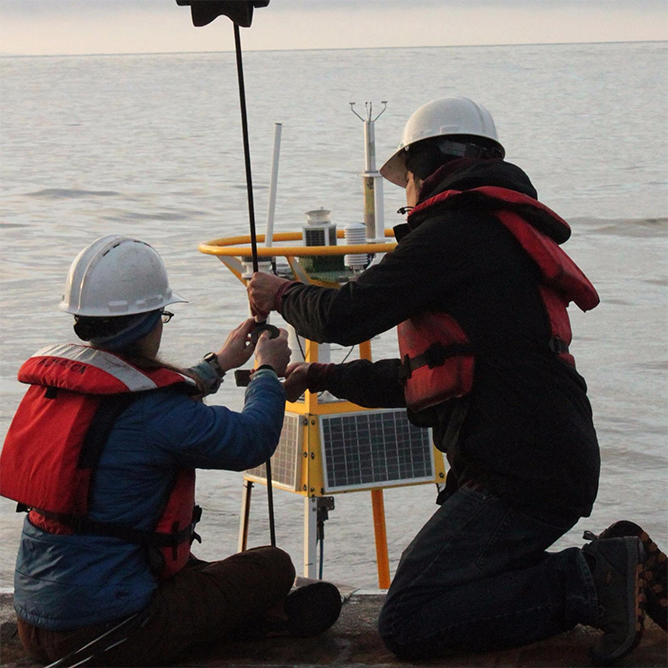
Open Ocean
Open ocean research is aimed at evaluating the vulnerability of regions in deep waters beyond the continental shelf to future ocean acidification caused by natural variability and human-caused changes.
Studying OA in the open ocean to improve observing technology
Acidification research in the open ocean can provide information for national and international policy and adaptive actions, food security, fisheries and aquaculture practices, protection of coral reefs, shore protection, cultural identity, and tourism. The primary goals of open ocean research are to determine how carbon and pH changes interact with natural variability to collectively act on ocean carbonate chemistry and biology that matters to people. In turn, NOAA’s contributions with technological development with new sensors, autonomous platforms and innovating with co-locating biological and physical and chemical studies continues to support NOAA as a global leader and provide critical information to the Global Ocean Acidification Observing Network (GOA-ON). These efforts and observations help validate models and calibrate satellite data synthesis products. Global maps and data synthesis products provide information.

Tracking progress of ocean acidification research in the Open Ocean

The research goals in the Open Ocean Region are to:
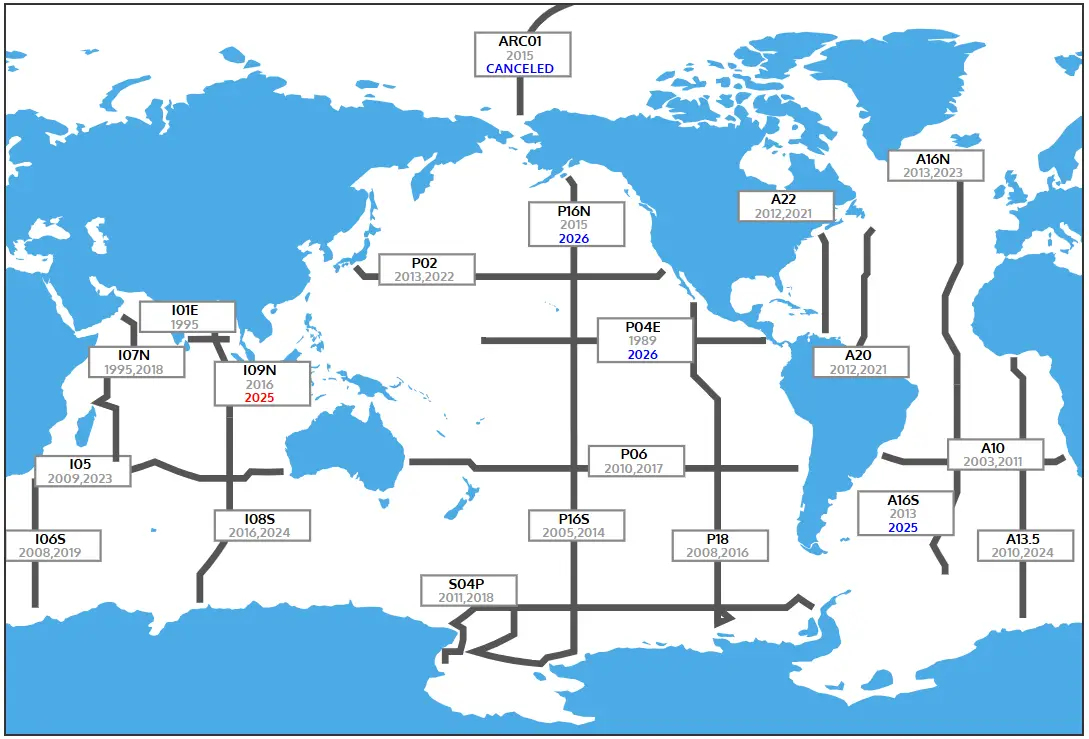
- Maintain existing observations and continue developing and deploying autonomous vehicles and biogeochemical (BGC) Argo floats to measure surface and water column carbon parameters, nutrients, and other Essential Ocean Variables (EOVs)
- Conduct biological sampling (e.g., Bongo net tows) during GO-SHIP cruises to determine the biological impacts of OA and other stressors on planktonic communities
- Develop data management systems and synthesis products including visualizations of key chemical and biological parameters to quantify anthropogenic carbon dioxide (CO2) buildup, rates of change of global ocean ocean acidification conditions, and biological rate processes
- Support data synthesis activities to provide validation of biogeochemical models.
The following charts represent the mid-point progress in implementing research actions that focus on the Open Ocean Region according to the NOAA Ocean, Coastal, and Great Lakes Acidification Research Plan.
NOAA invests in research and activities toward meeting goals that improve our ability to understand and predict environmental change, species and ecosystem to response to changing ocean chemistry, and the human impacts of these changes. The report card below summarizes progress over the past five years toward meeting these goals for the Open Ocean Region, measured by the number of major actions toward meeting this goal: good progress (4+ actions), some progress (1-3 actions) and no known progress.
Good overall progress
Some progress
No known progress
Environmental Change
There are 11 environmental change actions: 10 have good overall progress and one has no known progress.
Researching environmental change in the open ocean allows researchers to understand how the ocean changes over time by differentiating the effects of natural changes in carbon dioxide and those caused by humans. Observations of changes in marine life and ocean chemistry produce valuable data that contribute to the Global Ocean Acidification Observing Network (GOA-ON) to improve modeling and the development of ocean observing technology.
Biological Sensitivity
There are four biological sensitivity actions: all have made some progress.
Ocean acidification and other stressors affect the distribution of planktonic communities in the open ocean which causes ripple effects with larger marine organisms. Researchers are observing biological, geological and chemical changes throughout the open ocean over a period of time to develop tools to predict the effects of ocean acidification.
Human Dimensions
There are three human dimension actions: one has made some progress and two have no known progress.
The connections between open ocean events and the coastal zone must be better understood to project ocean acidification impacts to coastal communities. Understanding the impacts of OA will help communities develop mitigation strategies.
Featured Research Projects
OAP Funded Projects
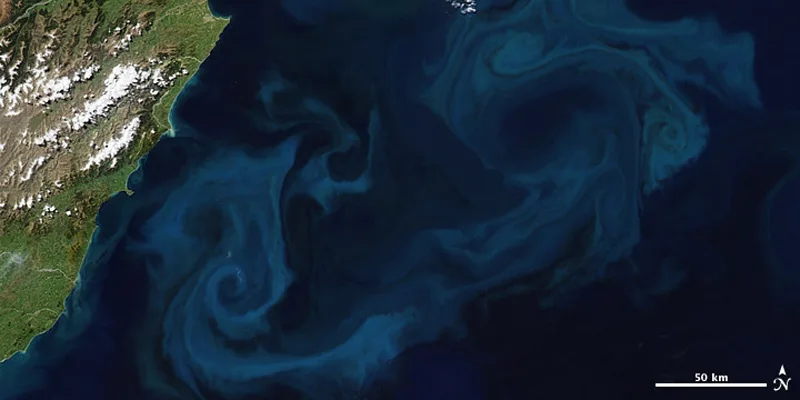
- PI(s): Dennis McGillicuddy
- Fiscal Year Funded: 2023, 2024, 2025
- Grant Award # NA23OAR0170514
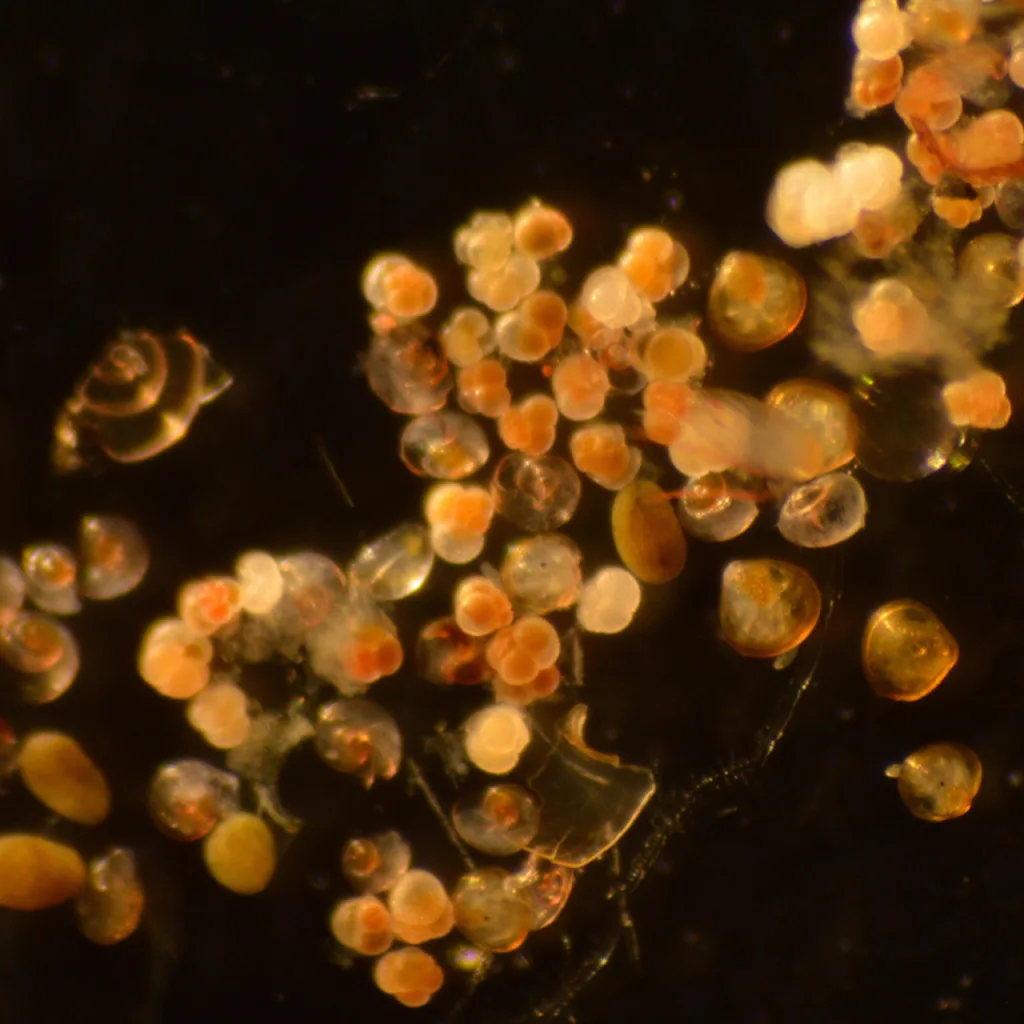
- PI(s): Laura Haynes
- Fiscal Year Funded: 2023, 2024, 2025, 2026
- Grant Award # NA23OAR0170513
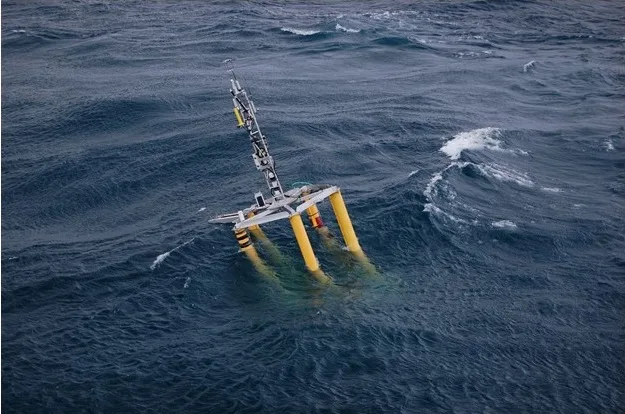
- PI(s): Galen McKinley
- Fiscal Year Funded: 2023, 2024, 2025
Latest Publications
- Findlay, H.S., R.A. Feely, K. Grabb, E.B. Jewett, E.F. Keister, G. Kitch, Y. Artioli, P. Bhadury, J. Blackford, O. Crabeck, A. Ghosh, Y. Li, K.B. Lowder, S. Mehta, B. Van Dam, H. Beghoura, N. Karo, A.Z. Horodysky, S. Hennige, S.M. Salaah, F. Ragazzola, and L. Wright-Fairbanks
- Oceanography
- September 5, 2025
- R. C. Barrett, B. R. Carter, A. J. Fassbender, B. Tilbrook, R. J. Woosley, K. Azetsu-Scott, R. A. Feely, C. Goyet, M. Ishii, A. Murata, F. F. Pérez
- Global Biogeochemical Cycles
- March 24, 2025
- Pierre Friedlingstein, Michael O'Sullivan, Matthew W. Jones, Robbie M. Andrew, Judith Hauck, Peter Landschützer, Corinne Le Quéré, Hongmei Li, Ingrid T. Luijkx, Are Olsen, Glen P. Peters, Wouter Peters, Julia Pongratz, Clemens Schwingshackl, Stephen Sitch, Josep G. Canadell, Philippe Ciais, Robert B. Jackson, Simone R. Alin, Almut Arneth, Vivek Arora, Nicholas R. Bates, Meike Becker, Nicolas Bellouin, Carla F. Berghoff, Henry C. Bittig, Laurent Bopp, Patricia Cadule, Katie Campbell, Matthew A. Chamberlain, Naveen Chandra, Frédéric Chevallier, Louise P. Chini, Thomas Colligan, Jeanne Decayeux, Laique M. Djeutchouang, Xinyu Dou, Carolina Duran Rojas, Kazutaka Enyo, Wiley Evans, Amanda R. Fay, Richard A. Feely, Daniel J. Ford, Adrianna Foster, Thomas Gasser, Marion Gehlen, Thanos Gkritzalis, Giacomo Grassi, Luke Gregor, Nicolas Gruber, Özgür Gürses, Ian Harris, Matthew Hefner, Jens Heinke, George C. Hurtt, Yosuke Iida, Tatiana Ilyina, Andrew R. Jacobson, Atul K. Jain, Tereza Jarníková, Annika Jersild, Fei Jiang, Zhe Jin, Etsushi Kato, Ralph F. Keeling, Kees Klein Goldewijk, Jürgen Knauer, Jan Ivar Korsbakken, Xin Lan, Siv K. Lauvset, Nathalie Lefèvre, Zhu Liu, Junjie Liu, Lei Ma, Shamil Maksyutov, Gregg Marland, Nicolas Mayot, Patrick C. McGuire, Nicolas Metzl, Natalie M. Monacci, Eric J. Morgan, Shin-Ichiro Nakaoka, Craig Neill, Yosuke Niwa, Tobias Nützel, Lea Olivier, Tsuneo Ono, Paul I. Palmer, Denis Pierrot, Zhangcai Qin, Laure Resplandy, Alizée Roobaert, Thais M. Rosan, Christian Rödenbeck, Jörg Schwinger, T. Luke Smallman, Stephen M. Smith, Reinel Sospedra-Alfonso, Tobias Steinhoff, Qing Sun, Adrienne J. Sutton, Roland Séférian, Shintaro Takao, Hiroaki Tatebe, Hanqin Tian, Bronte Tilbrook, Olivier Torres, Etienne Tourigny, Hiroyuki Tsujino, Francesco Tubiello, Guido van der Werf, Rik Wanninkhof, Xuhui Wang, Dongxu Yang, Xiaojuan Yang, Zhen Yu, Wenping Yuan, Xu Yue, Sönke Zaehle, Ning Zeng, and Jiye Zeng
- Earth System Science Data
- March 14, 2025
Get involved with ocean acidification
The NOAA Ocean Acidification Program exists to meet the ocean acidification research and monitoring needs of the U.S. See how you can get involved to serve your community and participate in cutting-edge research and education and outreach.