Pacific Islands
The Pacific Islands are greatly affected by worldwide ocean changes threatening important coral reefs, species and fisheries that are vital for the economy and culture. Researchers study the direct and indirect effects of ocean acidification to develop ways to manage the impacts on the environment and communities.
Monitoring OA alongside the health of coral reefs and other marine species
The Pacific Islands region covers a vast area and includes the Exclusive Economic Zones surrounding the State of Hawaiʻi, the Territories of American Samoa and Guam, the Commonwealth of the Northern Marianas Islands, and the U.S. Pacific Remote Island Areas. While much of the region is uninhabited and federally protected, it is home to biologically-diverse coral reef ecosystems and a number of threatened or endangered species. It also supports culturally and economically valuable commercial, subsistence and recreational fisheries. These ecosystems generally experience relatively low levels of local anthropogenic stress. However, global forcing including basin-wide climate variability such as the El Niño Southern Oscillation and the Pacific Decadal Oscillation, and global change significantly impacts this region.

Tracking progress of ocean acidification research in the Pacific Islands

The research goals in the Pacific Islands Region are to:
- Maintain existing and develop new ocean acidification monitoring sites co-located with biological surveys of coral reef and broader marine ecosystems to improve understanding of ocean acidification progression and response to be used in real-time forecasts for risk assessment and decision making
- Integrate physical, chemical, biological, and ecological data to assess ecosystem-wide direct and indirect impacts of ocean acidification, with an emphasis on key Pacific marine species
- Couple environmental, ecological, human-use, and non-use valuation models to assess ocean acidification impacts to human well-being and develop effective ecosystem-based management strategies and relevant science communication tools.
The following charts represent the mid-point progress in implementing research actions that focus on the Pacific Islands Region according to the NOAA Ocean, Coastal, and Great Lakes Acidification Research Plan.
NOAA invests in research and activities toward meeting goals that improve our ability to understand and predict environmental change, species and ecosystem to response to changing ocean chemistry, and the human impacts of these changes. The report card below summarizes progress over the past five years toward meeting these goals for the Pacific Islands Region, measured by the number of major actions toward meeting this goal: good progress (4+ actions), some progress (1-3 actions) and no known progress.
Good overall progress
Some progress
No known progress
Environmental Change
There are eight environmental change actions: three have good overall progress, four have made some progress and one has no known progress.
Tracking ocean acidification close to shore in the Pacific Islands helps us see how water chemistry changes and affects coral reefs. Combining this with studies of reef life gives us critical information for managing these ecosystems. Expanding ocean monitoring programs in different ocean zones will also improve our understanding and predictions of impacts. Additionally, using data and models to create regional maps can highlight high-risk areas and vulnerable species, aiding in effective planning and policy.
Biological Sensisitivity
There are eight biological sensitivity actions: one has good overall progress, four have made some progress and three have no known progress.
Understanding how ocean acidification affects marine species in the Pacific Islands requires more ecological monitoring, lab experiments on less-studied species, and combining existing data on key species’ responses. While research focuses on coastal and open ocean fisheries and protected species, we need better information on how changing water chemistry impacts their food webs and habitats to manage them effectively. To assess the full effects of ocean acidification and other stressors on marine ecosystems, fisheries, and protected species to improve management, researchers are combining various types of data on a large scale.
Human Dimensions
There are six human dimension actions: five have made some progress and one has no known progress.
Combining environmental and ecological information with how humans use resources in ecosystem models will help us understand how ocean acidification impacts industries and the communities that rely on the ocean in the Pacific Islands. To create effective management strategies for these islands, researchers are looking at trends in biological health, and the communities’ perceptions and vulnerabilities. The goal of this research is to share clear information about ocean acidification and its potential impacts on the environment, economy and society.
Featured Research Projects
Human Dimensions
OAP Funded Projects

- PI(s): Vera Peck, Fatoata
- Fiscal Year Funded: 2024, 2025, 2026
- Grant Award # NA25OARX017G0001-T1-01

- PI(s): Hannah Barkley, NOAA Pacific Islands Fisheries Science Center
- Fiscal Year Funded: 2024, 2025, 2026
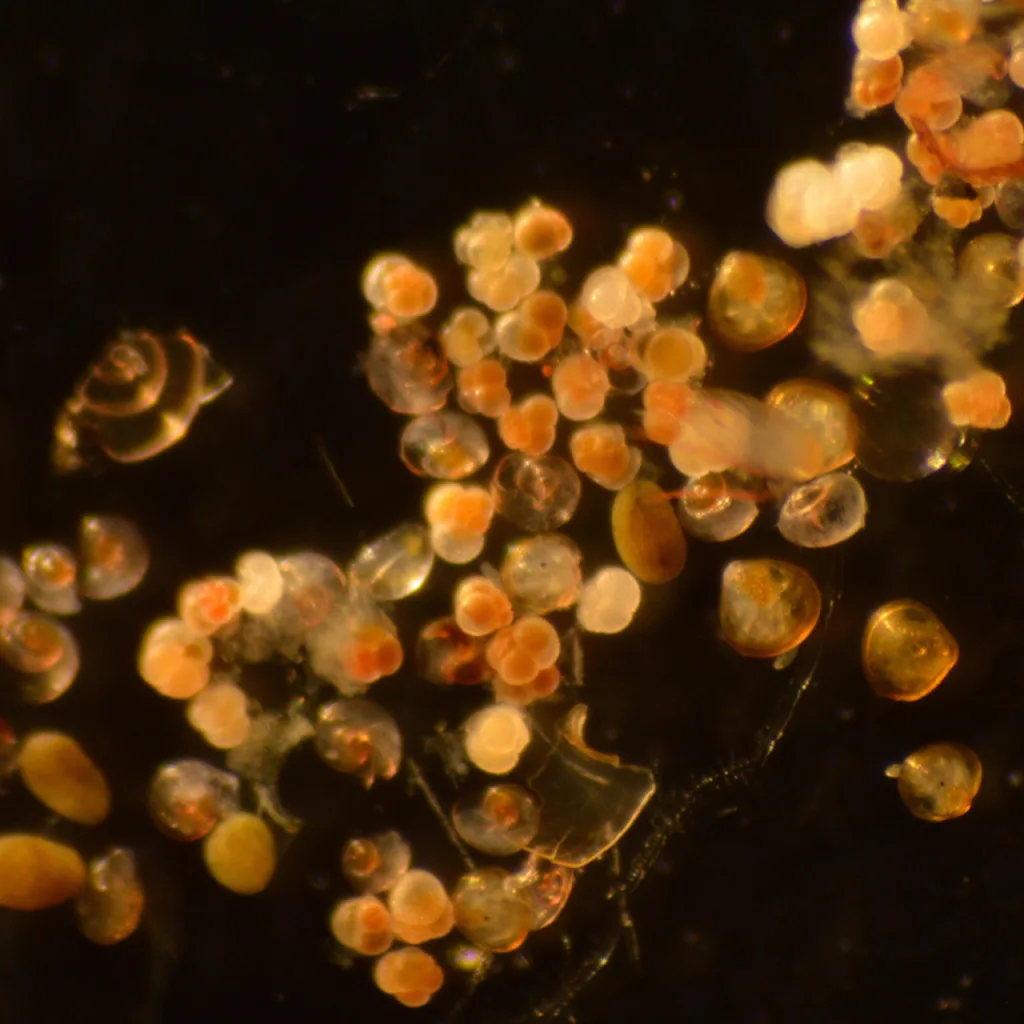
- PI(s): Laura Haynes
- Fiscal Year Funded: 2023, 2024, 2025, 2026
- Grant Award # NA23OAR0170513
Latest Publications
- Hannah C. Barkley, Ariel A. Halperin, Damaris Torres-Pulliza, Mia S. Lamirand, Courtney S. Couch, Candace E. Alagata, Rebecca M. Weible, Joy N. Smith, Thomas A. Olive, Chris T. Perry
- Coral Reefs
- April 18, 2025
- R. C. Barrett, B. R. Carter, A. J. Fassbender, B. Tilbrook, R. J. Woosley, K. Azetsu-Scott, R. A. Feely, C. Goyet, M. Ishii, A. Murata, F. F. Pérez
- Global Biogeochemical Cycles
- March 24, 2025
Get involved with ocean acidification
The NOAA Ocean Acidification Program exists to meet the ocean acidification research and monitoring needs of the U.S. See how you can get involved to serve your community and participate in cutting-edge research and education and outreach.