Official websites use .gov
A .gov website belongs to an official government organization in the United States.

Secure .gov websites use HTTPS
A lock ( ) or https:// means you’ve safely connected to the .gov website. Share sensitive information only on official, secure websites.

Monitoring & Modeling

Strengthening the net: Ocean acidification observations in California

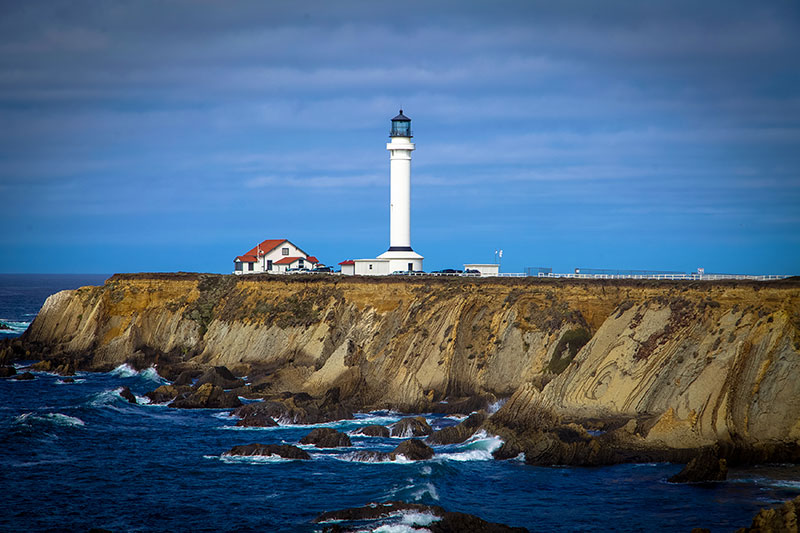
A foggy morning on the central California coastline is a picturesque scene of rolling waves, screeching gulls, and fishermen hauling hefty nets teeming with fish. If you look closely at the net you observe that it is a framework of lines working together to capture a greater amount of fish than a single fishing line could capture alone. In the same way, ocean observing systems can be thought of as a net to capture what is happening with our ocean’s chemistry. But a net with gaps or holes is not very efficient, whether it be in fishing or in observing. A newly funded project by Dr. Chris Edwards, a Professor at the University of California Santa Cruz (UCSC), along with collaborators at UCSC and the Monterey Bay Aquarium Research Institute (MBARI) is taking a look at where ‘holes’ in our observing system are. The team will identify ways to fill those gaps in order to capture changing ocean chemistry along the California coast.

Strengthening the net: Ocean acidification observations in California Read More »

Optimizing Acidification Observations In A Changing Ocean

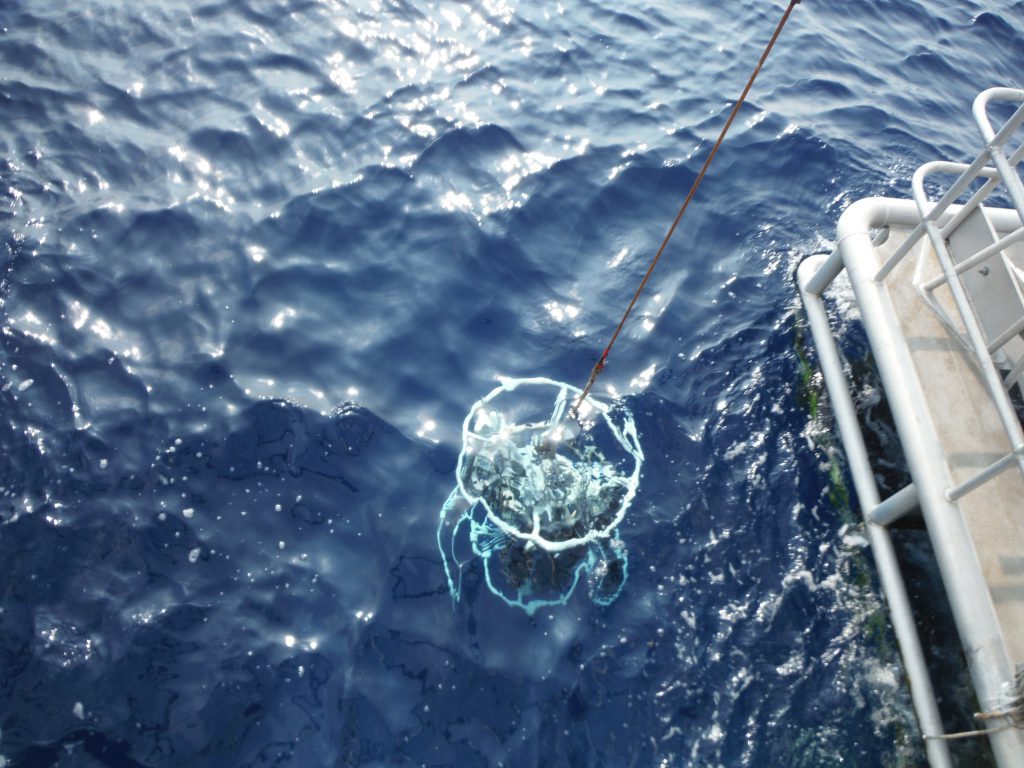
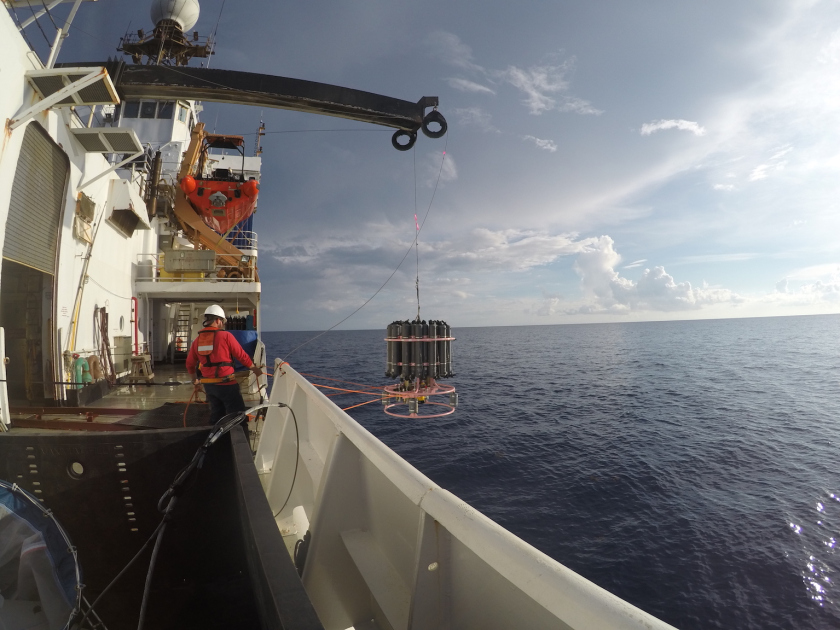
There are hundreds if not thousands of eyes on our changing ocean at any moment: Buoys, gliders, saildrones and ships measure carbonate chemistry and new ocean observing technologies are continually being created to monitor ocean acidification. As science and technology progress it is important to ensure that the most up to date knowledge is applied to the task at hand. NOAA’s Ocean Acidification Program (OAP) is teaming up with the U.S. Integrated Ocean Observing System (IOOS®) to fund four projects aimed at improving the observing system design for characterizing ocean acidification. This work will evaluate the capability of existing observations to characterize the magnitude and extent of acidification and explore alternative regional ocean acidification observing approaches. Ultimately this work will minimize errors in measurements, better integrate existing observations, and minimize costs of monitoring ocean acidification.
Learn more about this exciting work here!

Optimizing Acidification Observations In A Changing Ocean Read More »

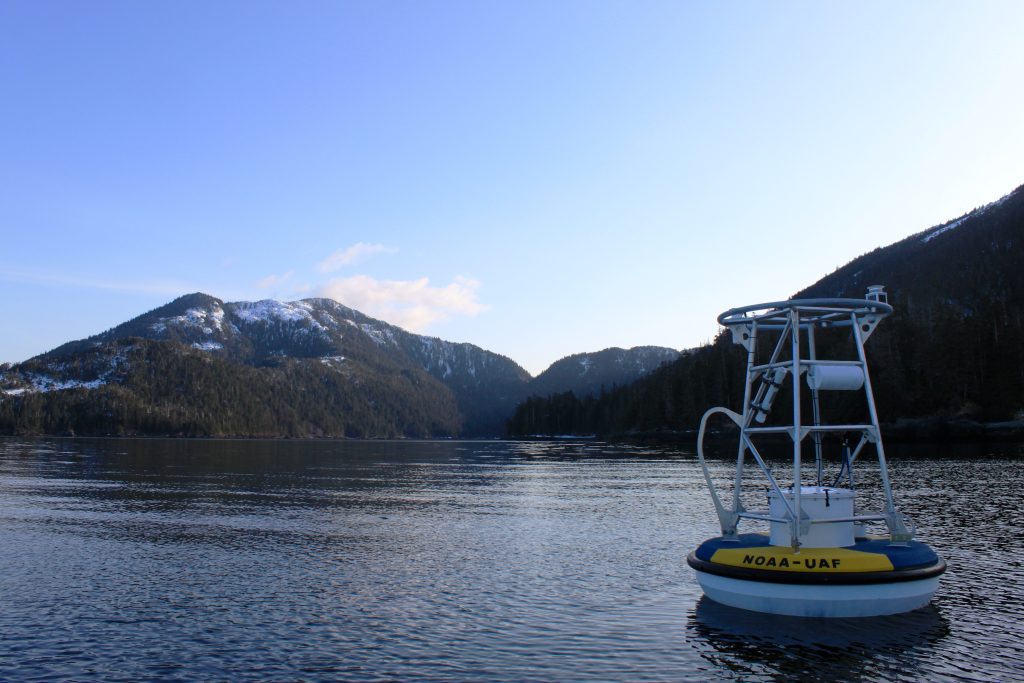
GAKOA Buoy

Collaborating with community science groups for coastal acidification monitoring

In this webinar, Beth Turner of NOAA National Ocean Service, National Centers for Coastal Ocean Science, shares priorities and capacities of citizen science groups for acidification measurements in the Northeast US, reactions to the provided training, lessons gained and how we might engage in future coordinated monitoring efforts.

Collaborating with community science groups for coastal acidification monitoring Read More »

New NOAA, partner buoy in American Samoa opens window into a changing ocean

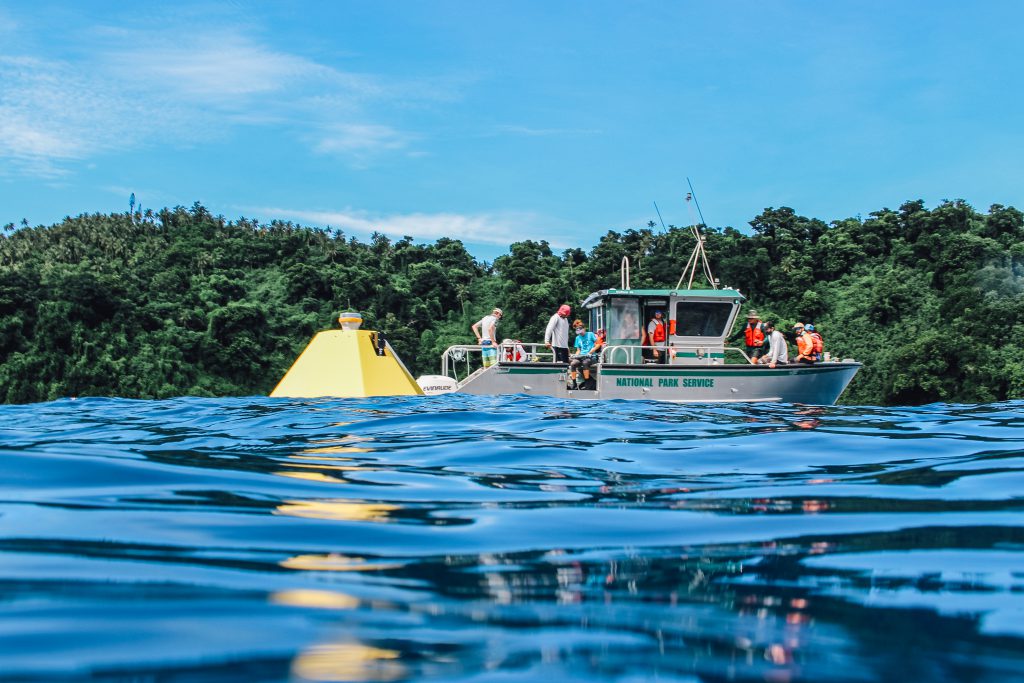
NOAA and partners have launched a new buoy in Fagatele Bay within NOAA’s National Marine Sanctuary of American Samoa to measure the amount of carbon dioxide in the waters around a vibrant tropical coral reef ecosystem.
“This new monitoring effort in a remote area of the Pacific Ocean will not only advance our understanding of changing ocean chemistry in this valuable and vibrant coral ecosystem but will also help us communicate these changes to diverse stakeholders in the Pacific Islands and across the United States,” said Derek Manzello, coral ecologist with NOAA’s Atlantic Oceanographic and Meteorological Laboratory.

New NOAA, partner buoy in American Samoa opens window into a changing ocean Read More »

Federal Funding Opportunity: Regional Ocean Acidification Observing Optimization Study

The NOAA/OAR/Ocean Acidification Program (OAP) is soliciting proposals for studies investigating ocean acidification monitoring strategies that would offer an observing system design that best characterizes and tracks ocean acidification within U.S. Large Marine Ecosystems (LMEs) optimized towards characterizing the conditions most relevant to ecologically and economically important marine species.
Letters of intent due February 5th, 2019 (EXTENDED Deadline)
More info here:  https://www.grants.gov/web/grants/search-grants.html?keywords=11.017


Federal Funding Opportunity: Regional Ocean Acidification Observing Optimization Study Read More »

How sensitive are systems in the Chesapeake Bay to acidification and nutrient pollution?

The wild oyster industry has suffered repeated collapses in the Chesapeake Bay due to overharvesting, disease, and declining environmental conditions. How future conditions will affect the Eastern oyster remain uncertain, not only because these conditions such as increased freshwater are difficult to predict , but also because the interactions between stressors such as ocean acidification, temperature, nutrient runoff and sea level rise could lead to unexpected chemical, biological, and economic change. The changes in stressors and their impacts do not always proceed in a straight line.The potential responses of various life stages of the Eastern oyster to stressors like acidification and eutrophication has received little attention. This project will study the impact of different stressors to Chesapeake Bay, a large estuarine system, and the Eastern oyster. The study will bring together different models to understand the relationship between biogeochemical cycling of carbon, oxygen, and nutrients, oyster growth and survival, and oyster economic profitability in the Chesapeake Bay ecosystem. The project will provide insights into future conditions and habitats where aquaculture and wild oyster populations may be most vulnerable to the climate and ocean changes.

How sensitive are systems in the Chesapeake Bay to acidification and nutrient pollution? Read More »

Ocean and Coastal Acidification Thresholds from Long Island Sound to the Nova Scotian Shelf

How will nearshore and coastal ecosystems respond to ocean and coastal acidification in the Northeast? How will these changes affect human communities? An absence of actionable information and understanding of the dynamic nature of coastal acidification is a major challenge to Northeast seafood industry, resource managers, and coastal policymakers. This project will expand the existing Northeast Coastal Ocean Forecast System to develop actionable guidance for coastal water quality and marine resource managers through workshops and direct engagement. Workshops and focus groups will be held to determine information needs, decision scenarios, modeling priorities, and options for delivering actionable information for three specific users: (1) water quality managers and monitoring systems, (2) oyster growers, and (3) the wild harvest shellfishing industry. The research will focus on advancing ocean acidification detection and warning systems that take into account other environmental stressors in Northeast coastal waters.

Ocean and Coastal Acidification Thresholds from Long Island Sound to the Nova Scotian Shelf Read More »

NOAA RESTORE Funding Competition on Long Term Trends

The priority for this competition is identifying, tracking, understanding, and/or predicting trends and variability in the Gulf of Mexico’s living coastal and marine resources and the processes driving them.
Applicants must propose work that addresses this priority in one or more of these areas of emphasis: 1) exploring trends in multiple species, 2) investigating the link between weather and/or climate and trends, and 3) examining the relationship between trends and economic activity.
To receive funding, applicants will need to directly address the needs of resource managers and have a clear plan for how their research findings or products will be used by resource managers. Applicants are encouraged to include resource managers on their project teams.
This competition is the Science Program’s first dedicated to supporting integrated, long-term projects. Pre-proposals, which are required, are due by July 30, 2018and the deadline for submitting a full application is October 29, 2018. Please see the full announcement for complete instructions on how to submit a pre-proposal and full application. 

NOAA RESTORE Funding Competition on Long Term Trends Read More »

OAP Helps Build Ocean Acidification Capacity for Pacific Island Nations

NOAA scientists and OAP staff will be educating and training scientists on ocean acidification monitoring in Suva, Fiji on 30 Oct – 10 Nov 2017. Scientists from several Pacific Island nations will convene at the University of the South Pacific to learn best methods for measuring ocean chemistry from experts in the Global Ocean Acidification Observing Network. 

OAP Helps Build Ocean Acidification Capacity for Pacific Island Nations Read More »

OAP Serves on Panel to Strengthen Collaborative Ocean Acidification Research in the Arctic

Max Kaplan, a Knauss Fellow with the OAP,  will be serving on a panel at the Arctic Science Networking Workshop hosted by the Arctic Council to be held in Helsinki, Finland. He will be speaking to opportunities to strengthen international collaborations in ocean acidification monitoring in the Arctic, a region that is particularly vulnerable to changes in ocean chemistry

OAP Serves on Panel to Strengthen Collaborative Ocean Acidification Research in the Arctic Read More »

Forecasts for Alaska Fisheries

Crab pots and fishing nets in Alaska's Dutch Harbor
Image credit: Michael Theberge

Understanding seasonal changes in ocean acidification in Alaskan waters and the potential impacts to the multi-billion-dollar fishery sector is a main priority. Through work funded by NOAA’s Ocean Acidification Program, the Pacific Marine Environmental Laboratory developed a model capable of depicting past ocean chemistry conditions for the Bering Sea and is now testing the ability of this model to forecast future conditions. This model is being used to develop an ocean acidification indicator provided to fisheries managers in the annual NOAA Eastern Bering Sea Ecosystem Status Report.

ADAPTING TO OCEAN ACIDIFICATION

The NOAA Ocean Acidification Program (OAP) works to prepare society to adapt to the consequences of ocean acidification and conserve marine ecosystems as acidification occurs. Learn more about the human connections and adaptation strategies from these efforts.

Adaptation approaches fostered by the OAP include:

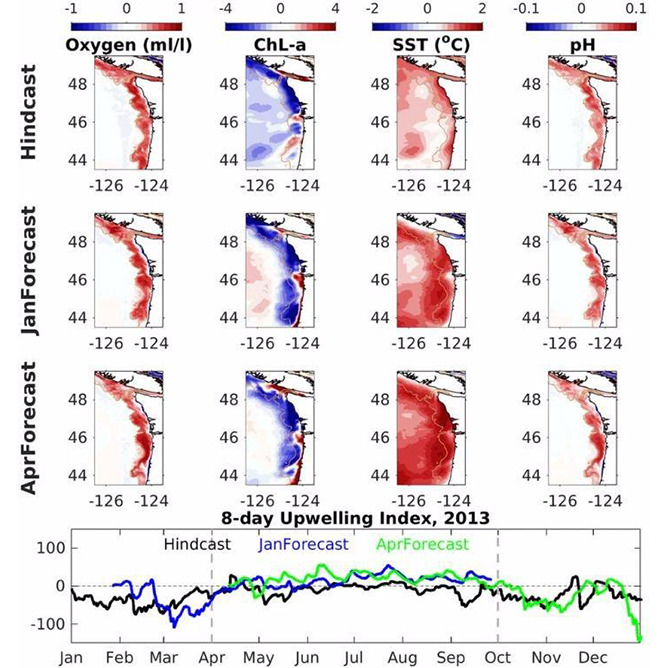
FORECASTING

Using models and research to understand the sensitivity of organisms and ecosystems to ocean acidification to make predictions about the future, allowing communities and industries to prepare

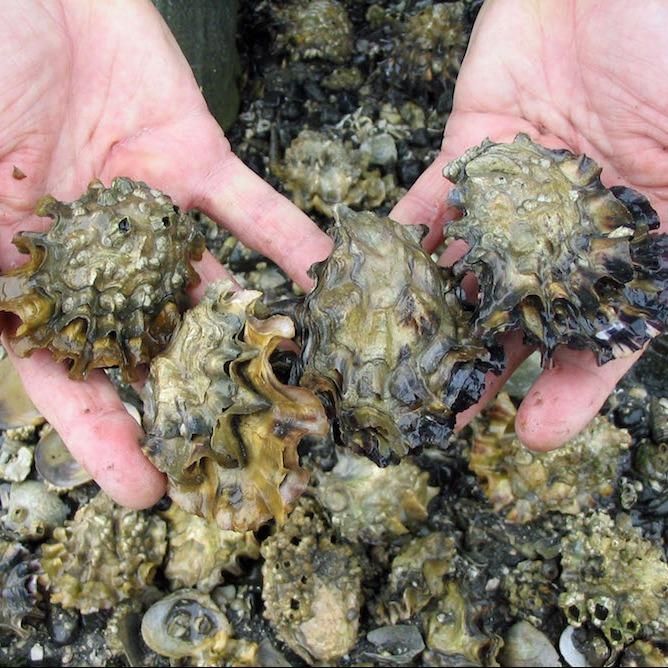
Closeup of oysters cupped in someone's hands

MANAGEMENT

Using these models and predictions as tools to facilitate management strategies that will protect marine resources and communities from future changes

TECHNOLOGY DEVELOPMENT

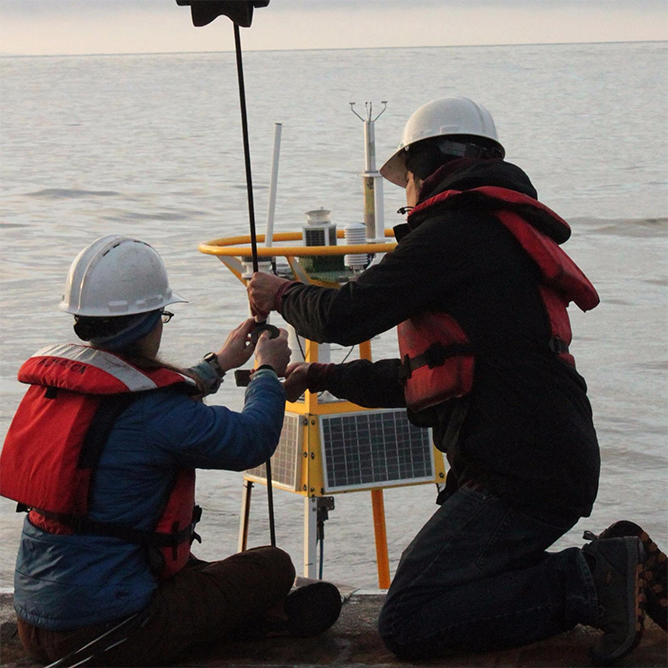
Developing innovative tools to help monitor ocean acidification and mitigate changing ocean chemistry locally

REDUCING OUR CARBON FOOTPRINT

On the Road

Drive fuel-efficient vehicles or choose public transportation. Choose your bike or walk! Don't sit idle for more than 30 seconds. Keep your tires properly inflated.

With your Food Choices

Eat local- this helps cut down on production and transport! Reduce your meat and dairy. Compost to avoid food waste ending up in the landfill

With your Food Choices

Make energy-efficient choices for your appliances and lighting. Heat and cool efficiently! Change your air filters and program your thermostat, seal and insulate your home, and support clean energy sources

By Reducing Coastal Acidification

Reduce your use of fertilizers, Improve sewage treatment and run off, and Protect and restore coastal habitats

TAKE ACTION WITH YOUR COMMUNITY

You've taken the first step to learn more about ocean acidification - why not spread this knowledge to your community?

Every community has their unique culture, economy and ecology and what’s at stake from ocean acidification may be different depending on where you live.  As a community member, you can take a larger role in educating the public about ocean acidification. Creating awareness is the first step to taking action.  As communities gain traction, neighboring regions that share marine resources can build larger coalitions to address ocean acidification.  Here are some ideas to get started:

  1. Work with informal educators, such as aquarium outreach programs and local non-profits, to teach the public about ocean acidification. Visit our Education & Outreach page to find the newest tools!
  2. Participate in habitat restoration efforts to restore habitats that help mitigate the effects of coastal acidification
  3. Facilitate conversations with local businesses that might be affected by ocean acidification, building a plan for the future.
  4. Partner with local community efforts to mitigate the driver behind ocean acidification  – excess CO2 – such as community supported agriculture, bike & car shares and other public transportation options.
  5. Contact your regional Coastal Acidification Network (CAN) to learn how OA is affecting your region and more ideas about how you can get involved in your community
       More for Taking Community Action