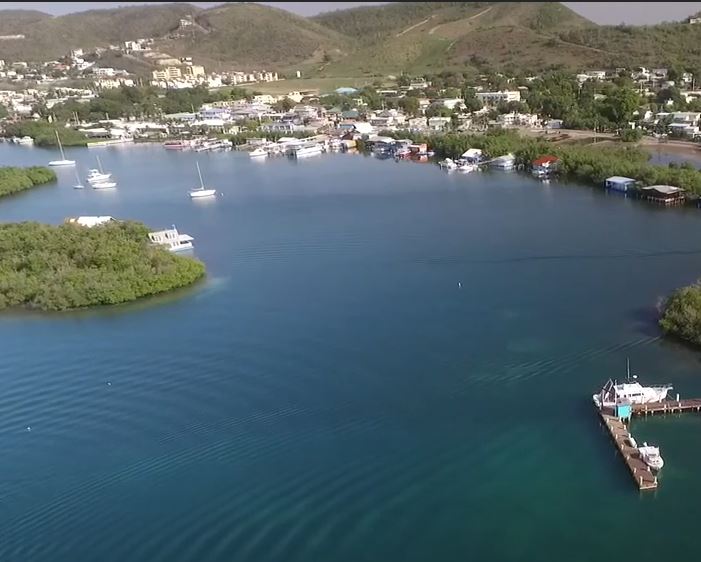
Vulnerability to Ocean Acidification in Puerto Rico
This project provides the first preliminary OA vulnerability assessment for Puerto Rico.
Vulnerability to Ocean Acidification in Puerto Rico Read More »

This project provides the first preliminary OA vulnerability assessment for Puerto Rico.
Vulnerability to Ocean Acidification in Puerto Rico Read More »
Accurate assessment of anthropogenic carbon dioxide (CO2) emissions and their redistribution among the atmosphere, ocean, and terrestrial biosphere in a changing climate is critical to better understand the global carbon cycle, support the development of climate policies, and project future climate change. Here we describe and synthesize data sets and methodologies to quantify the five
Global Carbon Budget 2022 Read More »

Learn about how a combination of scientific monitoring, innovative technology, and community-led action is helping to build resilience in marine ecosystems and protect vital fisheries.
Building resilience to ocean acidification from sea to shell Read More »
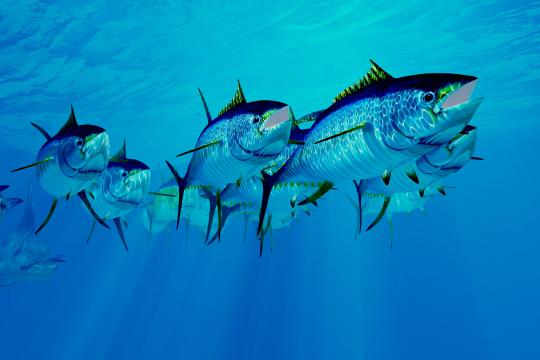
Forecast effects of ocean acidification on Alaska crab and groundfish fisheries
Why we care
Ocean acidification (OA) is a multi-disciplinary problem that requires a combination of methods from oceanography, fisheries science, and social science to assess socio-economic impacts. While OA impact models developed to date capture some sources of measurement uncertainty, more remains and limits the utility of models in decision making and research planning. A method is needed to quantify uncertainty relating the experimental design of OA experiments to the impacts of ocean pH and temperature on key model outcomes.
What we are doing
The bioeconomic model developed under this project will be applied to forecasting long-term effects of OA on Eastern Bering Sea (EBS) crab, northern rock sole and Alaska cod. Also addressed in this project is the quantification of uncertainty for inclusion in the fisheries management process. The overall goal for this project is to forecast long-term effects of OA on abundance yields and fishery income. To this end, we will apply results from experiments and ocean monitoring/modeling to infer population-scale changes in juvenile growth and survival from OA.
Benefits of our work
Through development of bioeconomic models for the EBS and Gulf of Alaska, we will be able to forecast the long-term effects of OA on northern rock sole and Alaska cod – a fish providing the vast majority of U.S. cod. These models make it possible to estimate abundance yields, fishery income, and economic impacts of OA on a national scale. The results from the project can assist with the development of experiments that will be most informative for bioeconomic modeling.
Modeling the impact of OA on Alaskan fisheries for decision makers Read More »
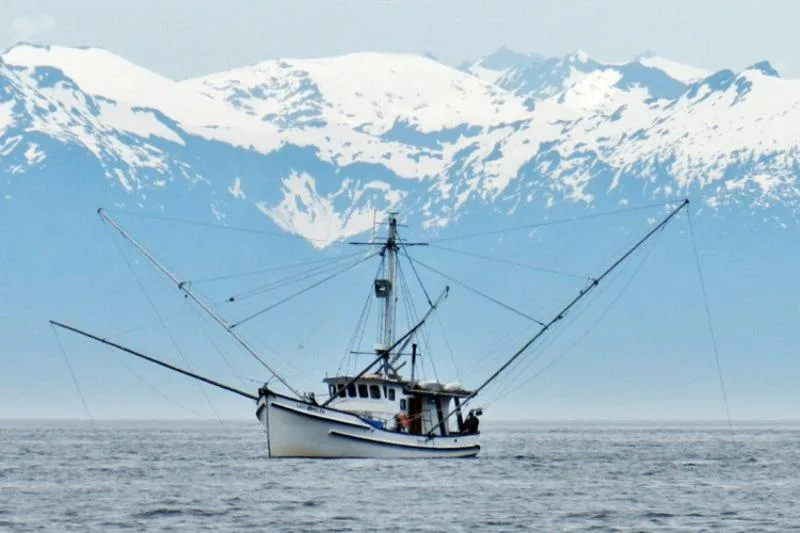
This project addresses vulnerability and resilience to ocean acidification by Indigenous communities and industries in south-central and southeast Alaska.
Assessing risks of ocean acidification in south-central and southeast Alaska Read More »
Accurate assessment of anthropogenic carbon dioxide (CO2) emissions and their redistribution among the atmosphere, ocean, and terrestrial biosphere in a changing climate is critical to better understand the global carbon cycle, support the development of climate policies, and project future climate change. Here we describe and synthesize datasets and methodology to quantify the five major
Global Carbon Budget 2021 Read More »
Dr. Jan Newton is a biological oceanographer whose lifelong love of the Washington coast propelled her to an internationally recognized career. She shares her story, the importance of working together to address big challenges, and her vision for the future.
Changing Waters with Jan Newton Read More »
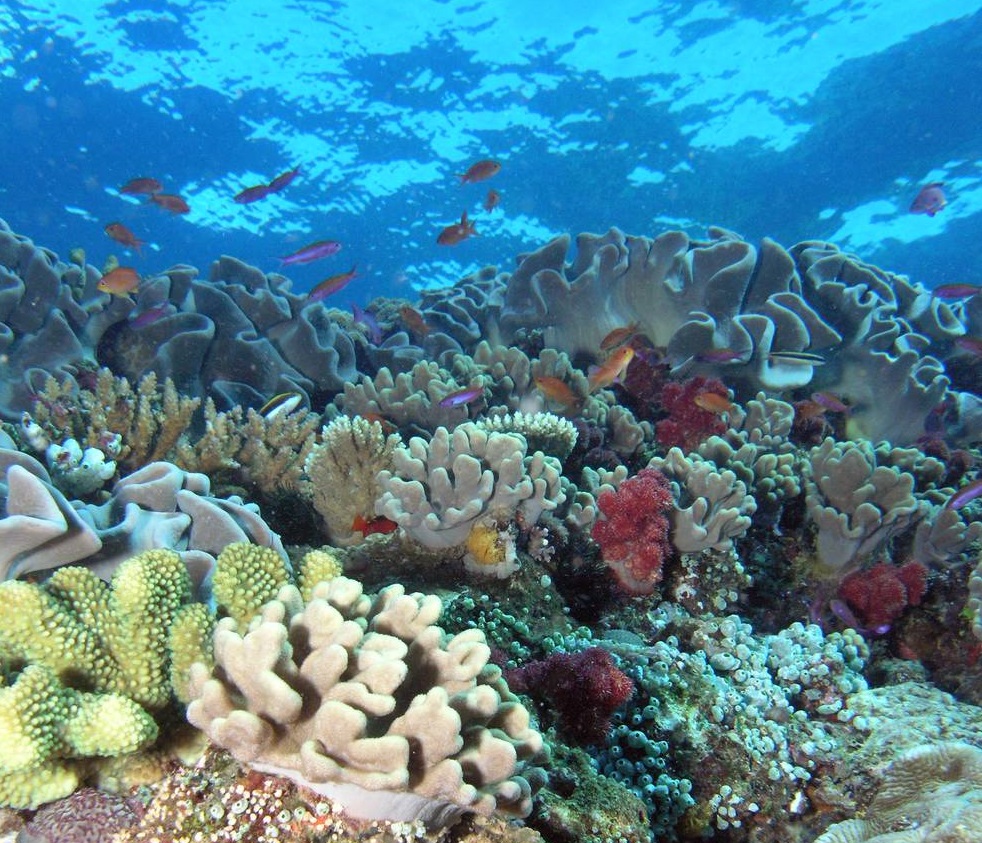
This project takes a modeling approach to assess risk vulnerability in the Insular Pacific-Hawaiian Large Marine Ecosystem.
Regional Vulnerability Assessment in the Hawaiian Archipelago Read More »

The Southeast Ocean and Coastal Acidification Network (SOCAN) was formed in 2015 to coordinate scientists, resource managers, and industry leaders in monitoring and researching ocean acidification across the Southeast’s diverse ecosystems. The network actively engages stakeholders to economic impacts of ocean acidification.
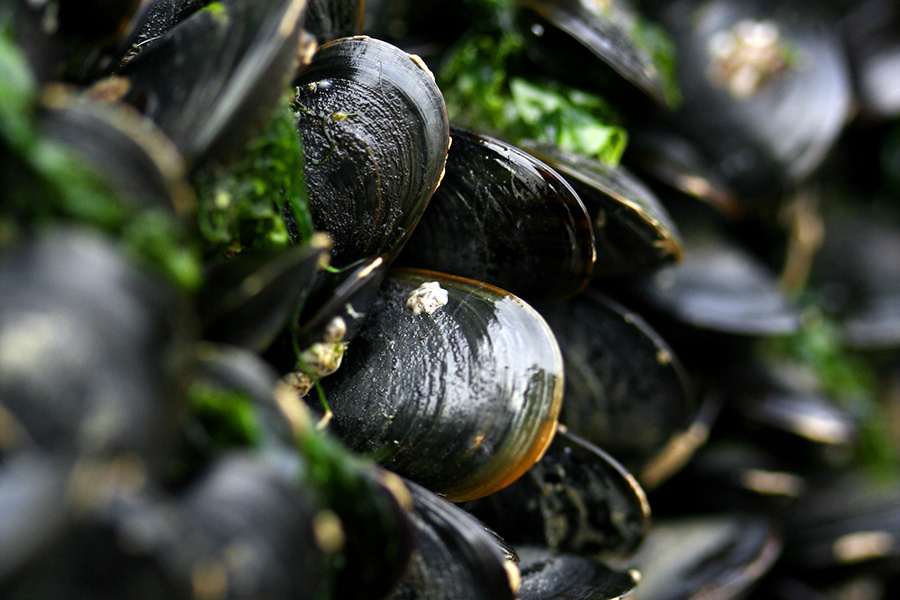
This project evaluates the effectiveness of diet enhancement and water buffering for blue mussel aquaculture in Maine.
Improving resilience of blue mussels to ocean acidification and warming Read More »

Understanding seasonal changes in ocean acidification in Alaskan waters and the potential impacts to the multi-billion-dollar fishery sector is a main priority. Through work funded by NOAA’s Ocean Acidification Program, the Pacific Marine Environmental Laboratory developed a model capable of depicting past ocean chemistry conditions for the Bering Sea and is now testing the ability of this model to forecast future conditions. This model is being used to develop an ocean acidification indicator provided to fisheries managers in the annual NOAA Eastern Bering Sea Ecosystem Status Report.
The NOAA Ocean Acidification Program (OAP) works to prepare society to adapt to the consequences of ocean acidification and conserve marine ecosystems as acidification occurs. Learn more about the human connections and adaptation strategies from these efforts.
Adaptation approaches fostered by the OAP include:
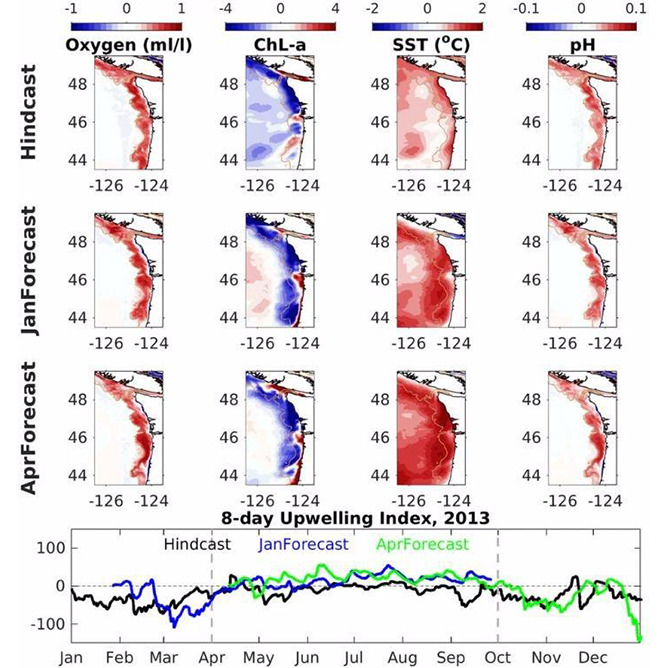
Using models and research to understand the sensitivity of organisms and ecosystems to ocean acidification to make predictions about the future, allowing communities and industries to prepare
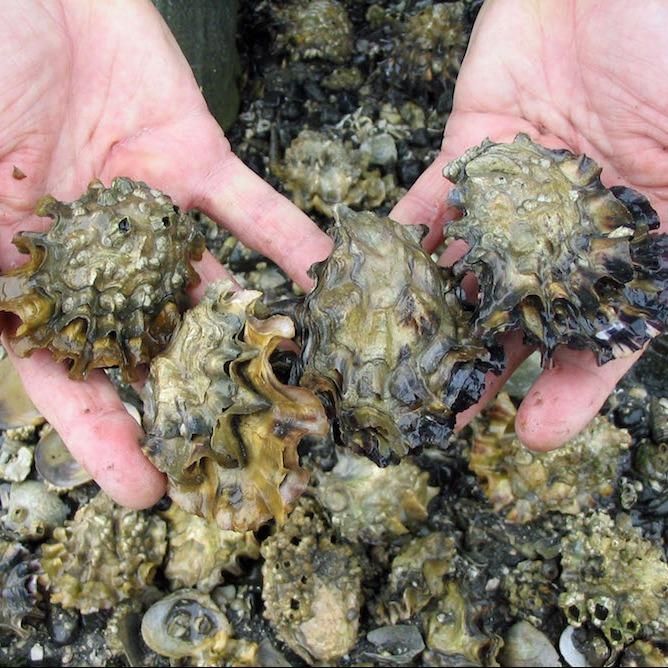
Using these models and predictions as tools to facilitate management strategies that will protect marine resources and communities from future changes
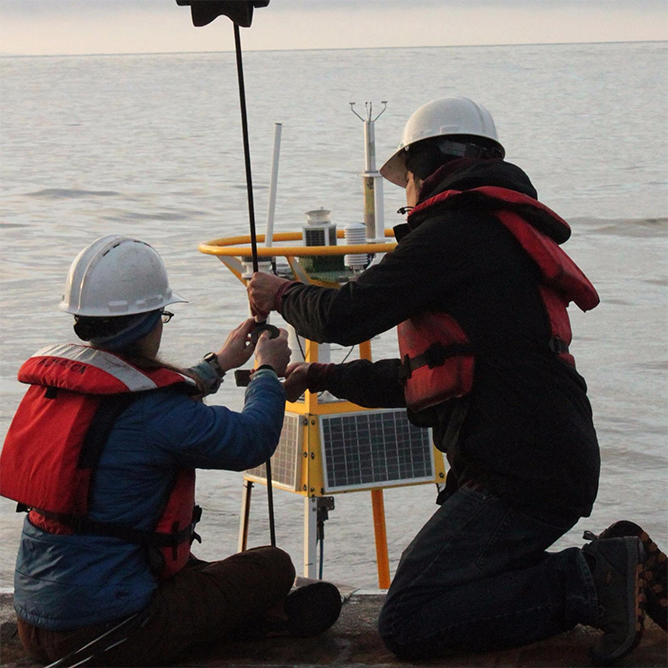
Developing innovative tools to help monitor ocean acidification and mitigate changing ocean chemistry locally
Drive fuel-efficient vehicles or choose public transportation. Choose your bike or walk! Don't sit idle for more than 30 seconds. Keep your tires properly inflated.
Eat local- this helps cut down on production and transport! Reduce your meat and dairy. Compost to avoid food waste ending up in the landfill
Make energy-efficient choices for your appliances and lighting. Heat and cool efficiently! Change your air filters and program your thermostat, seal and insulate your home, and support clean energy sources
Reduce your use of fertilizers, Improve sewage treatment and run off, and Protect and restore coastal habitats
You've taken the first step to learn more about ocean acidification - why not spread this knowledge to your community?
Every community has their unique culture, economy and ecology and what’s at stake from ocean acidification may be different depending on where you live. As a community member, you can take a larger role in educating the public about ocean acidification. Creating awareness is the first step to taking action. As communities gain traction, neighboring regions that share marine resources can build larger coalitions to address ocean acidification. Here are some ideas to get started: