

Federal Funding
MACAN funding for OA metrics project
The Mid-Atlantic Coastal Acidification Network (MACAN) is hiring a team or individual to develop a single OA vulnerability metric.
The Mid-Atlantic Coastal Acidification Network (MACAN) is hiring a team or individual to develop a single OA vulnerability metric.
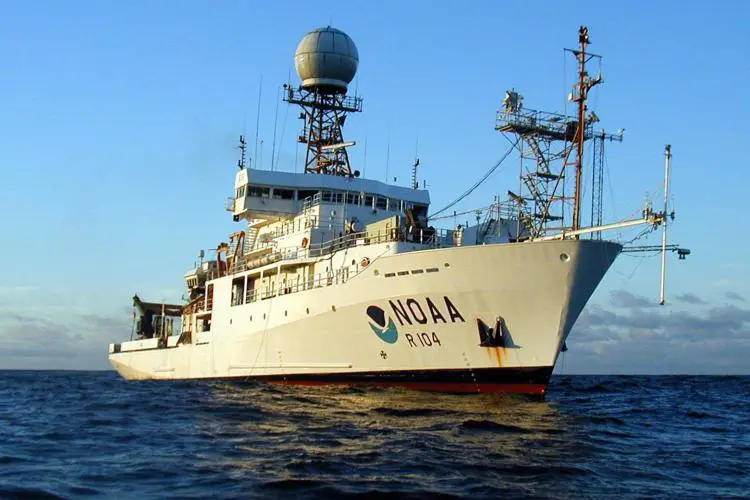
OAP announces two new projects for the 4th East Coast Ocean Acidification mission. This work will our observational and experimental capacity for regional research missions.
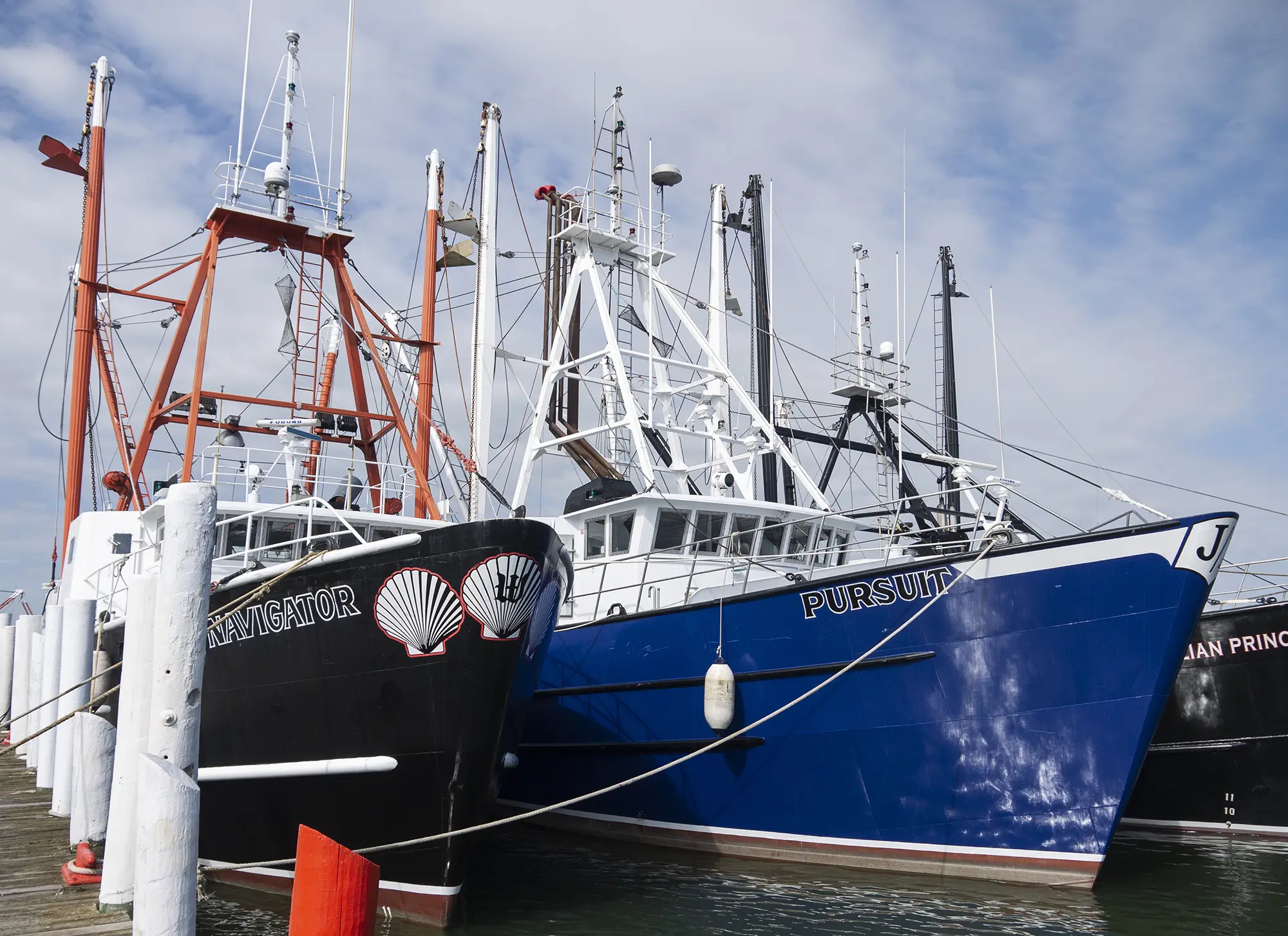
Atlantic sea scallop fishermen face challenges with changing ocean conditions. Together with researchers , they confront potential effects of ocean acidification to keep fishing.
The Mid-Atlantic Coastal Acidification Network announces a 2025 fellowship opportunity open to undergraduate or graduate students.
Wastewater alkalinity enhancement is a promising approach for ocean alkalinity enhancement due to its potential to deliver strong bases with minimum secondary precipitation and its potential use of the global network of wastewater treatment plants (WWTPs). WWTPs are also significant sources of CO2 due to organic matter oxidation, and integrating alkalinity addition into treatment processes may
Accurate assessment of anthropogenic carbon dioxide (CO2) emissions and their redistribution among the atmosphere, ocean, and terrestrial biosphere in a changing climate is critical to better understand the global carbon cycle, support the development of climate policies, and project future climate change. Here we describe and synthesize datasets and methodologies to quantify the five major
Human activities are causing more carbon dioxide (CO2) to be absorbed by the oceans from the atmosphere, leading to decreasing ocean pH levels (ocean acidification). Acidification slows down biotic calcification, the process by which many marine organisms build their shells and skeletons. Lowered biotic calcification is hypothesized to reduce the carbon moving from the ocean’s

Join MACAN and NOAA OAP for the biennial state-of-the-science meeting and technical assistance workshop July 15-17 in Edgewater, Maryland.
Ocean acidification due to uptake of atmospheric CO2 is a concern in the open ocean. In contrast, pH in coastal systems has shown both decreasing and increasing long-term trends. A number of global and regional processes drive these diverse trends, including changes in nutrient loading, human-accelerated chemical weathering in watersheds, changes in acid-rain and land-use, as
As a response to public demand for a well-documented, quality controlled, publically available, global surface ocean carbon dioxide (CO2) data set, the international marine carbon science community developed the Surface Ocean CO2 Atlas (SOCAT). The first SOCAT product is a collection of 6.3 million quality controlled surface CO2 data from the global oceans and coastal seas, spanning


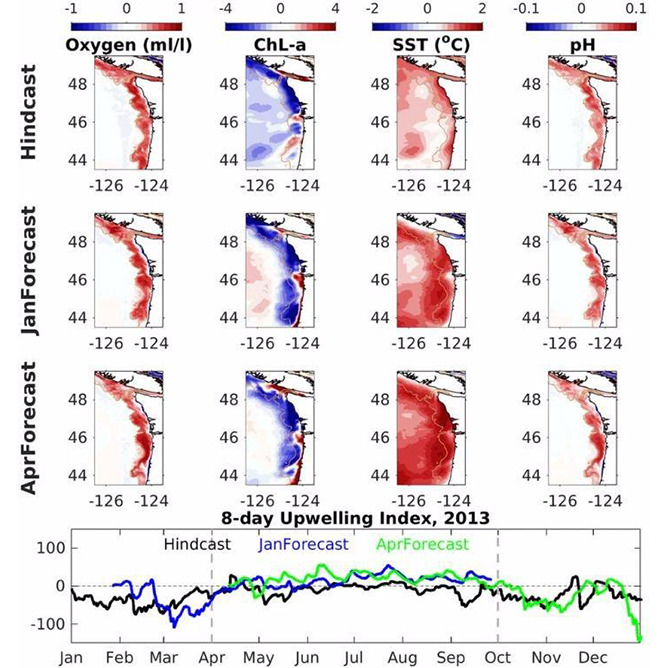
Using models and research to understand the sensitivity of organisms and ecosystems to ocean acidification to make predictions about the future, allowing communities and industries to prepare
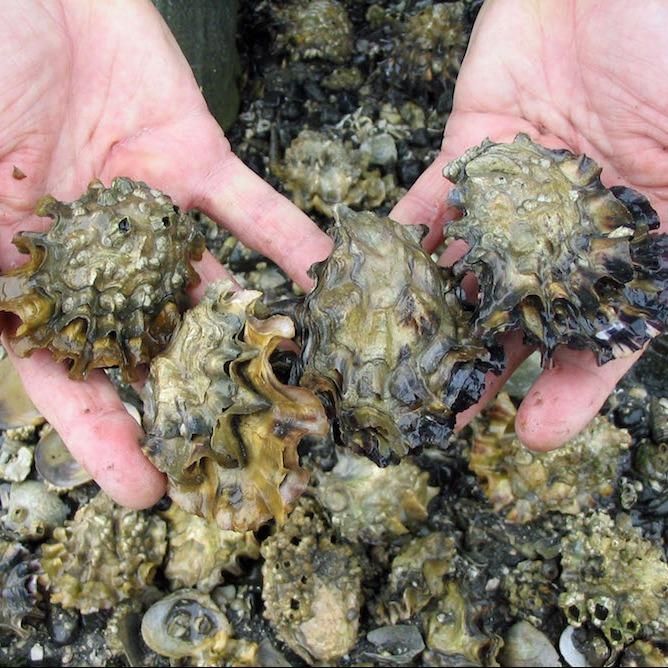
Using these models and predictions as tools to facilitate management strategies that will protect marine resources and communities from future changes
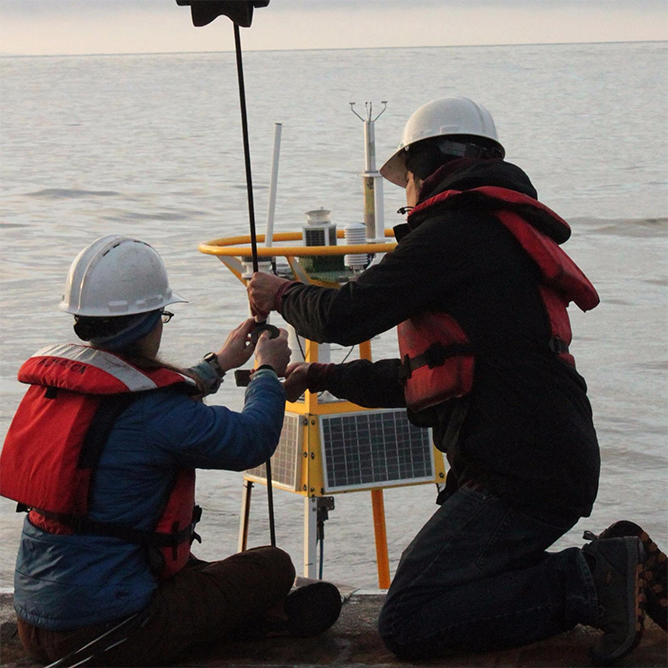
Developing innovative tools to help monitor ocean acidification and mitigate changing ocean chemistry locally