Monitoring & Modeling
Ocean Acidification Coastal Research: Uniting Investigations and Shipboard Experiments (OA CRUISE) Funding Opportunity
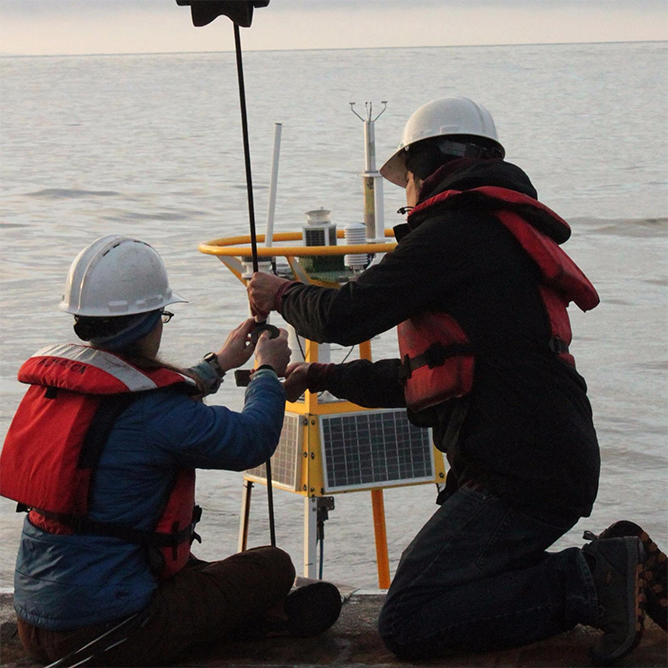
NOAA’s Ocean Acidification Program (OAP) is soliciting cruise project proposals to complement core observing activities on existing cruises as part of its upcoming coastal ocean acidification (OA) cruises targeting the US Coastal Large Marine Ecosystems.
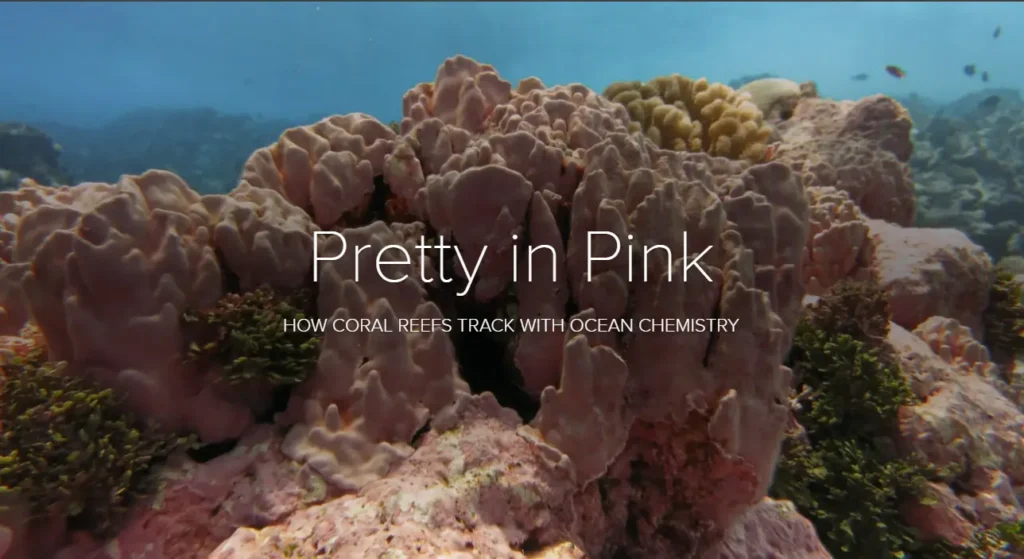
Pretty in Pink
Coral reefs in the Rose Atoll are doing well compared to other places in the Pacific Islands. Learn about how researchers find out what ocean conditions drive coral reef growth and the best ways to measure the effects of our changing ocean.
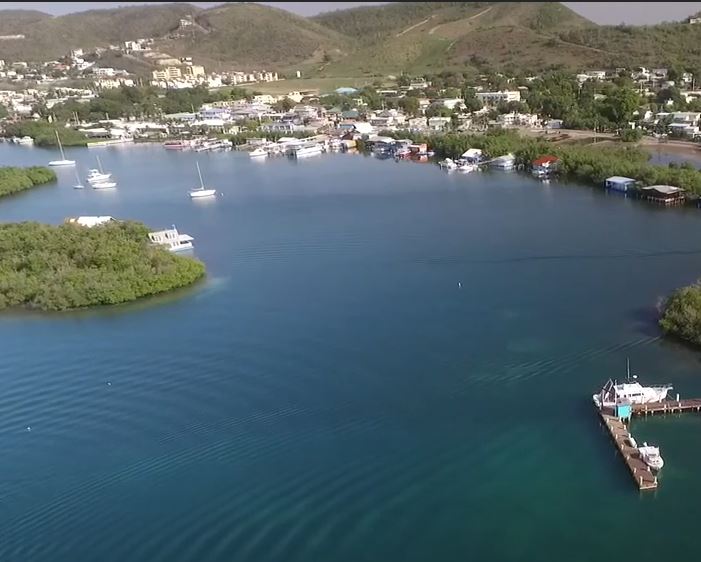
Vulnerability to Ocean Acidification in Puerto Rico
This project provides the first preliminary OA vulnerability assessment for Puerto Rico.
Vulnerability to Ocean Acidification in Puerto Rico Read More »
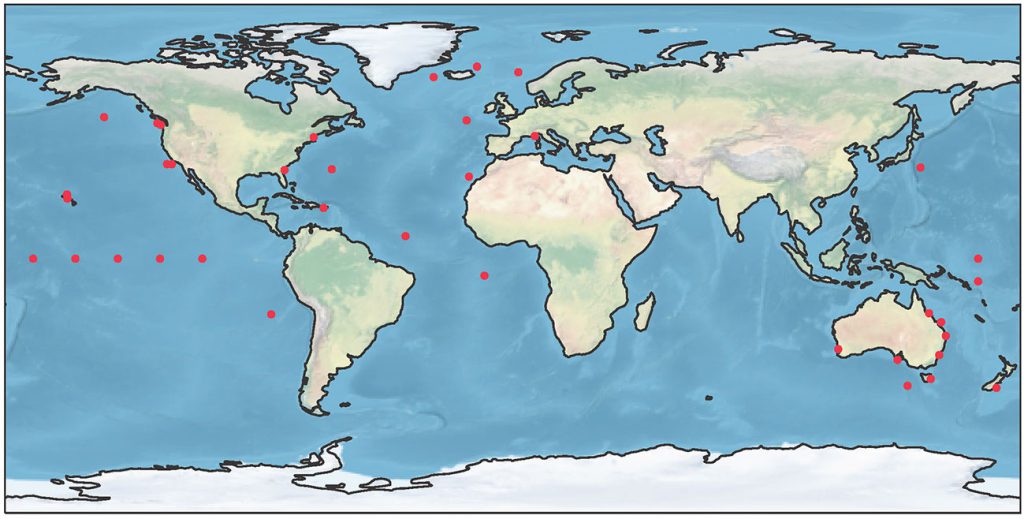
Advancing best practices for assessing trends in ocean acidification time series
Assessing the status of ocean acidification across ocean and coastal waters requires standardized procedures at all levels of data collection, dissemination, and analysis. Standardized procedures for assuring quality and accessibility of ocean carbonate chemistry data are largely established, but a common set of best practices for ocean acidification trend analysis is needed to enable global time series comparisons, establish accurate records of change, and communicate the current status of ocean acidification within and outside the scientific community. Here we expand upon several published trend analysis techniques and package them into a set of best practices for assessing trends of ocean acidification time series. These best practices are best suited for time series capable of characterizing seasonal variability, typically those with sub-seasonal (ideally monthly or more frequent) data collection. Given ocean carbonate chemistry time series tend to be sparse and discontinuous, additional research is necessary to further advance these best practices to better address uncharacterized variability that can result from data discontinuities. This package of best practices and the associated open-source software for computing and reporting trends is aimed at helping expand the community of practice in ocean acidification trend analysis. A broad community of practice testing these and new techniques across different data sets will result in improvements and expansion of these best practices in the future.
Advancing best practices for assessing trends in ocean acidification time series Read More »
Decoupling of Estuarine Hypoxia and Acidification as Revealed by Historical Water Quality Data
Hypoxia and acidification are commonly coupled in eutrophic aquatic environments because aerobic respiration is usually dominant in bottom waters and can lower dissolved oxygen (DO) and pH simultaneously. However, the degree of coupling, which can be weakened by non-aerobic respiration and CaCO3 cycling, has not been adequately assessed. In this study, we applied a box model
Quantification of the Dominant Drivers of Acidification in the Coastal Mid-Atlantic Bight
In shallow coastal shelves like the Mid-Atlantic Bight (MAB), ocean acidification due to increased atmospheric carbon dioxide (CO2) is compounded by highly variable coastal processes including riverine freshwater inputs, nutrient loading, biogeochemical influence, coastal currents and water mass mixing, and seasonal transitions in physical parameters. Past deconstructions of carbonate system drivers in the MAB have
NOAA Invests in Harmful Algal Bloom and Ocean Acidification Research
NOAA invests $18.9M in a coordinated effort to maximize advances in harmful algal bloom (HAB) mitigation, monitoring and forecasting. Four of new research awards support ($1.5M) funded in partnership by NOAA’s National Centers for Coastal Ocean Science (NCCOS) and NOAA’s Ocean Acidification program will determine interactive effects of HABs and ocean acidification. Other projects supported through this effort will establish a U.S. Harmful Algal Bloom Control Incubator, enhance detection of HAB toxins and improve forecasts and investigate the socioeconomic impacts of HABs. Read more
Project Highlights
University of Michigan, University of Minnesota Duluth, Oberlin College, University of Kentucky, and University of Toledo received $281,975 to improve our understanding of the synergistic impacts of acidification, temperature, total alkalinity, and nutrients on toxic cyanobacteria harmful algal blooms in the Great Lakes.
Woods Hole Oceanographic Institute, Bowdoin College, and NERACOOS received $499,999 to address gaps in understanding relationships between harmful algal bloom behavior and ocean acidification in the northeast Atlantic, especially where it is associated with coastal eutrophication and hypoxia.
Stony Brook University, Adelphi University, and St. Joseph’s College received $364,265 to establish a comprehensive understanding of how three of the most prominent HABs on the US east coast respond to ocean acidification, and how their co-occurrence will economically impact fisheries and shellfisheries.
Northwest Indian College, San Francisco State University, and University of Washington received $355,281 to understand the current relationships between ocean acidification and harmful algal bloom interactions in the Salish Sea, and to quantify how ocean acidification influences growth and toxicity.
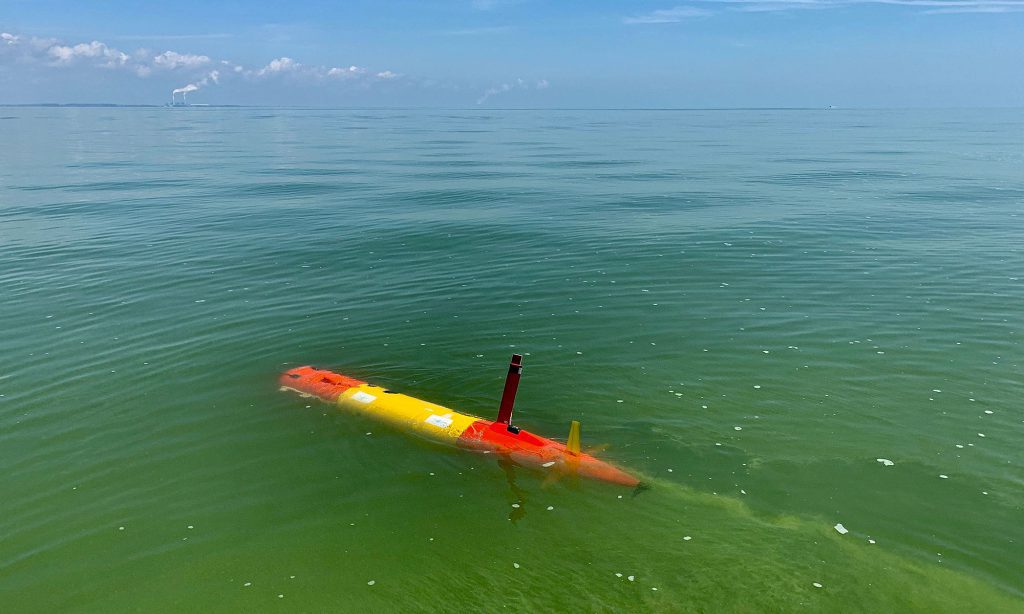
 Autonomous glider collects information to track harmful algal blooms and water quality. Credit: Ben Yair Raanan, MBARI
NOAA Invests in Harmful Algal Bloom and Ocean Acidification Research Read More »
Ocean acidification in the Gulf of Mexico: Drivers, impacts, and unknowns
We synthesize the current peer-reviewed literature on Gulf of Mexico (GOM) acidification across the ocean-estuarine continuum and identify critical knowledge, research, and monitoring gaps that limit our current understanding of environmental, ecological, and socioeconomic impacts from acidification.• The GOM remains a relatively understudied region with respect to ocean acidification (OA), particularly with respect to regionally important organism and ecosystem responses.• Within the GOM,
Ocean acidification in the Gulf of Mexico: Drivers, impacts, and unknowns Read More »