

OA News
Choose Your Own (O)Adventure education tool released
Choose Your Own (O)Adventure is an interactive tool for curated ocean and coastal acidification learning resources.
Choose Your Own (O)Adventure is an interactive tool for curated ocean and coastal acidification learning resources.

A research-based online curriculum where students learn about acidification and its solutions and collecting and analyzing data.

Check out all of the news and visual webstories produced by the NOAA Ocean Acidification Program.
Dive into this explainer for the National Marine Ecosystem Status indicator for ocean acidification. NOAA’s National Marine Ecosystem Status website provides snapshots of major marine and Great Lakes ecosystem indicators, capturing both the status and trends of eight U.S. ecosystem regions and overall national status. The ocean acidification indicator dashboard uses long-term ocean observing data to provide snapshots on
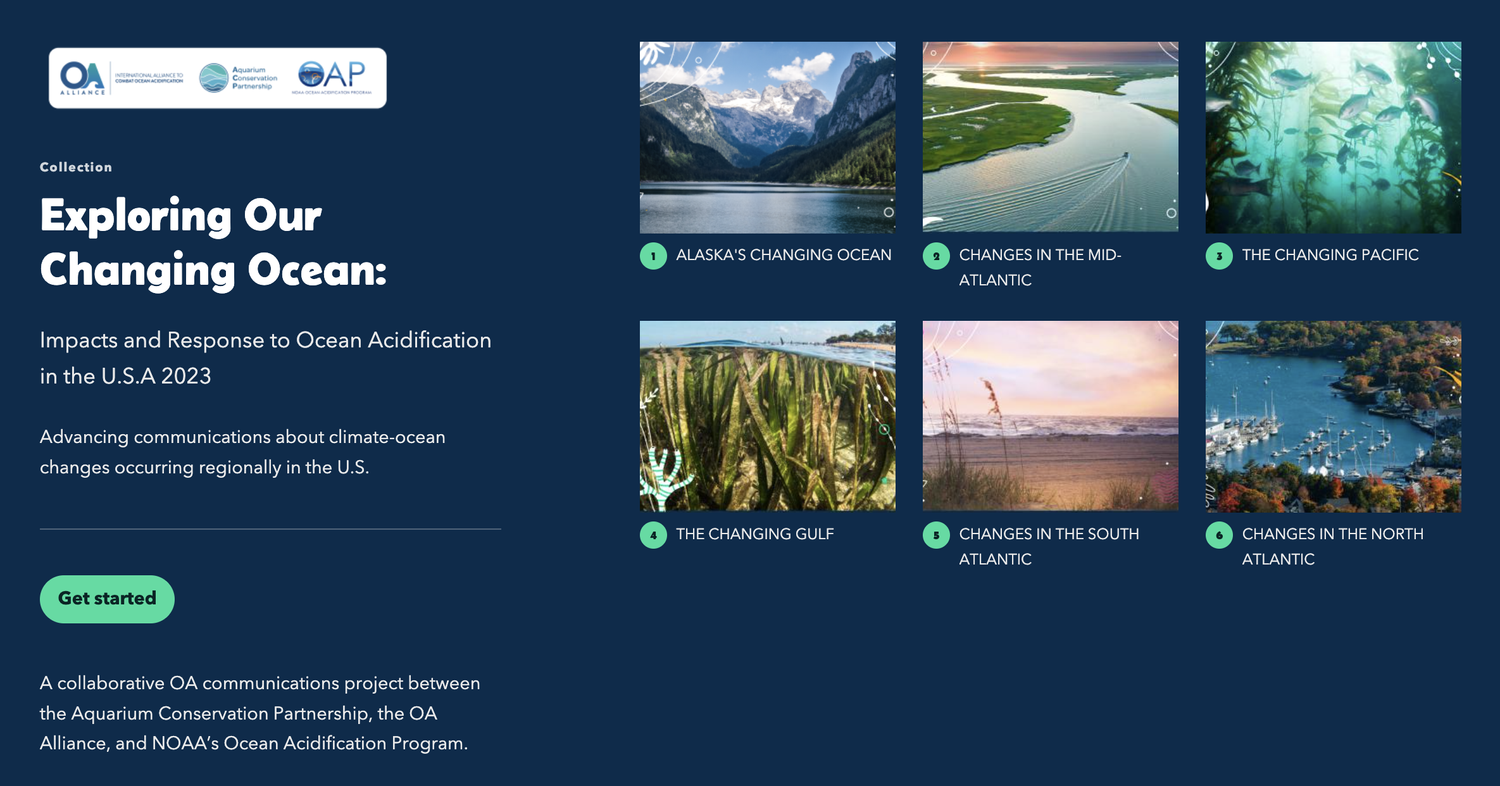
Access six interactive StoryMaps showcasing relevant ocean acidification trends, science activities, stakeholder engagements and policy responses taking place across regions where NOAA supports U.S. Coastal Acidification Networks (“CANs”). The six regional NOAA CANs include activities in Alaska, California Current, North Atlantic, Mid-Atlantic, South Atlantic and the Gulf.

Ocean acidification is a complex issue that is being studied and addressed from several viewpoints, in various locations, and for different issues. Within the sanctuary system, sanctuary sites across the country and United States territories are studying how this change in ocean chemistry will and already is affecting their sites. Some sites are being hit

This 2-minute video shows how ocean acidification impacts corals in biological, chemical, and physical ways.

This visual webstory dives into ocean acidification and why some coral reefs do better than others. Learn how researchers discovered what drives coral reef health.


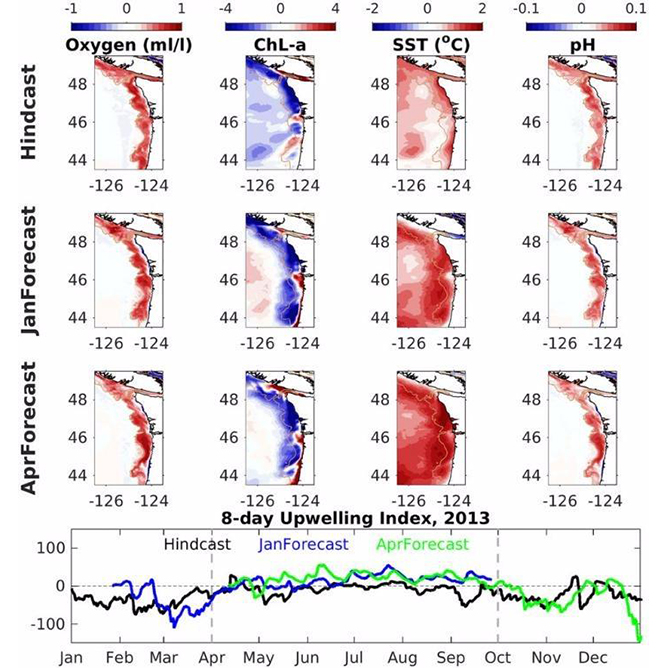
Using models and research to understand the sensitivity of organisms and ecosystems to ocean acidification to make predictions about the future, allowing communities and industries to prepare
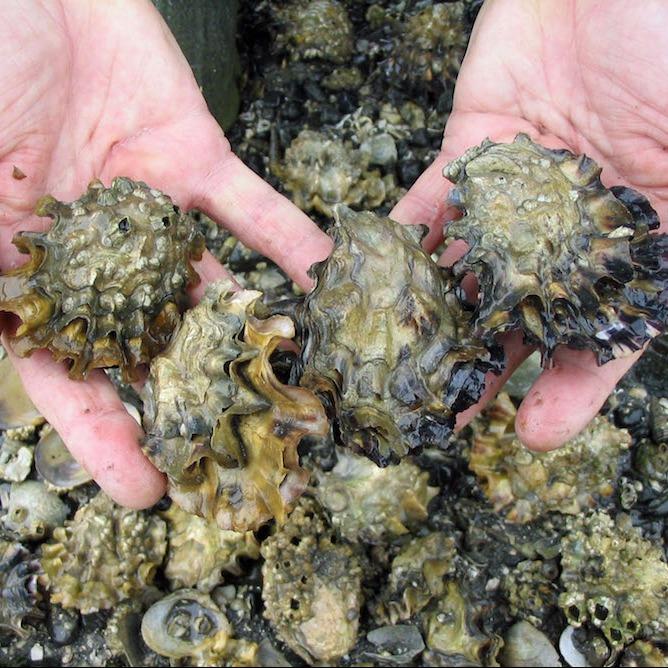
Using these models and predictions as tools to facilitate management strategies that will protect marine resources and communities from future changes
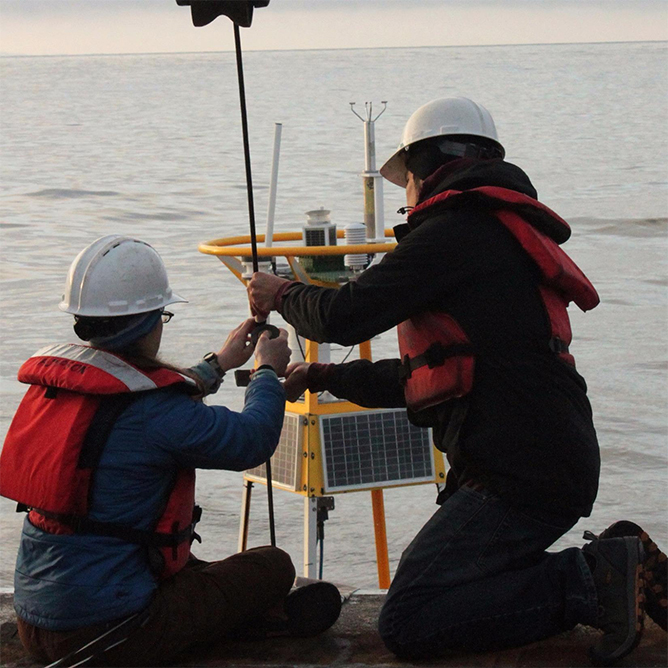
Developing innovative tools to help monitor ocean acidification and mitigate changing ocean chemistry locally
